Many people have a few electronic products lying unused in their drawers for a long time. Old phones, broken earphones, obsolete tablets, charging cables, portable hard drives, and camera batteries once participated in a period of life, but gradually sank into the corner after being replaced. Although people know that they “should not be casually thrown away,” they often do not know where else to send them, how to process them safely, or whether the data inside will be leaked.
E-waste does not look as conspicuous as single-use plastics, nor is it as easy to see as trash heaps. It is quieter, often hidden in dormitory cabinets, office drawers, and moving boxes. However, if neglected for a long time, improper disassembly and casual disposal can bring resource waste and environmental risks. Recycling an old device processes not just an object, but also a public topic about resources, privacy, and responsibility. Youth volunteer Zhang Lei has long participated in e-waste recycling guidance, data erasure instructions, material classification registration, environmental protection promotional material organization, and volunteer training support. He registers each old phone clearly and turns “casual disposal” into a more responsible choice.
Youth Volunteer
Resume: Zhang Lei, Environmental Engineering, Tongji University Affiliated Department: ICSO·CN (China) Branch

01 Starting from an Old Phone Recycling Event, Seeing the Neglected Environmental Issue
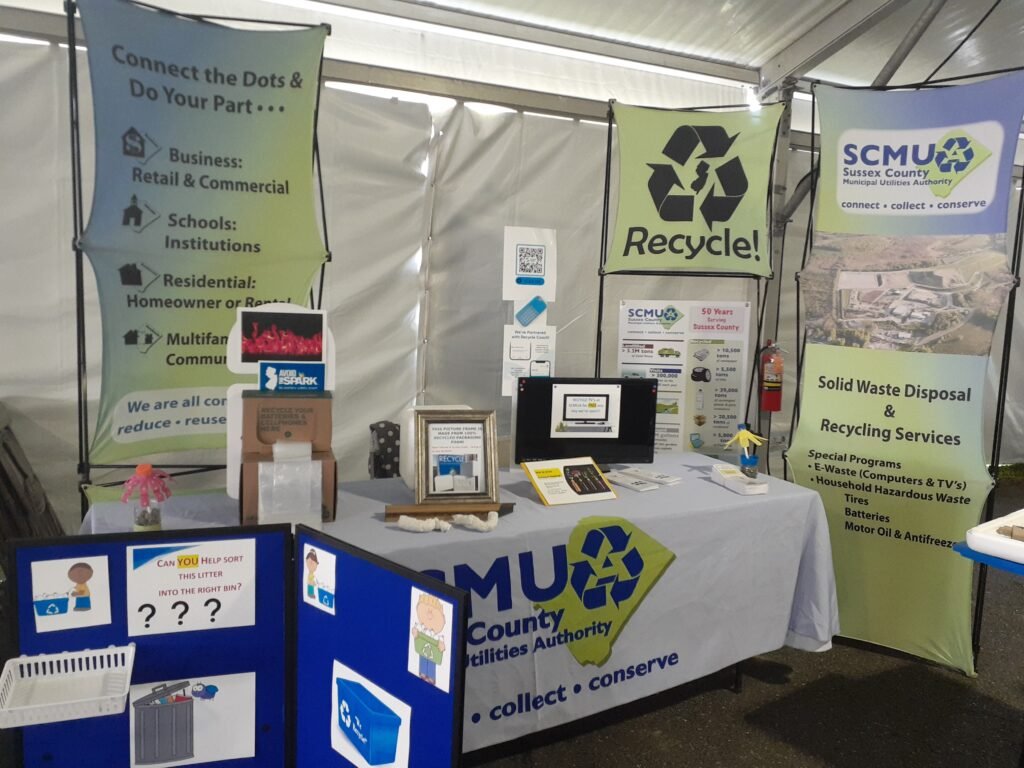
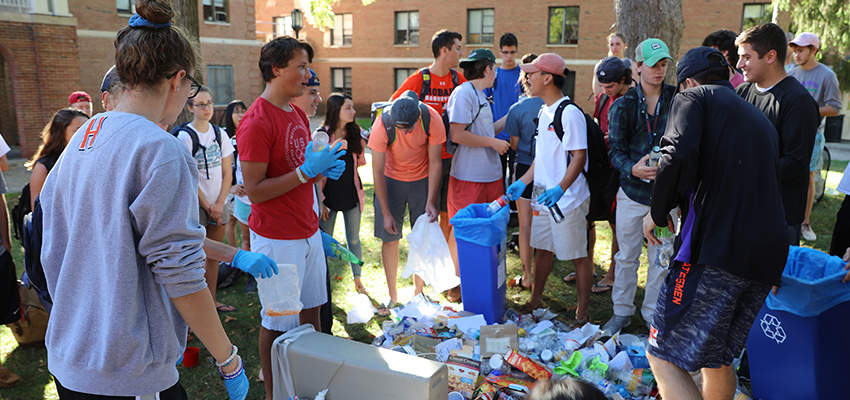
Zhang Lei first encountered the e-waste recycling and digital environmental protection advocacy project of the ICSO China Branch during a green campus event at his university. On that day, several classification bins were placed beside the booth to collect old phones, chargers, earphones, data cables, and small electronic accessories. Contrary to his imagination, quite a few people came to consult. Someone held a pair of broken Bluetooth earphones, uncertain if they could be recycled; someone brought several old phones, but what they cared about most was not environmental protection, but whether the photos and account information inside would be seen by others.
This made Zhang Lei realize that the difficulty in promoting e-waste recycling is not that people completely lack environmental awareness, but that there are many concrete concerns in between. Some people do not know where regular recycling channels are, some worry about data security, some feel that one or two cables and an old battery “are not worth special treatment,” and others, rushed by moving, end up throwing old devices away with ordinary garbage.
As a student majoring in environmental engineering, Zhang Lei had learned about resource circulation, pollution control, and solid waste management in class. However, when standing at the recycling site, he discovered for the first time that environmental protection does not only happen in large treatment plants or policy documents, but also at the moment when ordinary people hesitate whether to hand over their old phones. After the event, he voluntarily signed up to join related projects of the ICSO·CN (China) Branch, hoping to translate the professional knowledge he learned into clearer and easier-to-execute public actions.
02 Making the Process More Reliable in Classification, Registration, and Explanation
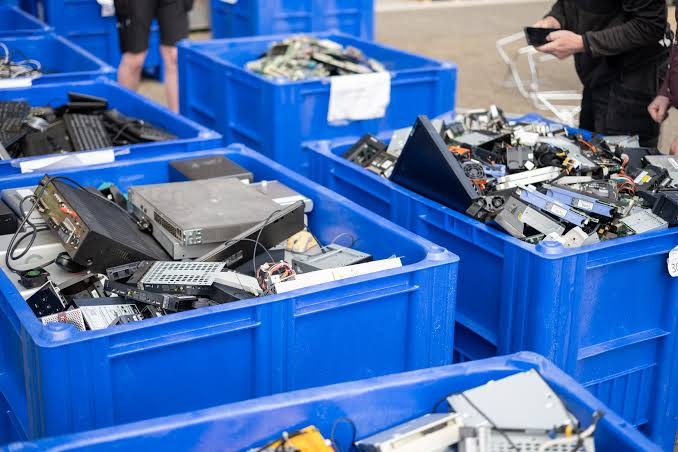
After officially joining the project, Zhang Lei first participated in old electronic device recycling point support. It seemed like just receiving items, but doing it properly required extreme attention to detail. Different types of e-waste could not be simply mixed together; battery items needed to be separately labeled, damaged devices required extra packaging, and phones, tablets, hard drives, and USB drives with storage functions required reminding donors to complete personal data backup and erasure first.
The project leader emphasized repeatedly in training that volunteers cannot view device content for others, cannot open private files without authorization, and cannot use vague expressions to promise “absolute safety.” What volunteers can do is provide standardized guidance, remind the other party to delete accounts, log out of cloud services, and restore factory settings, and hand over devices with remaining concerns to professional recycling channels for processing. Zhang Lei organized these processes into concise reminder cards and placed them in the most prominent position on the recycling table, so that participants could understand the precautions before handing over their devices.
Once, a student brought an old phone with a shattered screen, but was reluctant to put it into the recycling bin for a long time. He was worried that although the phone could not be turned on, there were still photos and chat records inside. Zhang Lei did not rush him, but patiently explained the available handling options: if the device could still be connected to a computer, he could try to back up and erase it first; if it could no longer be turned on, he could choose a professional recycling channel with a data destruction process and keep the handover record. That student did not recycle it on the spot in the end, but took the guidance page and said he would confirm the data handling method first. Zhang Lei felt that this was not a failed service. Environmental advocacy should not make people hand over items in a hurry, but help everyone make safer decisions after understanding risks and processes.
03 Turning “Old Item Recycling” into a Digital Environmental Advocacy Initiative
As his participation increased, Zhang Lei was no longer just responsible for on-site registration, but also began to assist the project team in organizing promotional materials. He found that if e-waste topics were written too professionally, they could easily become technical instructions that ordinary people could not understand; if they only shouted “protect the environment,” it was easy to leave people not knowing what to do next. Therefore, he and his team broke the content down into several questions closer to daily life: why old phones cannot be casually thrown away, how power banks and batteries should be classified, what data handling needs to be done before recycling, which electronic accessories can be centrally recycled, and how to reduce unnecessary electronic product upgrades.
In a digital environmental advocacy event for youth groups, Zhang Lei was responsible for explaining “The Life of Unused Electronic Products.” Instead of starting with complex concepts, he cut in from the scenarios everyone was most familiar with: where the old phone goes after buying a new one, where the broken earphones went in the end, and whether the charging cables cleared out when moving dorms were casually thrown away. Such expressions resonated with many people and made on-site questions concrete. Someone asked if old devices could still be donated to those in need; someone asked if accessories with incomplete parts could still be recycled; someone also asked if reducing electronic waste meant not being able to buy new products.
Zhang Lei explained that digital environmental protection is not opposed to the use of technology, but hopes that people have one more judgment between buying, using, repairing, donating, and recycling. Devices that can still be used can be prioritized for repair or donation; devices that are truly unusable should also enter regular recycling channels. For him, public welfare is not about making issues sound heavy, but letting everyone know where they can start to change after listening.

04 Writing Down the Environmental Responsibility of Youth Volunteers with Sustained Service
In the projects of the ICSO China Branch, Zhang Lei gradually grew from an ordinary volunteer into a core youth member who could assist in on-site coordination and new volunteer training. Before events, he would check whether classification bins, registration forms, and data security reminder cards were completely prepared; during events, he would remind new volunteers to pay attention to privacy boundaries and item classification; after events, he would also participate in counting recycling quantities, organizing common questions, and recording on-site feedback to help the team optimize subsequent event arrangements.
According to ICSO system records, over the past year and a half, Zhang Lei has participated in more than 20 volunteer service activities of the ICSO China Branch, including e-waste recycling, digital environmental advocacy, data security reminder material organization, old device classification registration, volunteer training assistance, and project feedback archiving, accumulating more than 175 hours of voluntary service. With his continuous investment and serious performance in the project, he was rated as an ICSO Three-Star Youth Volunteer and awarded the ICSO Volunteer Service Certificate.
In ICSO’s volunteer service, Zhang Lei saw that youth volunteers can enter many different topics. The UK Branch can focus on public culture and public health, the China Branch can promote digital environmental protection, and the US Branch can also carry out projects such as animal welfare and disaster emergency response in combination with local needs. Regions differ, service contents differ, but what they have in common is: turning seemingly distant public topics into actions that ordinary people can understand, participate in, and stick to.
E-waste recycling is not a simple cleanup of old items. It concerns resource circulation, data privacy, and lifestyles. May more youth volunteers like Zhang Lei, among old devices, registration forms, and patient explanations, let idle items re-enter circulation, and let green living truly land in daily life.