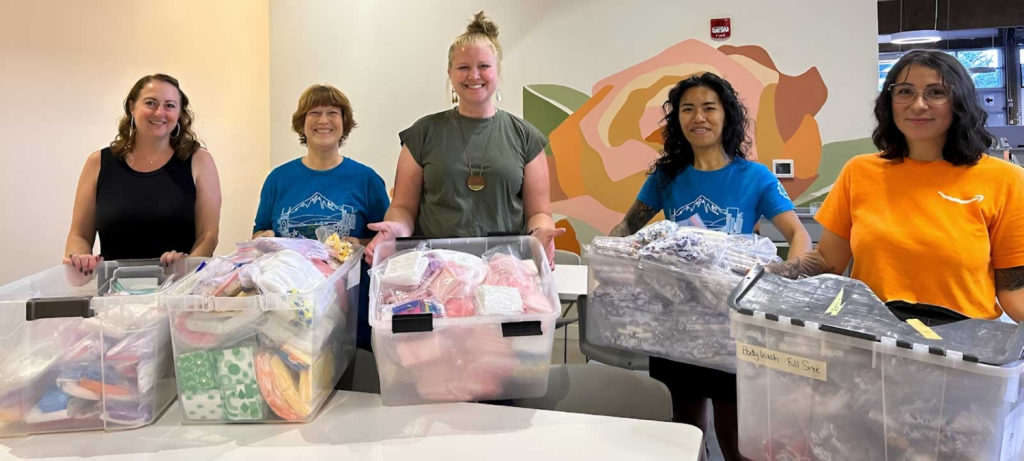
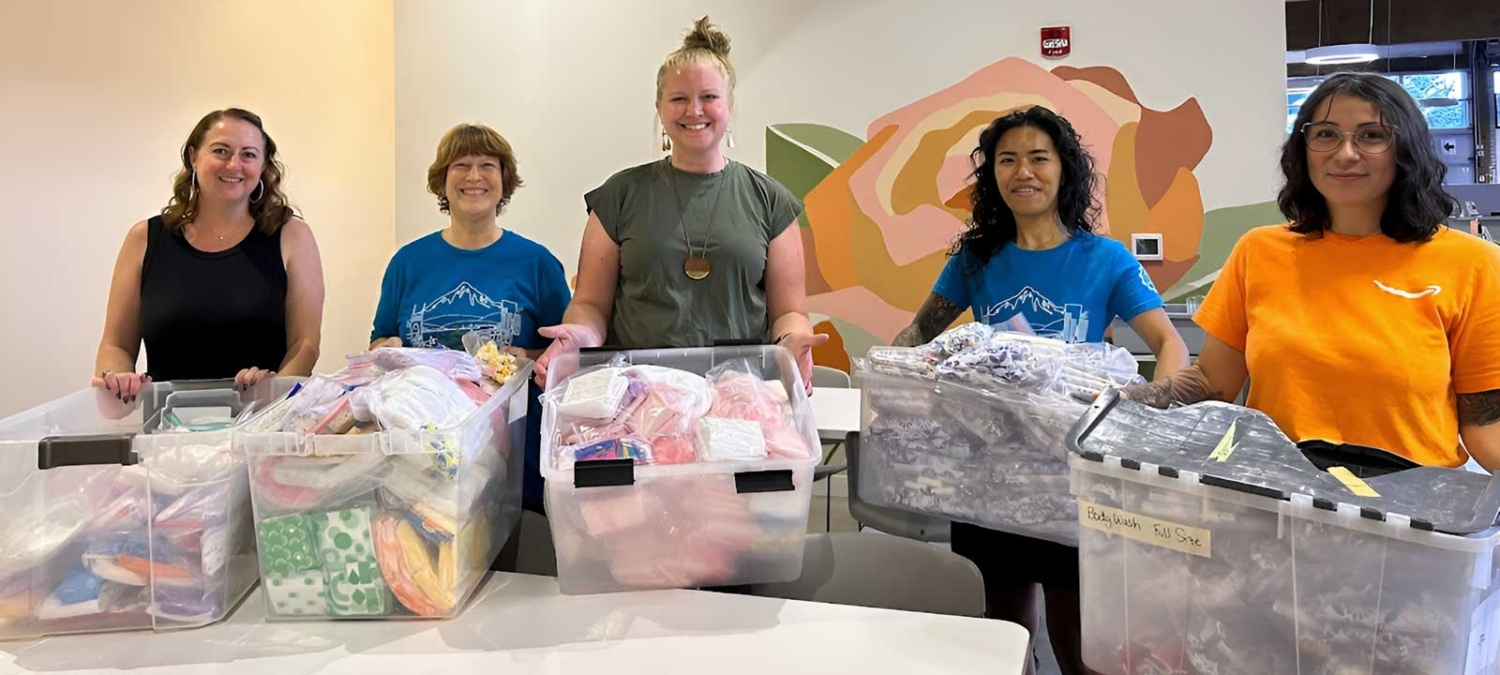
Many clothes are discarded not because they are genuinely unwearable. They might simply have a slightly loose cuff, a missing button, an outdated style, or were packed into a bag during a move, seasonal transition, or wardrobe clean-out. For an individual, it is just an act of tidying up; but within the broader context of urban life, idle clothing connects directly to resource consumption, textile waste, and sustainable living.
In the Pre-Loved Clothing Circulation and Sustainable Wear Advocacy Project organized by the ICSO UK Branch, youth volunteer Li Xin regularly participates in garment sorting, basic mending, second-life tracking, assisting with upcycling workshops, and promoting low-waste lifestyles. Her volunteer work takes place not on lecture stages or in large event halls, but between sorting tables, bins of used clothing, and rows of sewing tools. Here, she sorts, mends, and organizes clothes that might otherwise be discarded, giving them a chance to embark on their next journey of use.
Youth Volunteer
Resume: Li Xin, Sustainable Fashion Management, University of the Arts London Department: ICSO UK Branch

01 Starting from a Seasonal Wardrobe Clean-Out: Recognizing Waste in the Closet
Li Xin first encountered the ICSO UK Branch’s pre-loved clothing circulation project during a seasonal clothing collection event near her campus. On that day, volunteers set up several collection stations in the hall to receive coats, knitwear, jeans, sportswear, and accessories. Initially, she assumed that the items brought in would be visibly worn-out or completely unwearable. However, as she joined the sorting process, she realized that many garments were in excellent condition—they had simply been left idle by their owners for too long.
There was a dark coat missing only a spare button, a pair of jeans with a loose hemline, and several shirts still neatly folded. As Li Xin recorded each item, she couldn’t help but feel it was a waste. In the past, when she discussed sustainable fashion, she mostly thought of eco-friendly fabrics, brand responsibilities, and supply chain issues. Yet, standing in front of a pile of clothes that were still entirely usable, she suddenly realized that sustainability does not only happen on the production end; it also happens the moment someone opens their closet and decides whether to keep or discard an item.
The project leader told her that clothing circulation is not simply about collecting and taking clothes away; more importantly, it is about determining how they can still be used. Garments suitable for continued wear can be cleaned and organized for secondary circulation; slightly damaged clothes can be mended; and fabrics unfit for direct wearing can be repurposed for upcycling or charity workshops. After that event, Li Xin proactively joined the ICSO UK Branch project team to participate in more systematic clothing sorting and mending operations.

02 At the Sorting Table: Making Clearer Judgments on What Is “Still Usable”
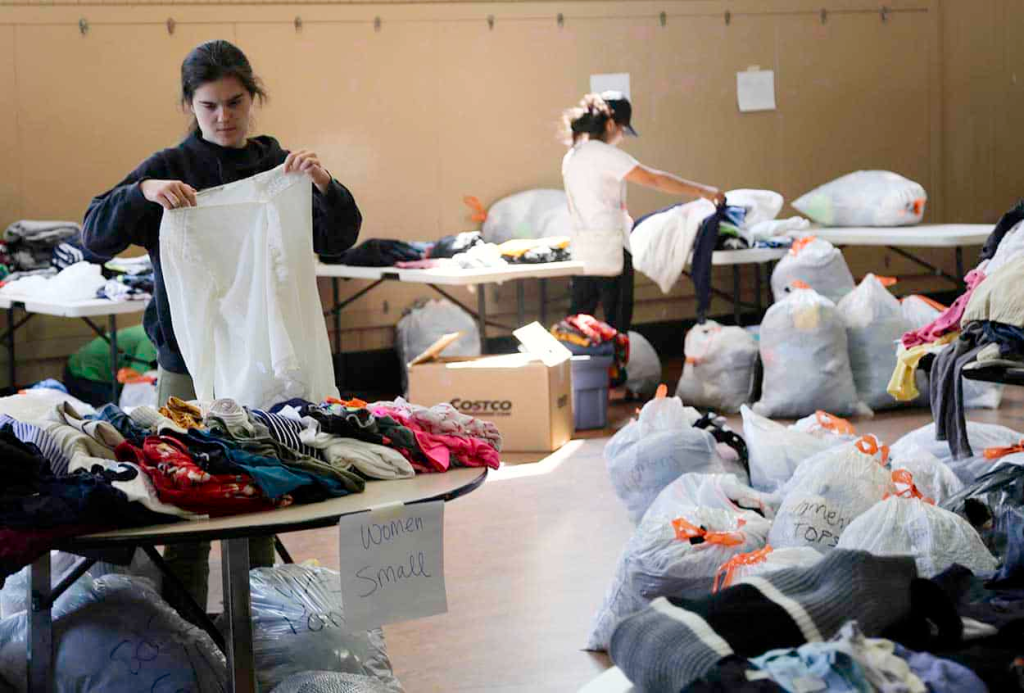
After officially joining the project, Li Xin was initially responsible for primary screening and logging of garments. While it seemed like a simple matter of categorizing items, the actual process was far more complex than imagined. Volunteers had to inspect whether garments were clean, free of obvious stains, whether zippers functioned properly, buttons were complete, or fabric had large-scale damage. They also had to decide which clothes were suitable for direct circulation, which required mending, and which could only serve as repurposed materials.
The project team established clear standards for new volunteers: undergarments generally do not enter secondary circulation; items with distinct mildew odors, oil stains, or unhandleable damage are processed separately; warm clothing like coats, sweaters, and scarves are prioritized for seasonal archiving; while minor issues like loose seams, missing buttons, or unraveling hems are routed to the mending area. Li Xin quickly discovered that deciding the destination of a garment required both patience and a strong sense of responsibility. One could not carelessly put an item into circulation just because it “looked fine,” nor discard it easily over a minor flaw.
Once during sorting, she came across a gray knit cardigan with a short unraveled seam along the shoulder line. A new volunteer thought it was too troublesome to handle and prepared to place it in the waste bin. Li Xin inspected it carefully and found that the fabric itself was undamaged and only required a simple stitch to be wearable again. She placed the cardigan into the mending box and clearly noted the issue on the label. Later, after being repaired, this cardigan was organized into a charity clothing swap event. Seeing it hanging on the rack again gave Li Xin a immense sense of achievement. To her, charity is not just about giving items away as quickly as possible, but about ensuring that every resource receives the most appropriate arrangement.
03 From Basic Mending to Public Advocacy: Making Sustainable Living Easier to Start
As her participation grew, Li Xin began assisting with used-clothing mending workshops. Many participants were not unwilling to extend the lifespan of their clothes; rather, they didn’t know how to sew a button, fix an unraveled seam, or judge whether a garment was worth repairing. The project team designed the workshops to be straightforward, starting with basic skills like sewing buttons, mending open seams, ironing, and shortening pants hems, allowing ordinary people to master several practical skills in a short time.
Li Xin was responsible for preparing materials and guiding participants on site. She would organize sewing kits, spare buttons, fabric patches, measuring tapes, and instruction cards in advance, while keeping clothes of varying repair difficulties separate. During one event, a student brought in a jacket she had worn for many years with severe fraying around the cuffs, but she couldn’t bear to throw it away. Li Xin worked with the repair volunteers to select fabric patches in matching colors and explained how to reinforce the edges. Once repaired, the jacket was not brand new, but it became wearable once more.
She realized that the most important aspect of sustainability advocacy is not telling people “do not consume,” but showing them more options: clothes can be repaired, swapped, donated, or purchased more mindfully. Truly effective environmental protection shouldn’t feel like a burden; it should help people realize that they can make a change starting from the next time they tidy up their wardrobes.
04 Writing a Story of Youth Action Through Sustained Service
Through her ongoing involvement in the ICSO UK Branch project, Li Xin gradually grew from a standard volunteer into a core youth leader capable of coordinating on-site operations and training newcomers. Before an event, she checks whether the sorting, mending, and circulation areas are fully prepared; during the event, she reminds volunteers to follow sorting standards to prevent usable clothing from being mistakenly discarded; and after the event, she participates in summarizing garment destinations, repair counts, participant feedback, and follow-up advocacy content.
According to ICSO system records, over the past year and a half, Li Xin has participated in over 20 volunteer service activities with the ICSO UK Branch—spanning clothing recycling, sorting and logging, basic mending workshops, secondary circulation support, sustainable wear advocacy, volunteer training assistance, and project feedback archiving—accumulating more than 170 hours of voluntary service. Thanks to her sustained dedication and reliable performance, she was recognized as an ICSO Three-Star Youth Volunteer and received the official ICSO Volunteer Service Certificate.
Li Xin mentioned that she previously understood charity as mostly delivering new supplies to people in need. After joining the project, she gradually came to understand that enabling existing resources to be better utilized is equally a form of charity. Used clothes are not “valueless items”—behind them lie the water, electricity, labor, and materials from the production process, as well as the traces of their owners’ past lives. Sorting, mending, and recirculating them properly is a way of showing respect for resources.
Through her volunteer service at ICSO, she observed how different branches respond to specific local needs. The UK Branch can promote clothing circulation and sustainable lifestyle advocacy; the US Branch can carry out animal welfare and inclusive sports programs; and the China Branch can advance digital environmental protection and diverse philanthropic initiatives based on local contexts. While themes and settings vary, the common thread lies in translating goodwill into structured processes and grounding responsibility in every detail.
The story of a piece of pre-loved clothing shouldn’t end in being forgotten or thrown away. It can be mended, regifted, upcycled, or serve as a reminder of a low-waste lifestyle. May more young volunteers join Li Xin in bringing new life to old items through every needle, thread, garment, and patient sorting session—bringing sustainable living a little closer to everyone.