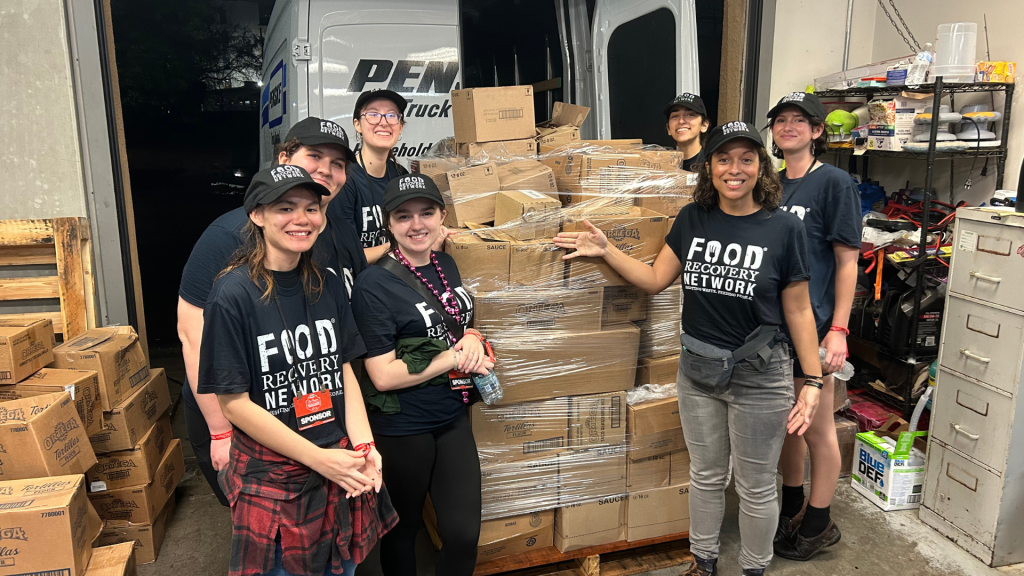
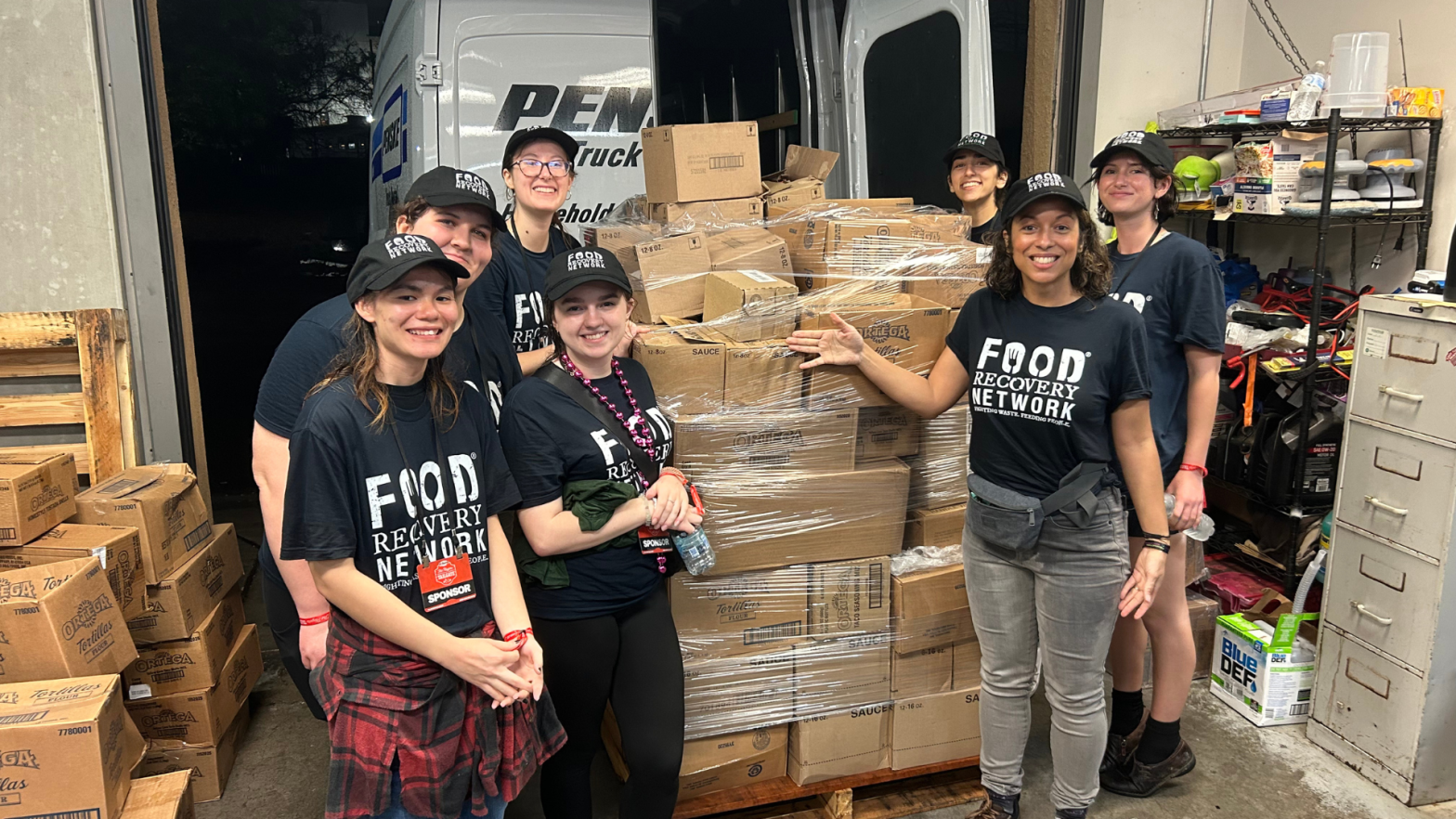
Every evening, a quiet “clearance” takes place across supermarket shelves and bakery counters. Some loaves of bread were simply unsold that day, some fruits and vegetables merely lack a uniform appearance, and some packaged goods are just approaching their best-before dates, yet they face a swift removal from the retail chain. They are only one step away from wasteful disposal, but equally, only one step away from reaching someone in need.
Under the Surplus Food Rescue and Sustainable Meal Support Project managed by the ICSO UK Branch, youth volunteer Liu Yang and his team members are precisely the ones bridging this critical gap. They assist in recovering food that strictly adheres to safety standards—handling date verification, sorting, inventory logging, and distribution support—ensuring that food originally destined for waste finds its way into the hands of those who need it most. For Liu Yang, this is far more than simple logistics and distribution; it is a tangible practice grounded in resource management, human dignity, and sustainable living.
Youth Volunteer Profile
Name: Liu Yang
Major: Environmental Management, University of Manchester
Affiliation: ICSO UK Branch

01 Understanding “Sustainability” as an Action, Not a Slogan, Starting from Night Recovers
Liu Yang’s first experience with the ICSO UK Branch surplus food rescue project took place on a Friday night. That evening, he joined several fellow volunteers to visit partner supermarkets and bakeries to collect unsold food items from the day. Store staff packed the prepared bread, vegetables, fruits, and select packaged items into transit crates. On-site, volunteers were tasked with verifying quantities, inspecting packaging integrity, and sorting items into distinct categories such as refrigerated, room temperature, and fragile goods.
Initially, Liu Yang assumed this would be a straightforward task of manual labor. Once actively involved, however, he realized that every step demanded strict attention to protocol. Heavily damaged packages could not enter the distribution pipeline; refrigerated foods required precise transit time monitoring; items closest to their best-before dates needed prioritized logging; and delicate fruits had to be kept separate from heavier goods. What seemed like an ordinary crate of food actually involved considerations of safety, efficiency, and a profound responsibility toward the service recipients.
By the end of that evening, watching food that might otherwise have been discarded sorted into crates and readied for the next day’s distribution center, Liu Yang experienced a moment of genuine clarity. Concepts he had learned in lectures—such as “resource circulation,” “sustainable consumption,” and “emission reduction in food systems”—were no longer abstract theories in academic reports. They manifested in a very concrete evening, encoded within a log sheet, an insulated cooler, and a strictly timed transit route.
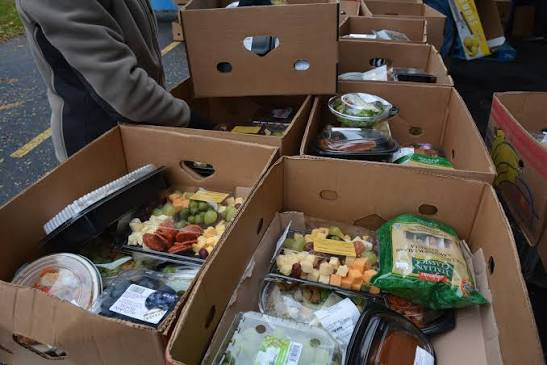
02 Meticulous Care at the Sorting Table to Ensure Every Portion is Handled Safely
After officially joining the project, Liu Yang participated most frequently in food sorting and pre-distribution preparation. Before every session, volunteers thoroughly sanitized work surfaces and checked that gloves, labels, sorting bins, and tracking sheets were fully prepared. Upon delivery, food was organized into designated zones: fresh produce, bakery goods, canned items, dry goods, beverages, and specialty storage items. Each category underwent rigorous checks for expiration dates, physical appearance, and quantity before being arranged according to distribution priority.
Liu Yang quickly recognized that this work tested continuous mental focus rather than physical strength. A misread date could disrupt the distribution sequence; a refrigerated item placed in the wrong zone could create a food safety risk; and an overlooked allergen warning could cause severe inconvenience to a recipient. Consequently, he developed the habit of conducting a second review after completing his initial sorting, explicitly labeling any items requiring special attention.
On one occasion, the team received a batch of cereal products with slightly crushed outer packaging but intact inner seals. Unsure if they met distribution standards, several new volunteers prepared to move them directly to the disposal area. Instead of rushing to a conclusion, Liu Yang worked alongside the project leader to inspect the packaging seals, verify shelf life, and cross-reference the project’s distribution criteria. Ultimately, the qualified items were repackaged and logged into inventory, while non-compliant items were separately documented. This experience deepened his understanding that public welfare is neither about blindly distributing anything usable nor hastily discarding anything with minor flaws; it is about finding the most responsible approach within standardized guidelines.
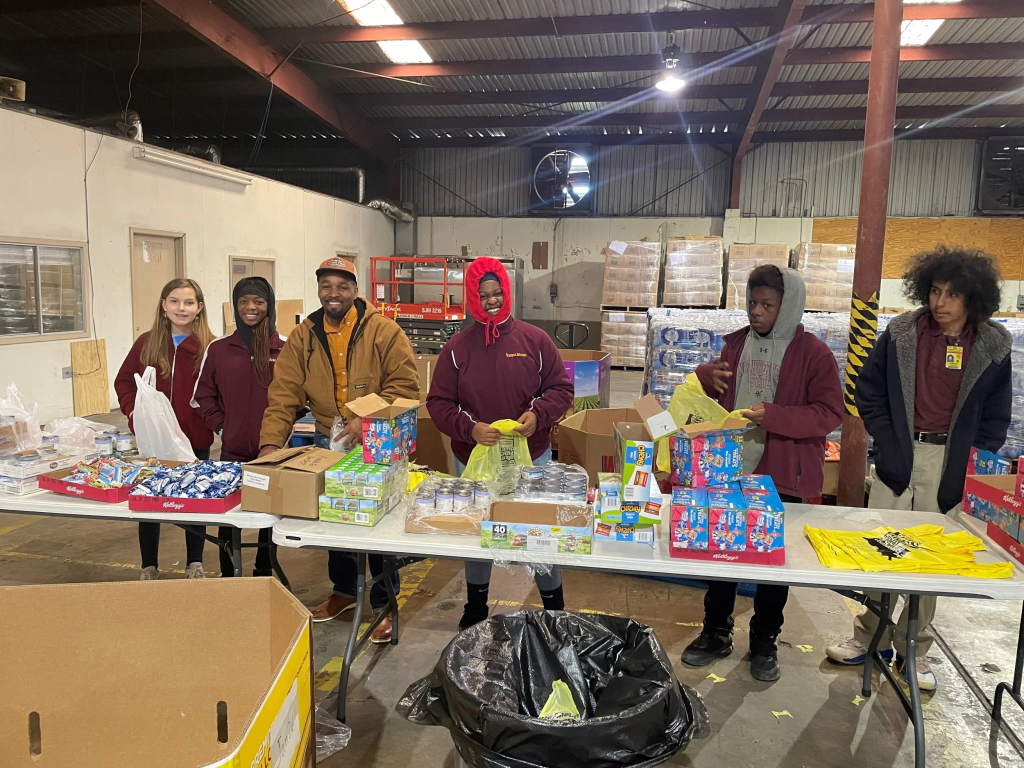
03 From Food Distribution to Low-Waste Advocacy: Inspiring Daily Lifestyle Changes
As his involvement deepened, Liu Yang began assisting the project team with low-waste lifestyle advocacy. When discussing food waste, many people naturally picture large restaurants and commercial supermarkets, often overlooking routine waste within household kitchens. Overbuying, failing to distinguish between “best before” and “use by” dates, improper storage of fresh produce, and uncertainty over how to utilize leftovers—these seemingly minor habits cumulatively result in substantial waste.
Together with his team, Liu Yang developed concise, practical educational materials tailored for young people, grounding the content in daily scenarios: how to construct a weekly grocery list, which vegetables require refrigeration versus freezing, how to correctly interpret “best before” and “use by” labels, and how to combine leftover ingredients into simple, nutritious meals. During a campus outreach event, they introduced a “Low-Waste Kitchen Quiz,” asking participants to analyze a photo of a refrigerator and identify which foods should be prioritized for consumption.
During that event, an international student shared with Liu Yang that upon first arriving in the UK, he frequently bought excessive groceries, much of which ultimately ended up in the trash. After hearing the explanation, he realized that minimizing waste does not demand drastic lifestyle overhauls; it can begin simply with buying slightly less, prioritizing near-expired items, and learning proper storage techniques. Liu Yang deeply valued such feedback. For him, the true purpose of advocacy is not to induce guilt, but to empower individuals with the knowledge that they can make a meaningful difference starting with their very next meal or shopping trip.
04 Sustained Commitment: Delivering Meals to Those Who Need Them Most
Through his ongoing work with the ICSO UK Branch, Liu Yang evolved from a standard volunteer into a core youth leader capable of coordinating on-site operations and training newcomers. Prior to events, he meticulously verifies sorting supplies and log sheets; during operations, he reminds new volunteers of food safety standards, sorting rules, and respectful communication styles; and post-event, he assists in consolidating recovery metrics, distribution reports, and field feedback to help the team optimize future logistics and resource allocation.
According to official ICSO system records, over the past year and a half, Liu Yang has participated in more than 20 volunteer service activities with the ICSO UK Branch. His work spans surplus food recovery, meal distribution support, food safety documentation, low-waste advocacy, volunteer training assistance, and project feedback archiving—accumulating over 180 hours of voluntary service. In recognition of his sustained dedication and outstanding performance, he was awarded the title of ICSO Three-Star Youth Volunteer and presented with the official ICSO Volunteer Service Certificate.
Liu Yang noted that he previously viewed environmental protection primarily as reducing plastic, conserving energy, and preserving nature. Today, he realizes that the dining table is an equally vital front in environmental stewardship. A single portion of properly distributed food prevents waste while simultaneously easing someone’s daily living burden. Public welfare does not always require grand gestures; sometimes, it is simply about delivering food accurately, safely, and timely while it remains fresh.
A box of near-expired food should never be reduced to a forgotten metric in a warehouse; a timely delivered meal can offer tangible comfort in someone’s day. May more young volunteers join Liu Yang in turning waste reduction into concrete action—between crates of food, tracking sheets, and distribution rounds—ensuring that warmth from every corner of the city reaches those who need it most.