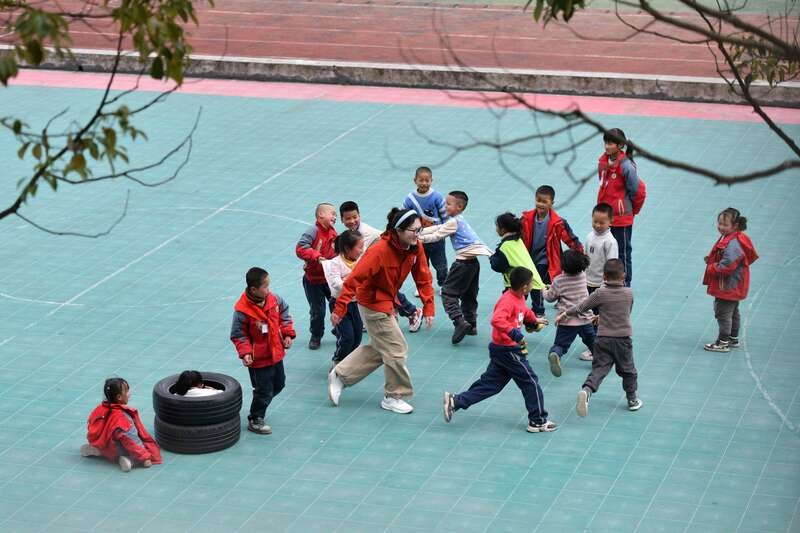
In the eyes of many, public welfare is a journey afar—visiting an unfamiliar place to complete a meaningful service project. However, for Lin Ruoxi, it was only after stepping directly into the mountainous regions that she realized volunteering goes beyond simple “giving.” It is, above all, a continuous process of careful observation, dedicated companionship, and deepening one’s understanding of education.
For growing children, a single classroom, a lesson, or a book can alter how they perceive the world. What young volunteers can do within their limited time is meticulously prepare, offer sincere companionship, and ensure every interaction addresses the children’s actual needs.
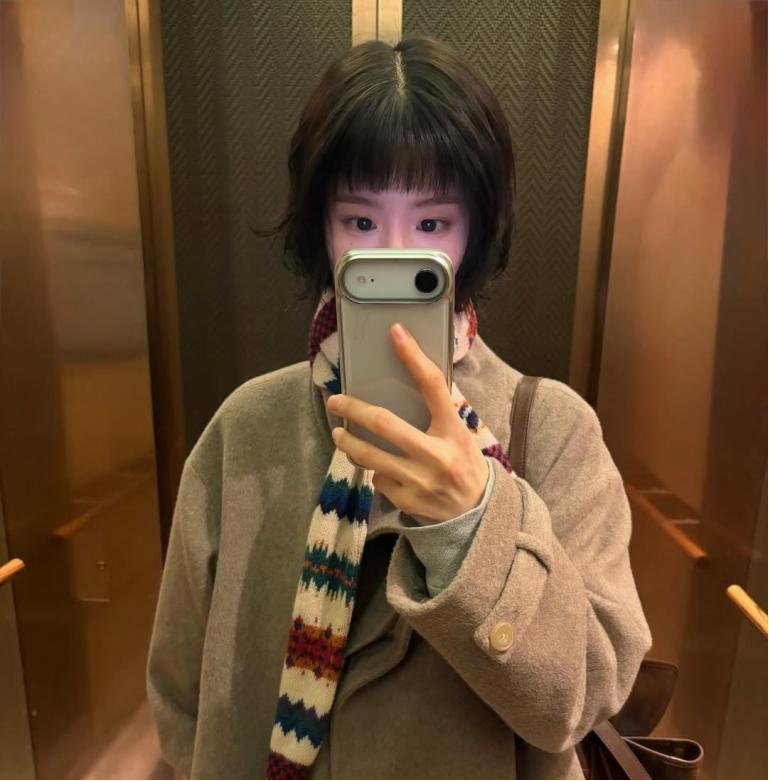
Youth Volunteer Profile Name: Lin Ruoxi
Education: The University of Hong Kong, Major in Education
Affiliation: ICSO·CN (China) Branch
01
Translating Educational Ideals into Classroom Practice
Lin Ruoxi’s journey with ICSO began with a recruitment call for an educational public welfare project in a mountainous region. As an education major at The University of Hong Kong, her academic focus centered on child development, educational equity, and rural education reform. Theoretical studies made her realize that education extends far beyond imparting knowledge; it builds a child’s capacity to view the world, gain confidence, and plan for the future. Upon discovering the rural education project launched by the ICSO·CN (China) Branch, she connected her academic knowledge with real-world public welfare for the first time, recognizing the pressing need for youth involvement in bridging regional educational disparities.
Transforming her inspiration into direct action, she applied to join the ICSO·CN (China) Branch and participated in the “One Classroom, One Love” educational initiative. During the early stages, Lin was primarily responsible for organizing course materials, preparing teaching content, and designing classroom plans. Drawing on her academic background, she analyzed the learning foundations and receptive capacities of rural students to simplify complex concepts into clear, tangible presentations. She integrated interactive Q&A sessions, reading circles, and group activities to shift the classroom dynamic from a traditional lecture to an engaging space where children could build interest, improve self-expression, and boost self-confidence through active participation.
02
Understanding Public Welfare Within Real Contexts
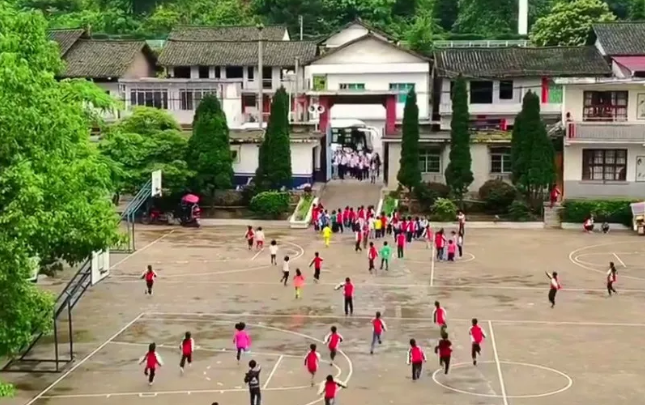
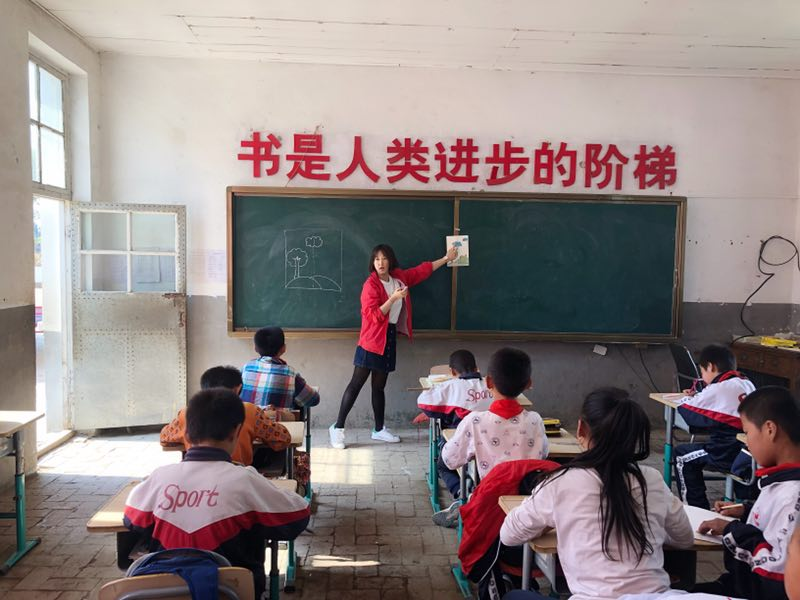
On her first field trip to a rural primary school, Lin gained a direct perspective on the reality of the “educational resource gap.” Located in a remote area with rough access roads, the school required volunteers to carry books, stationery, and teaching supplies on foot. Upon arrival, she observed modest classroom conditions—worn-out desks and chairs used for years and rudimentary teaching facilities. Yet, the children’s focus and eagerness during class left a deep impression on her. This field experience gave a concrete shape to the concept of “educational equity” found in textbooks, solidifying her belief that genuine public welfare must address real needs.
Throughout the project, Lin was actively involved in introductory English lessons, reading workshops, and mentorship activities. Rather than rigidly applying standardized teaching methods, she tailored the content to match the students’ current learning levels. In English classes, she integrated basic vocabulary into situational dialogues and mini-games. In reading workshops, she guided children through reading aloud, retelling story plots, and practicing self-expression. After class, she spent time conversing with students to understand their academic difficulties and personal aspirations.
When working with an introverted student who initially hesitated to speak up, Lin refrained from rushing her. Instead, she gradually built trust through patient after-class companionship. A few days later, the child voluntarily raised her hand to read a short English sentence. Though quiet, her effort was deliberate and clear. This moment touched Lin deeply, reinforcing her belief that the true power of education often manifests in patient encouragement and brave first steps.
03
Gaining Growth Through Sustained Service
Beyond classroom teaching, Lin actively participated in other ICSO public welfare initiatives, such as “One Book, One Heart” and the “Eagle Student Assistance Program.” Alongside her team, she sorted donated books, categorized reading lists by grade level, conducted home visits to assess students’ learning needs and family backgrounds, and helped set up basic reading corners to expand access to extracurricular books. Throughout her teaching assignment, she adjusted the following day’s lesson plans daily based on real-time classroom feedback. Balancing daytime teaching and activity organizing with nighttime reflection and manuscript revisions, she handled everything—from inventory checks and class scheduling to recording student feedback—with precision, clarity, and care.
According to ICSO records, over the past two years, Lin has participated in more than 20 volunteer activities, accumulating over 350 service hours. Her work has reached diverse groups, including primary school students in rural areas, left-behind children, and youth from underprivileged families. Recognizing her dedication and consistent contributions to educational projects, she was awarded the title of ICSO Youth Three-Star Volunteer and received the ICSO Volunteer Service Certificate.
Reflecting on her volunteer journey, Lin shared: “This experience gave me a grounded understanding of both public welfare and education. Public welfare is neither a passing emotional moment nor a task to check off a list; it is about stepping into real-world contexts and reflecting on what one can take on and do well. The determination and resilience of the children moved me deeply and made me treasure my own learning opportunities even more. Moving forward, I hope to continue participating in education-focused public welfare initiatives, applying my academic knowledge to real-world service, and encouraging more people to support children who are striving to learn and grow.”
From curriculum design to field teaching, and from family visits to documentation, Lin Ruoxi has approached every task with a dedicated, grounded, and responsible attitude. By integrating her insights as an education major into public welfare work, she has come to appreciate both the complexity and long-term value of education. The true significance of a youth volunteer lies not just in physically arriving at a location, but in deeply understanding the reality on the ground. Lin’s actions demonstrate that impactful public welfare rests in patient explanations, clear records, and equal conversations. Moving forward on her path with ICSO, she will continue to answer the hopes of more children through steadfast action.
