
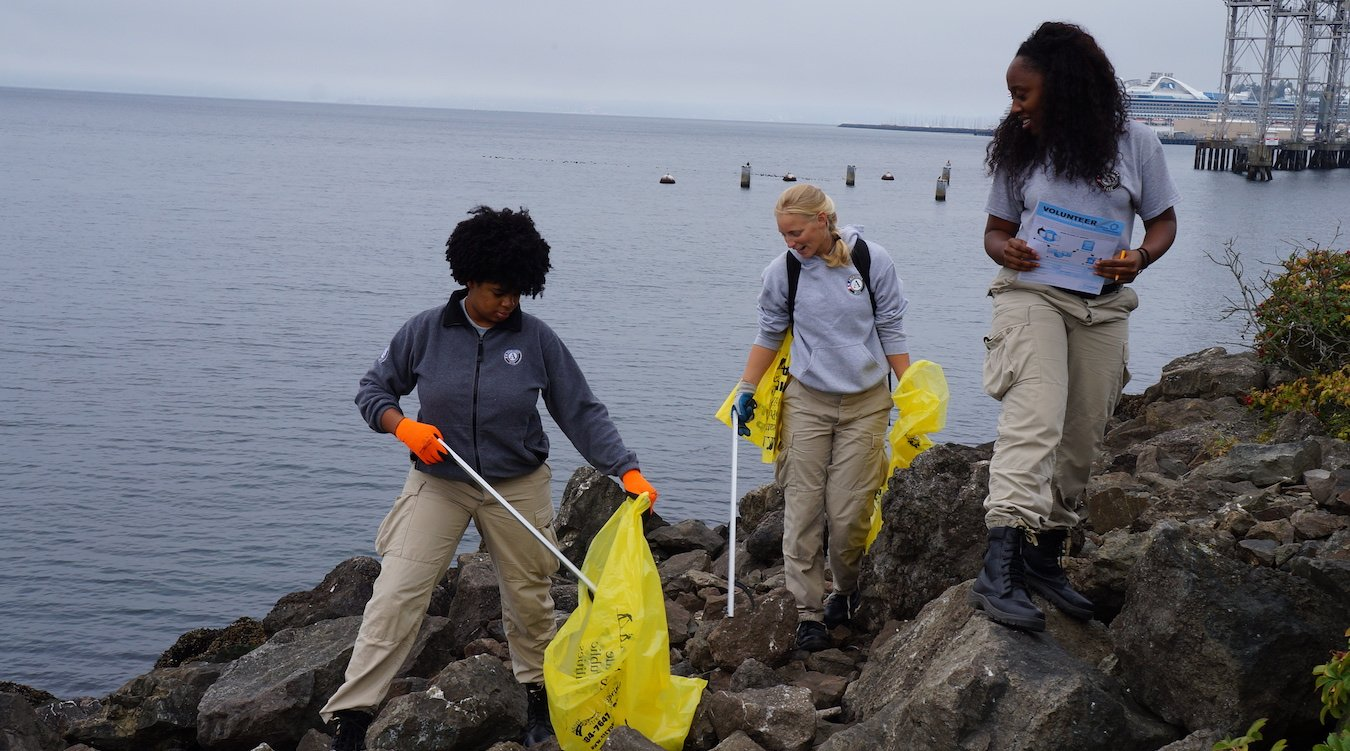
The coastline is where cities meet the ocean. It holds waves, reefs, seabirds, and tourists’ footprints, but often also overlooked plastic bottles, discarded fishing lines, disposable food boxes, and fine plastic fragments. Unremarkable as they seem, they can easily drift into the ocean with the tide, threatening seabirds, fish, and the entire coastal ecosystem.
In the coastline protection project organized by the UK Branch of the International Charity Support Organization (ICSO), there is a dedicated group of young volunteers. They walk along the shore, clean up litter, log waste types, and lead environmental initiatives, addressing marine conservation through practical, repeated efforts. Today, let’s explore the charity journey of ICSO youth volunteer Liu Jiayi.
Youth Volunteer
Profile: Liu Jiayi, Department of Geography and Environmental Science, University College London Department: ICSO UK Branch

01 Starting with a Plastic Bottle: Seeing the Real Side of Coastal Protection
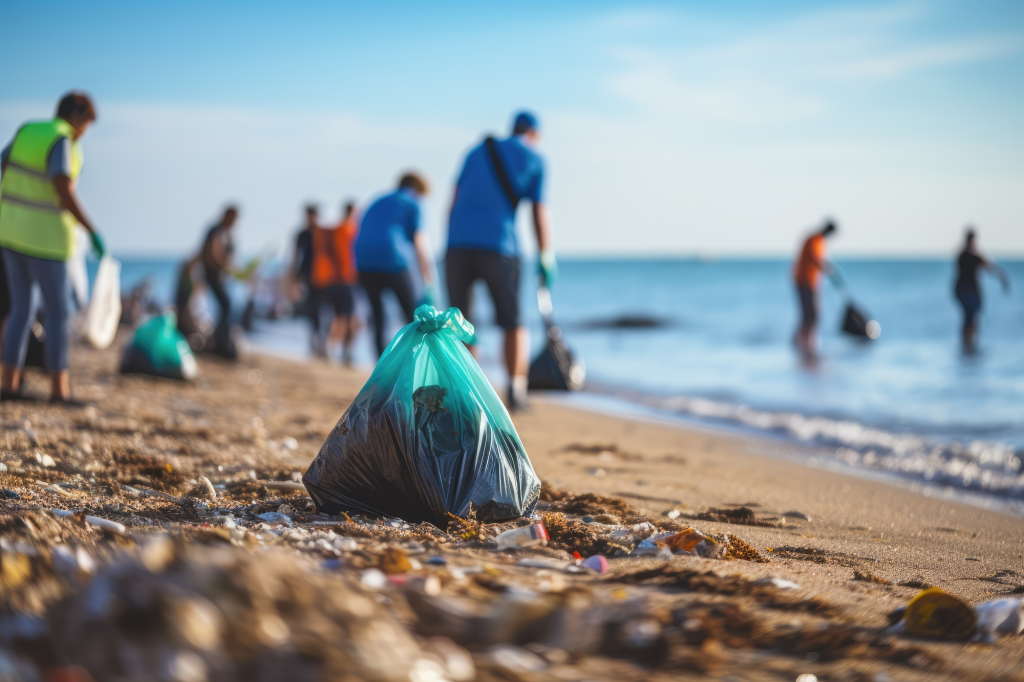
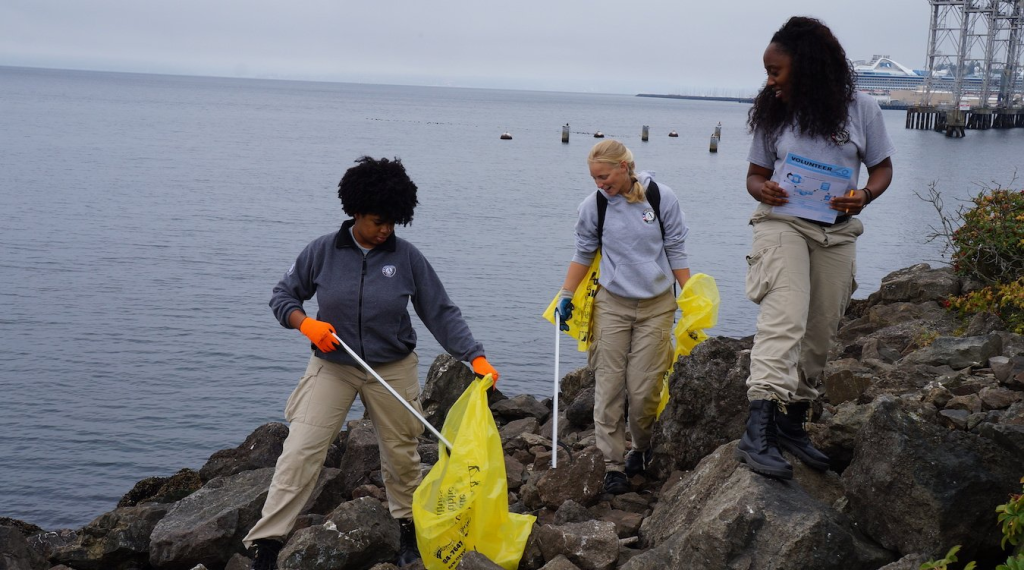
Liu Jiayi’s first participation in the ICSO UK Branch’s coastline protection event took place on a windy weekend morning. That day, volunteers gathered near a stretch of coast in Southern England. Armed with gloves, tongs, sorting bags, and tally sheets, everyone set off along designated routes to begin the cleanup. At first, Jiayi thought it was just a standard beach sweep. But once she crouched down, she realized the problem was far more complex than she had imagined. Beverage bottles were wedged between reef crevices, cigarette butts and plastic fragments were mixed into the sand, and near an old pier lay weathered ropes and discarded fishing nets soaked by the sea. Some litter had been ground down so small that it easily blended in with ordinary pebbles unless inspected closely.
“We aren’t just here to pick up garbage,” a project leader reminded the team. “We also need to understand where it comes from and where it accumulates.” This statement left a deep impression on Jiayi. She realized for the first time that charitable work is not about simply completing a task; it requires recording and analyzing the visible issues on-site and attempting to find longer-term solutions. By the end of the day, Jiayi’s group had collected multiple bags of waste, a large portion of which consisted of plastic packaging and fishing debris. Though her gloves were soaked with seawater and her shoes were covered in sand, she felt no fatigue. Instead, she felt she had truly stepped into a public issue she had previously only encountered in news reports and lectures.
02 Joining the Coastal Defense Action: Bringing Classroom Knowledge to the Field
After officially joining the ICSO UK Branch, Jiayi began regularly participating in its coastline protection projects. Before every activity, she would check the weather forecast, tide times, and assembly routes, packing her bag with a raincoat, water, spare socks, and a notebook. The UK weather was fickle—a clear sky could turn into a drizzle without warning—yet the volunteers pressed forward along safe routes as planned.
Leveraging her background in environmental monitoring and spatial recording from her major, Jiayi proactively took on part of the data management duties. She cataloged the waste collected during each cleanup into categories such as plastic, metal, glass, paper products, and fishing debris, recording their approximate locations and volume changes. After analyzing several datasets, she noticed that disposable packaging concentrated around tourist rest areas, while fishing lines, ropes, and net fragments were predominantly found near the old pier.
These findings provided valuable insights for subsequent operations. Based on her records, the ICSO UK Branch adjusted its volunteering focus: bolstering low-plastic initiatives in high-tourist zones while directing volunteers to inspect fishing debris closely near the pier. Jiayi gradually understood that coastal cleanup is not about “the more you pick up, the better.” What matters more is making the problem visible, understandable, and actionable through sustained efforts and data logging. Once, while cleaning, she found a thin line wrapped around a rock with a few feathers stuck nearby. Though uncertain whether a seabird had been trapped, she documented the situation and reported it to the project lead. In that moment, she realized more deeply that environmental harm does not always happen with grand spectacles; it hides within a forgotten string, a piece of broken plastic, or an ignored bottle cap.
03 From Beach to Campus: Engaging More Youth in Low-Plastic Living
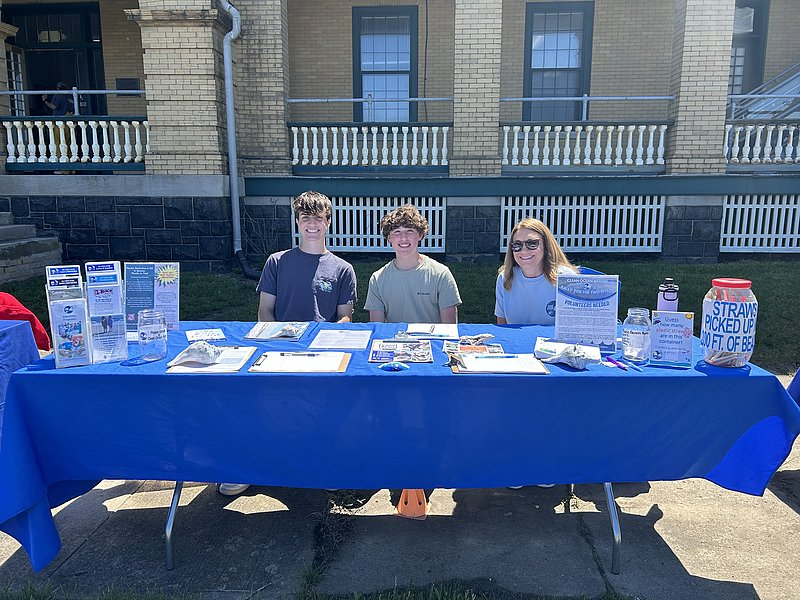
After participating in the project for some time, Jiayi began thinking about what more she could do beyond periodic beach cleanups. She noticed that many of her peers were not indifferent to environmental issues; rather, they simply didn’t know where to start. Some felt marine pollution was a distant problem, while others believed individual actions were too insignificant to make a difference. With support from the ICSO UK Branch, Jiayi and several volunteers planned a campus “Low-Plastic Living Week.” Instead of relying on abstract slogans, they grounded the campaign in everyday scenarios familiar to students: takeout packaging, disposable coffee cups, supermarket shopping bags, travel toiletries, and second-hand swaps. At the event, they displayed common types of debris collected during coastal cleanups alongside simple charts showing data from past operations.
What struck Jiayi most was a student’s reflection after viewing the display: “I used to think ocean pollution was a far-off issue, but these things pass through our hands every single day.” This remark reinforced her belief that advocacy isn’t measured by how many people an event transforms instantly, but by its ability to prompt individuals to reconsider their daily habits. Following the campaign, numerous students signed up for the next coastal volunteer run. Jiayi also began curating graphics and posts on social media, sharing coastal conservation facts, low-plastic lifestyle tips, and volunteer records. She wanted to show that charity does not require grand gestures—reducing single-use plastics, carrying away your own trash, or joining a single cleanup are all meaningful changes anyone can make.
04 Demonstrating Youth Responsibility Through Continuous Service
As her involvement grew, Jiayi’s role within the team evolved. She transitioned from simply following team tasks to actively reminding new volunteers about tidal safety, waste sorting, and recording methods. When mentoring first-time participants, she advised them not to focus purely on speed, but to prioritize safety and ensure proper sorting and logging. In her eyes, volunteering is not always accompanied by applause. More often, it is repetitive, meticulous, and demanding of patience. Strong coastal winds and rain soak through jackets; debris wedged deep inside rock crevices requires persistent efforts to extract; and areas cleared just weeks prior often accumulate fresh waste. Yet, it is precisely because of these challenges that perseverance becomes meaningful.
According to ICSO records, over the past year, Jiayi has participated in more than 20 volunteer activities across the ICSO UK Branch, including coastline protection, low-plastic living campaigns, campus environmental promotion, and event data compilation, logging over 180 service hours. In recognition of her dedication and outstanding performance, she was awarded the ICSO Youth Three-Star Volunteer title alongside an official ICSO Volunteer Service Certificate. Jiayi reflects that while a single cleanup won’t magically cure an ocean, every action serves as a reminder that environmental protection is not a distant slogan, but a concrete responsibility embedded in daily choices and public action.
Through her volunteer journey with ICSO, what she witnessed was not what one person could achieve alone, but how a movement of young people across different countries, cities, and causes can transform goodwill into practical action. The waves will continue to wash new debris ashore, but there will always be those who walk toward the sea to remove, piece by piece, what does not belong to it. Protecting the coastline means guarding the boundary of life between the city and the ocean. May more young volunteers follow in Jiayi’s footsteps—starting with small actions, embracing long-term, dedicated service, and contributing their own strength toward a greener future.