Disaster emergency response may feel distant from daily life, yet a single wildfire, heavy rainstorm, or sudden blackout can instantly make it a reality for every household. Items often overlooked—masks, drinking water, flashlights, first-aid kits, basic medicines, and emergency contacts—frequently provide a crucial sense of security when crisis strikes.
Within the Disaster Emergency and Climate Risk Advocacy Project at the ICSO (International Charity Support Organization) US Branch, a dedicated group of youth volunteers steps into supply warehouses, organizes emergency kits, creates risk awareness cards, and assists with public outreach. Through work that seems meticulous yet is deeply necessary, they build the first line of defense before disaster hits. Today, let us step into the public welfare journey of ICSO youth volunteer Emily Carter.
Youth Volunteer
Profile:
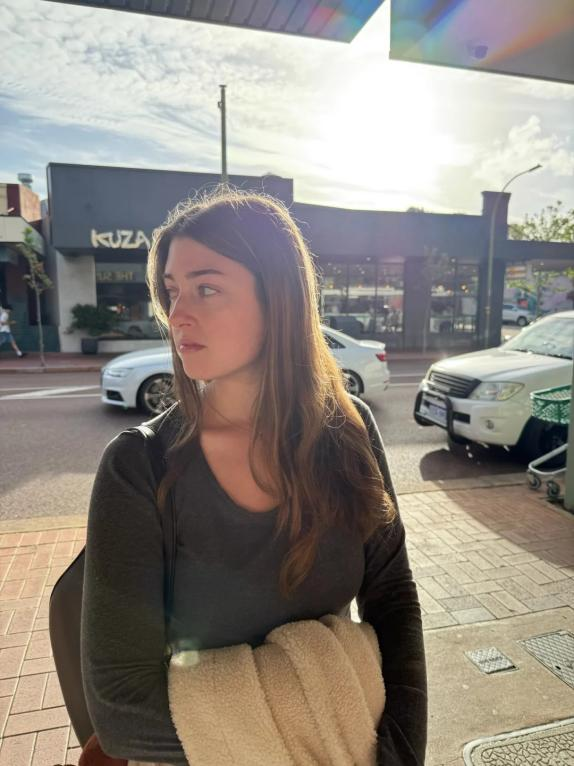
Emily Carter
Major in Public Policy, University of Southern California
Affiliation: ICSO US Branch
01
Starting from Wildfire Smog: Understanding the True Meaning of “Being Prepared”
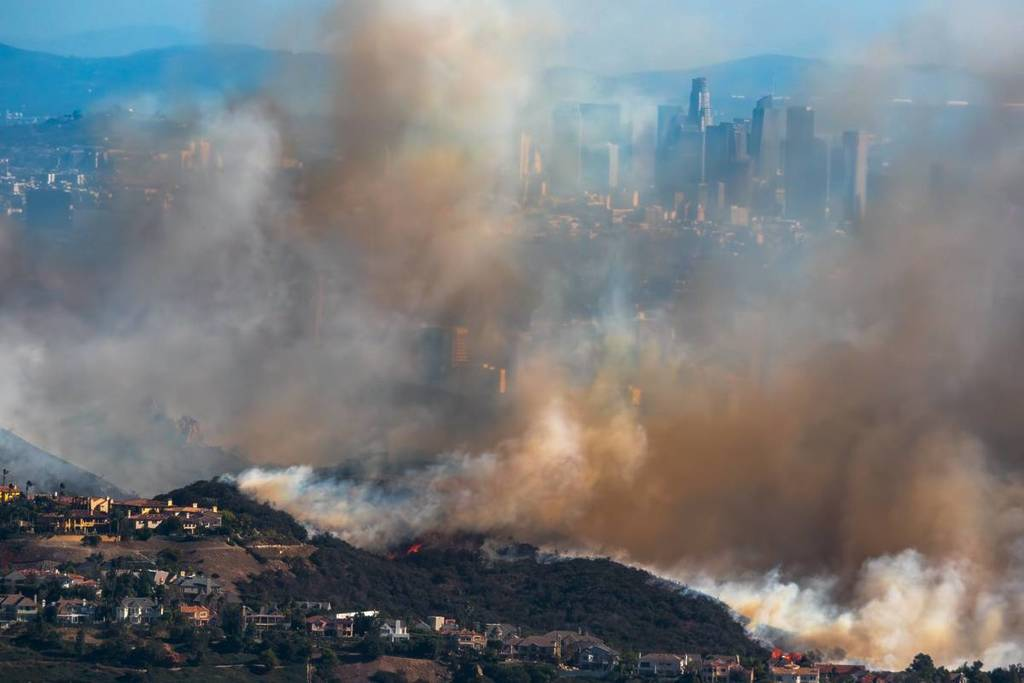
Emily first realized the vital importance of disaster preparedness during a spell of severely degraded air quality in Los Angeles. For days, the sky near her campus remained a hazy gray, weather apps continuously pushed air quality alerts, and many students began buying masks and air purifiers. While some were well-prepared, others were completely unsure of where to find reliable information or what supplies to gather. She had originally assumed that disaster response was primarily the duty of professional agencies and rescue personnel, leaving limited room for ordinary citizens to act.
That mindset shifted during an online orientation hosted by the ICSO US Branch, where the project lead noted: “Truly effective public safety doesn’t just happen after a disaster; it happens before.” The phrase left a lasting impression on Emily.
During the session, she learned that the ICSO US Branch was conducting a Disaster Emergency Supply Sorting and Climate Risk Advocacy Project. The work encompassed sorting emergency supply kits, organizing basic protective equipment, designing disaster risk info cards, promoting public emergency readiness, and logging volunteer service data. Emily quickly submitted her application, eager to channel her academic field into tangible public action. To her, this was more than a routine volunteer signup; it was an opportunity to redefine “public welfare.” Charitable action isn’t limited to rushing to disaster zones after an event—it can also mean placing preparation, information, and actionable checklists into people’s hands well before disaster strikes.
02
Stepping into the Warehouse: Delivering Precision in Meticulous Work
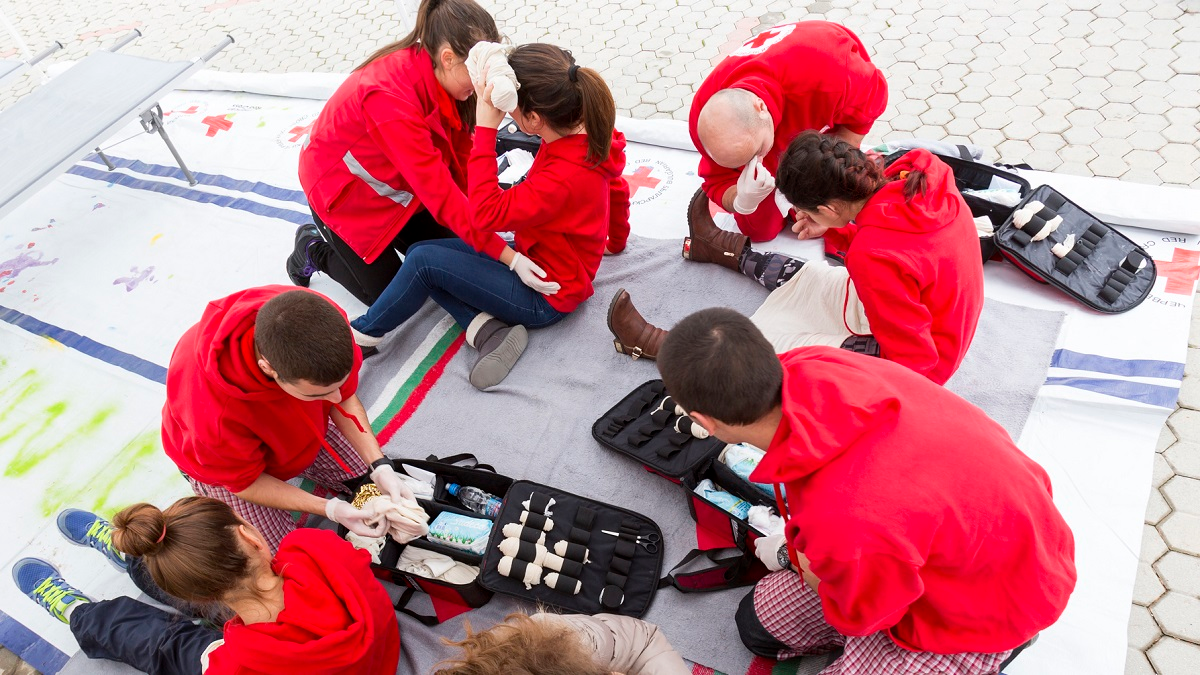
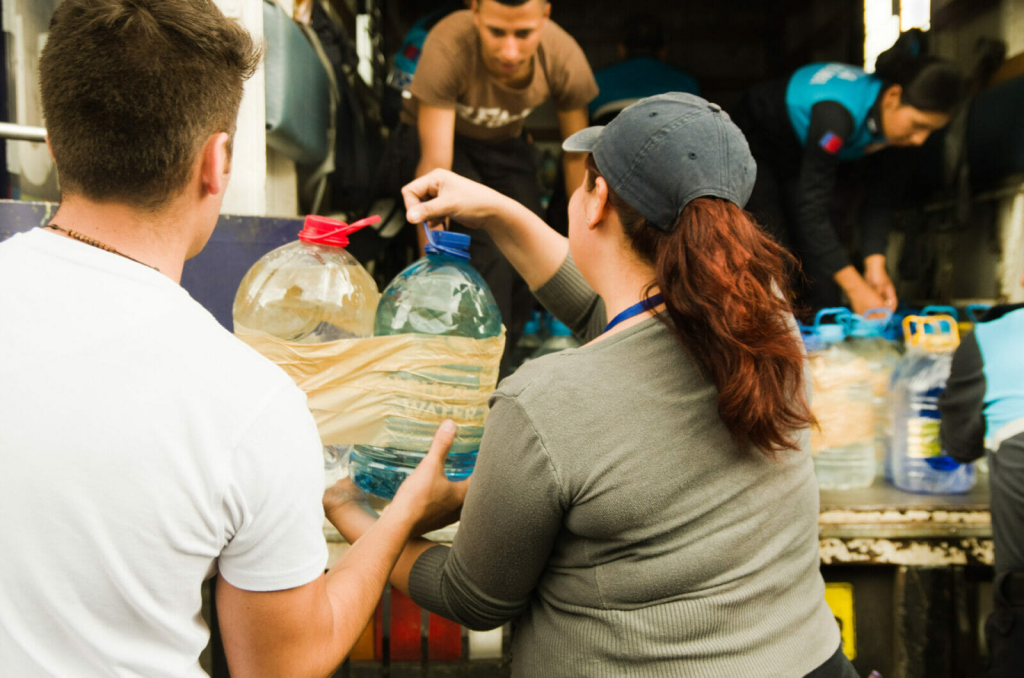
Upon joining the project, Emily’s first assignment was helping organize emergency supplies at a warehouse affiliated with the US Branch. When she arrived, rows of cardboard boxes filled the space—containing N95 masks, disposable gloves, disinfectant wipes, first-aid items, flashlights, batteries, drinking water, emergency thermal blankets, and basic supplies for children. While it appeared to be simple repackaging, doing the job right required immense care. The project lead first guided volunteers through a structured training session: supplies had to be categorized by purpose, items with expiration dates required separate verification, first-aid goods could not be mixed with general supplies, and kits for children and families needed clear distinction. Before sealing any kit, every checklist had to be re-checked to ensure no missing items, misplaced goods, or damaged packaging.
Emily was initially assigned to verify masks and basic hygiene products. She quickly discovered that the hardest part of supply sorting wasn’t the physical effort, but maintaining sustained patience and accuracy over long hours. A single missing item in a box might go unnoticed on-site, and a mislabeled package could cause confusion during distribution. She and her team repeatedly cross-checked counts, marked categories, and inspected box seals, often standing for hours at a time. By the end of the day, her fingers were sore and reddened from the cardboard edges, and her clothes were dusted with grime. Yet seeing rows of neatly sorted emergency kits stacked ready brought her a deep sense of quiet fulfillment. She understood that while these supplies might not be used immediately, they had to be complete, clear, and utterly dependable the moment someone needed them.
03
From Sorting Supplies to Risk Advocacy: Empowering the Public to Prepare
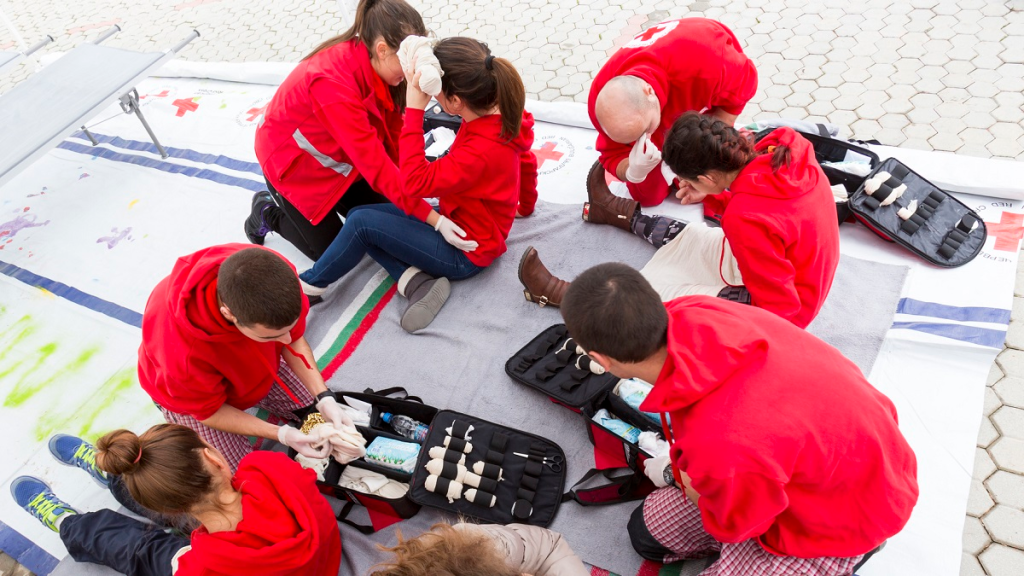
As her involvement grew, Emily expanded her role beyond warehouse organization to help the team craft public-facing emergency readiness materials. Alongside fellow volunteers, she analyzed common disaster scenarios to translate complex technical information into accessible tips. These covered practical guidance: how to choose the right mask during wildfire smog, what essentials a family kit needs during a blackout, how to retain emergency contacts when a phone battery dies, and what additional items to pack when living with children or pets. They organized these insights into bilingual English-Chinese tip cards, carefully avoiding technical jargon so individuals from all backgrounds could easily understand them.
During an outreach event tailored for international students, Emily noticed that many were not indifferent to disaster information, but simply lacked knowledge on where to look, which alerts to trust, and what to prepare in advance. Some asked, “Do only people living near wildfire zones need to prepare?” Others wondered, “Is an emergency kit necessary if a blackout only lasts a short time?”
Rather than stoking fear, Emily used the project’s emergency checklists to explain patiently: disaster preparedness isn’t about promoting panic, but about reducing chaos when unexpected events occur. A family emergency kit doesn’t need to be expensive or overly complicated, but basic essentials—drinking water, lighting tools, basic medicines, backup power, and vital contacts—should indeed be prepared beforehand.
By the end of the session, several students took emergency checklists on their own initiative, and others inquired about the next volunteer recruitment cycle. To Emily, this reflected the core value of advocacy. Public service isn’t about lecturing with grand theories; it’s about helping people understand the concrete steps they can take next.
04
Sustained Service: Defining Public Responsibility as a Youth Volunteer
Through her ongoing involvement with the ICSO US Branch, Emily steadily grew from a general volunteer into a core youth team member capable of leading tasks independently. During warehouse operations, she proactively reminded new members to verify expiration dates and product labels; ahead of outreach events, she assisted in drafting bilingual materials; and following activities, she logged service records—compiling supply counts, participant feedback, and volunteer assignments into concise tables to facilitate project debriefs. She gradually realized that disaster emergency public service rarely comes with dramatic flare. It lacks the immediate visibility of large-scale rescue operations and the instant fanfare of high-profile events. More often, it takes place in warehouses, meeting rooms, data spreadsheets, and repeated checklist reviews. Yet it is precisely this behind-the-scenes preparation that provides a solid foundation for public safety.
After one activity concluded, a participant told her, “I used to think emergency kits were only for professionals. Today I realized that ordinary households can easily start with basic steps.” Those words deeply moved Emily. She came to understand that a volunteer’s worth extends beyond executing daily tasks—it lies in helping others build risk awareness so they can protect themselves and those around them when it matters most.
According to ICSO records, over the past year, Emily has participated in more than 20 volunteer service activities with the ICSO US Branch—spanning disaster emergency supply sorting, risk info advocacy, bilingual content creation, volunteer training support, and project data archiving—accumulating over 190 hours of volunteer service. In recognition of her sustained dedication and dependable service, she was awarded the title of ICSO Three-Star Youth Volunteer alongside an official ICSO Volunteer Service Certificate.
Emily reflects that she once viewed public welfare primarily as “helping those already facing hardship.” Today, she realizes it can equally mean “helping more people prepare before hardship strikes.” Every carefully verified box of supplies, every refined tip card, and every patiently explained piece of guidance carries the potential to make a critical difference. Through her service with ICSO, she sees that youth volunteer responsibility isn’t confined to a single role. Across different regions and causes, the underlying commitment remains the same: turning care into action, and goodwill into sustainable service. Disasters cannot be entirely prevented, but preparation can always start ahead of time.