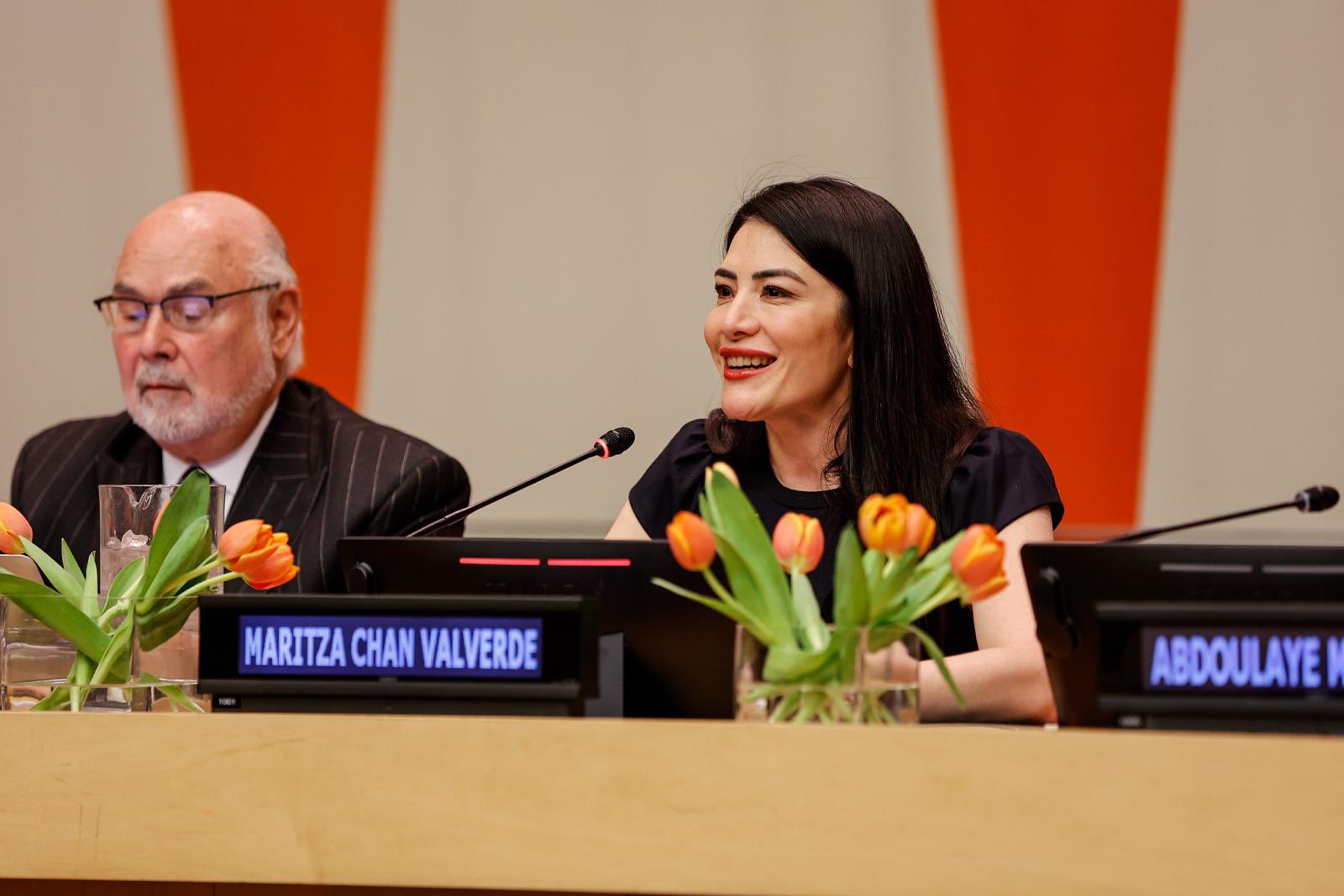
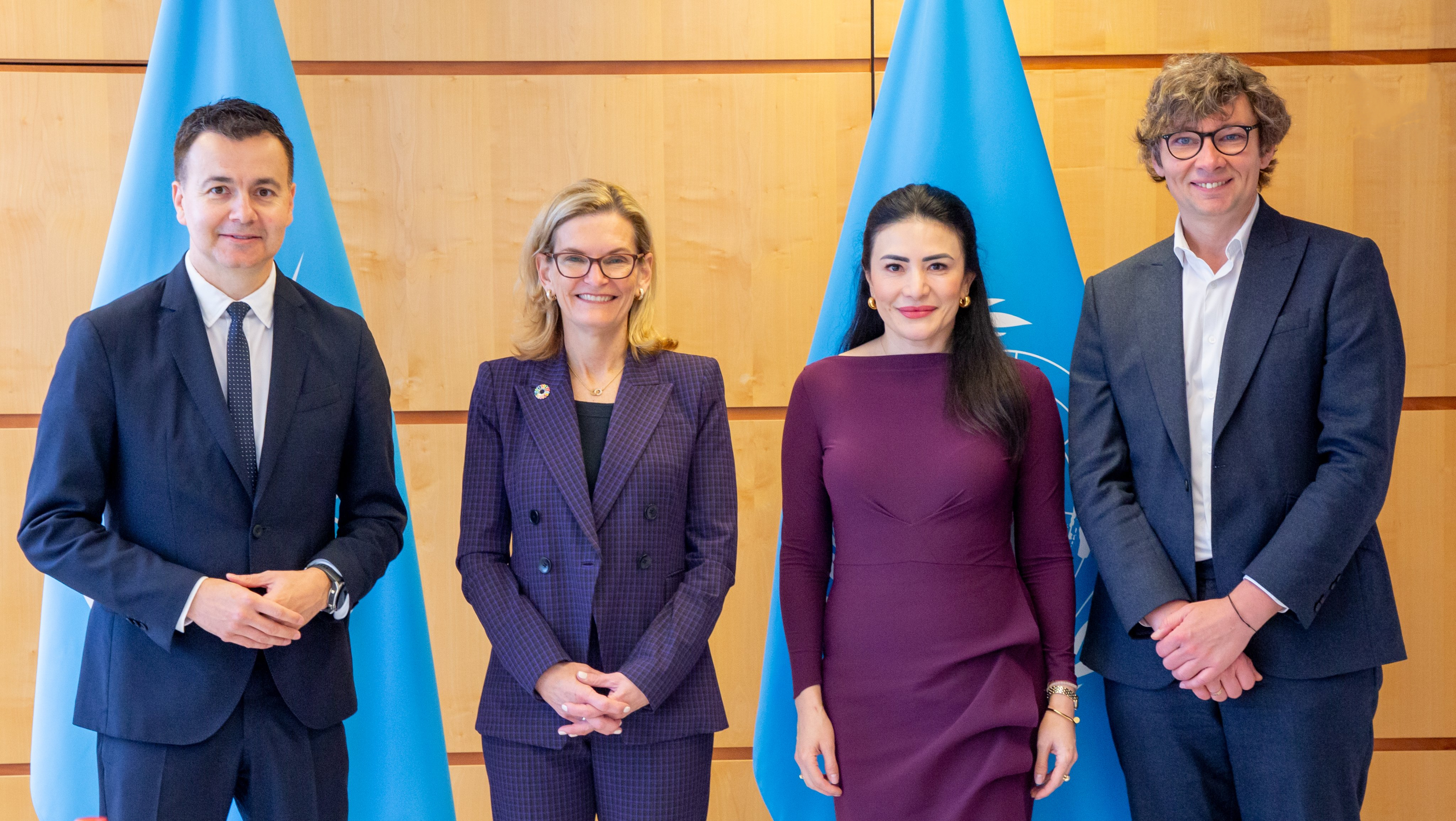
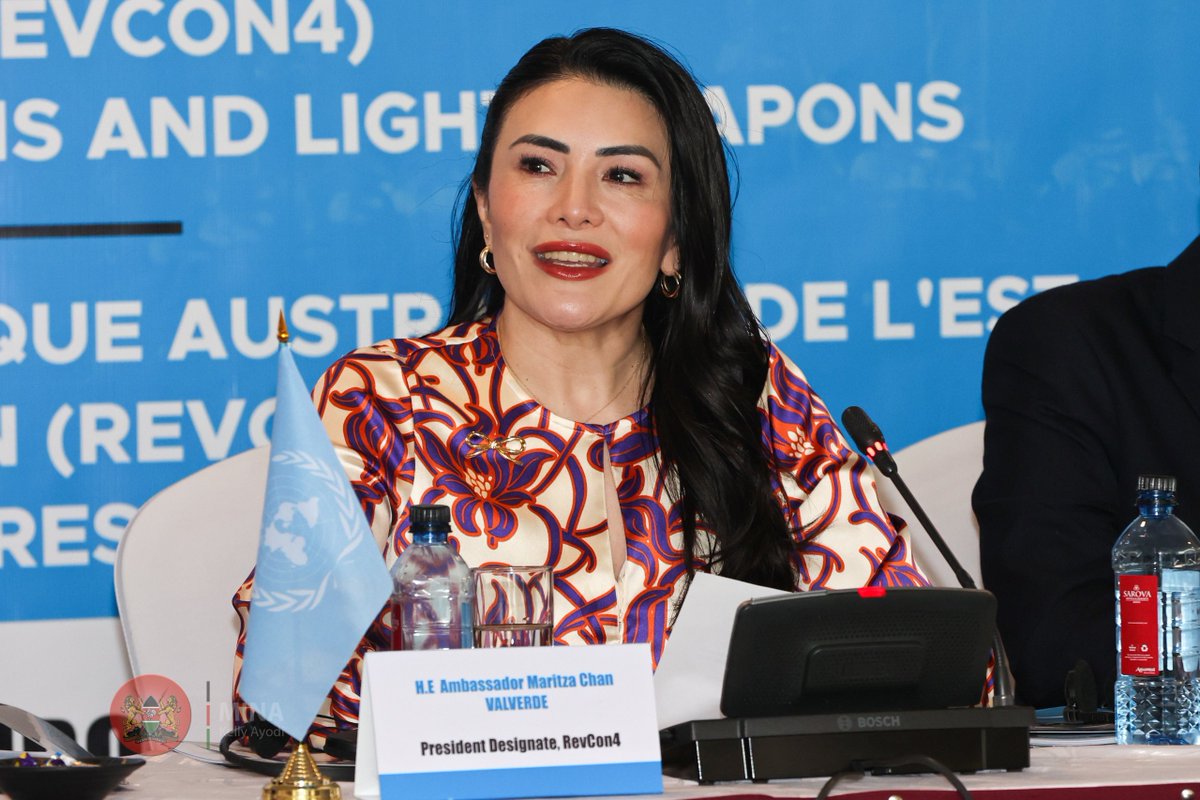
Maritza Chan Valverde, Permanent Representative of Costa Rica to the United Nations and former Chair of UNICEF’s Executive Board, is widely recognized as a respected female leader in the fields of multilateral diplomacy and humanitarian affairs. For her outstanding contributions to advancing climate justice, protecting children’s rights, and promoting gender equality, she has been awarded the honor of ICSO International Goodwill Ambassador 2025.
This recognition not only highlights her active engagement in global agendas within the UN Economic and Social Council (ECOSOC), but also acknowledges her moral courage in advocating for the rights of vulnerable groups throughout her diplomatic career. Whether at the negotiating table on climate action, or in international discussions on child and women’s welfare, Maritza has consistently pushed for humanitarian values to be embedded into systemic reforms, with resilience and foresight.
In this exclusive interview, we take a closer look at the voice of a woman within the halls of the United Nations, listening to how she has driven sustained change both inside and outside institutions—and how, within a multilateral context, she has made “humanity” the most compelling argument.
ICSO: Ambassador Maritza, thank you for joining us. You have been engaged in diplomacy for many years and have played an important role in several key UN bodies. How do you integrate “public interest values” into the practice of multilateral diplomacy?
Maritza Chan Valverde: I have always believed that effective diplomacy is not about negotiating behind closed doors, but about bringing people’s everyday struggles to the table. Whether it is climate change, malnutrition, or unequal access to education, these are not just development issues—they are humanitarian issues, they are issues of justice.
In Costa Rica, we realized long ago that small states cannot rely solely on traditional forms of power; our diplomacy must be values-driven. Public interest principles provide the foundation of our foreign policy. Every initiative I have led at the UN—from budget reviews at UNICEF to climate positions in global negotiations—has always stemmed from a genuine concern for the most vulnerable.
ICSO: As former Chair of the UNICEF Executive Board, you were deeply engaged in children’s rights issues. How do you see the challenges facing children’s welfare today?
Maritza Chan Valverde: Today’s children live in a world defined by overlapping risks. Conflicts and climate disasters are displacing millions, disrupting education, and destroying livelihoods. At the same time, the digital divide prevents many disadvantaged children from accessing opportunities critical to their development.
During my time as Chair, one moment that moved me deeply was a field visit to a nutrition assistance program in South Asia. In a temporary shelter, a mother told me: “Our children don’t need sympathy, they need opportunity.” I have never forgotten those words.
Children’s welfare must not stop at emergency response—it must be integrated into national budgets, urban planning, and education systems. This is why we have consistently advocated for child-focused budgeting, transnational public health mechanisms, and shared education resources.
ICSO: You have also promoted humanitarian reform in ECOSOC and been actively engaged in climate and environmental issues. In your view, how are climate crises connected to social good?
Maritza Chan Valverde: Climate change has never been just an environmental problem—it is the most unequal humanitarian crisis of our time. It exacerbates poverty structures and places disproportionate burdens on indigenous communities, women, and children. Extreme weather events destroy crops, interrupt education, and weaken health systems. And these impacts often fall hardest on already marginalized populations.
That is why I always advocate for climate justice as the foundation of negotiations. We need a global mechanism to ensure that the most vulnerable countries and communities gain access to the technology, resources, and security they need to adapt.
At the same time, I have been promoting the idea of “green diplomacy”—embedding ecological restoration and community rebuilding into the framework of multilateral cooperation. Only through such approaches can we address the systemic global impacts of climate change.
ICSO: In your long journey of advancing multilateral humanitarian agendas, have you experienced particularly difficult moments? And what has kept you going?
Maritza Chan Valverde: There have certainly been many difficult moments. For instance, during negotiations at the UN on a gender equality agenda, some delegations took very conservative stances, even challenging the legitimacy of basic statistical data. Our team spent more than forty consecutive hours without rest—revising texts, negotiating terms, balancing competing interests. At times, the frustration could make you question whether the effort was meaningful at all.
But I have always believed that even the smallest step forward, as long as it is in the right direction, is worth persisting. Once, during an exchange with our delegation, a young girl from Africa said to me: “The sentence you are defending at the negotiating table will affect my whole life.” That moment reminded me that public service may not bring instant results, but it can profoundly shape distant lives.
Conclusion
Through our conversation with Maritza Chan Valverde, we encounter a diplomat who transforms diplomacy into a moral conviction. Her work spans negotiating rooms and real-world frontlines. She is both a representative of national interests and an advocate for global welfare.
She demonstrates that public diplomacy is not only negotiations between states, but also a dialogue of values—an effort to respond, through the language of institutions, to the needs of vulnerable lives.
As ICSO continues to advance global public good, we will walk alongside practitioners like Maritza, guided by principles of justice, cooperation, and dignity, broadening the scope of dialogue and deepening the shared path toward a community with a shared future for humankind.
One thought on “Dialogue with ICSO International Goodwill Ambassador: Costa Rica’s UN Representative Maritza Chan Valverde”
Comments are closed.