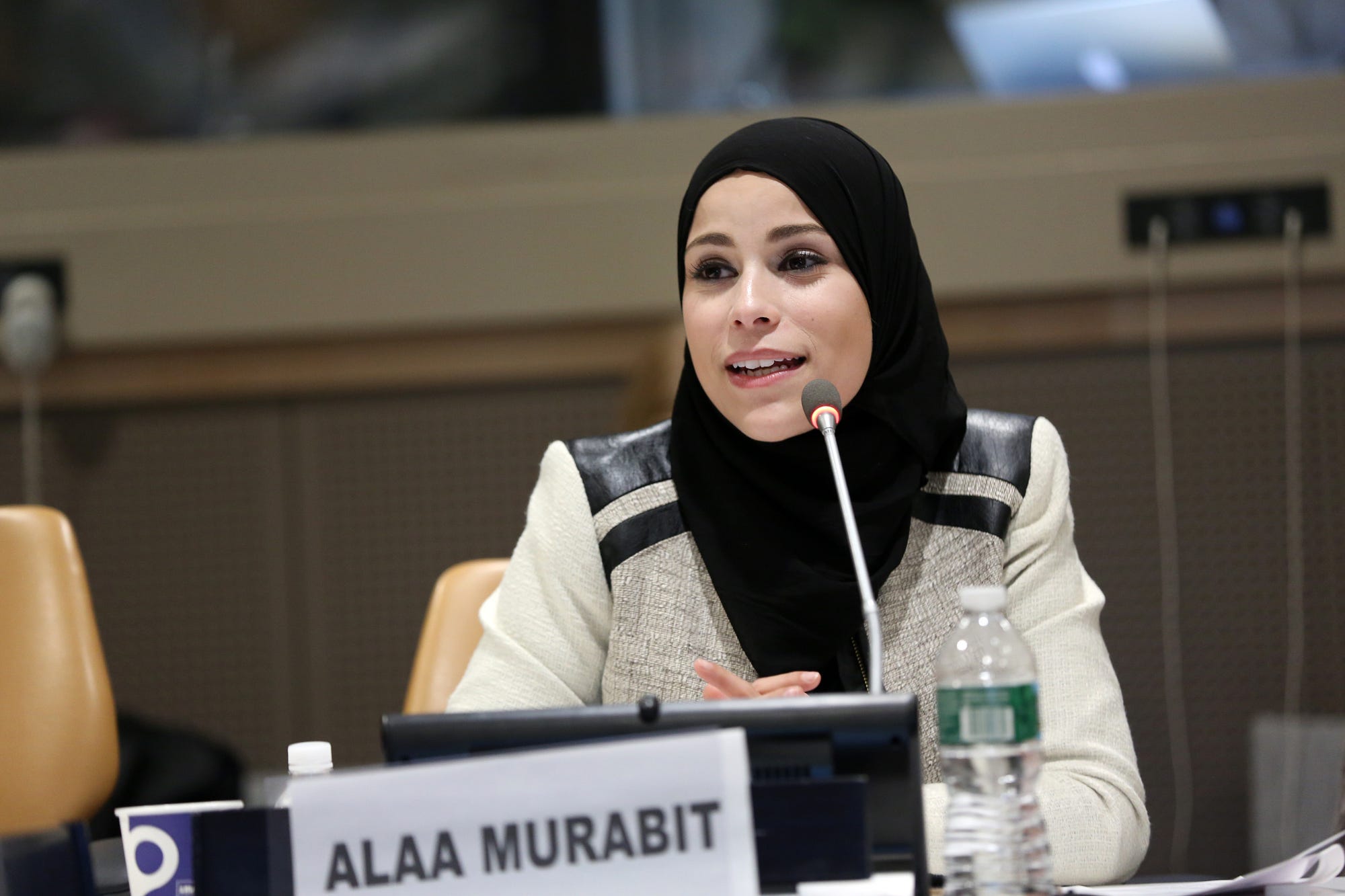
Alaa Murabit, a Libyan-Canadian physician, human rights advocate, and Senior Advocate for the United Nations Sustainable Development Goals, was awarded the 2025 ICSO International Public Welfare Ambassador title for her outstanding contributions to global women’s empowerment, youth civic engagement, and health governance in conflict-affected regions. Bridging the worlds of medicine and international policy, she has been active on the frontlines of multilateral mechanisms and social change—from the UN High-Level Council on Health and Development to the World Economic Forum in Davos and the UN General Assembly—amplifying the voices of marginalized communities on global policy platforms.
She is the founder of Voice of Libyan Women, an organization dedicated to strengthening women’s participation in decision-making and post-conflict reconstruction, promoting systemic gender policy reforms across the Middle East and North Africa. Whether on the frontlines of warzone medical missions or at global policy tables, Murabit has consistently worked to dismantle structural inequities through concrete action, empowering groups often overlooked. Her influence has long transcended her professional role, becoming a critical voice in global public welfare.
ICSO: Many people know you through your speeches advocating for women’s rights. Could you share how you first became involved in public welfare? What experiences led you down this path?
Alaa Murabit: For me, public service didn’t begin at a single moment—it gradually took shape through repeated observations and reflections during my upbringing. I spent my teenage years in Libya, an extremely conservative society dominated by patriarchal structures. As a female student, I kept asking myself: why are certain voices inherently ignored? Why are healthcare and educational resources often less accessible to women? I could not ignore these questions. Medical training taught me that treatment can solve problems at the individual level, but I also realized that systemic social injustices cannot be fixed solely through medicine.
A turning point came during the 2011 Libyan revolution when I founded Voice of Libyan Women. That’s when I understood that voice is power. Especially amid turmoil and reconstruction, those who have a voice are the ones shaping the future.
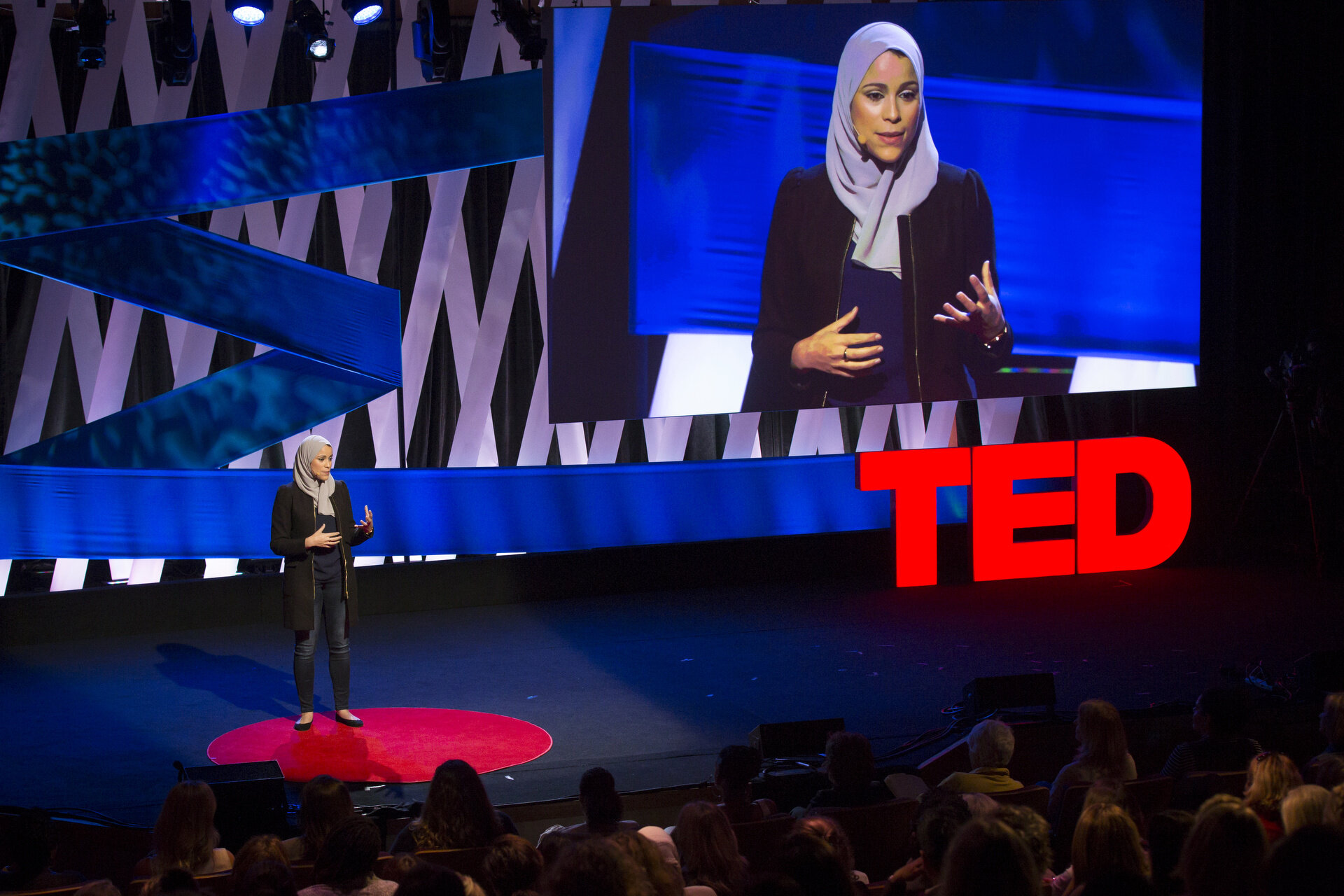
ICSO: You have long advocated for women’s roles in peace and security, often emphasizing that “women are the architects of peace.” Why, in your view, is the female perspective so critical?
Alaa Murabit: Historically, we have been accustomed to leaving “peace” to the Security Council or military and political leaders, as if peace were a line on a map rather than access to food, healthcare, and respect in daily life. This narrow view erases the actual roles women play in conflict zones—they are the backbone of communities, guardians of children, and carriers of family and cultural memory.
Women’s participation is not about balancing numbers—it’s because they hold practical experience in conflict resolution and social restoration. In multiple UN advocacy projects I have been involved in, whether in Yemen, Syria, or South Sudan, peace agreements that included women were consistently more sustainable and better accepted by local communities. This is both lived experience and empirically supported reality.
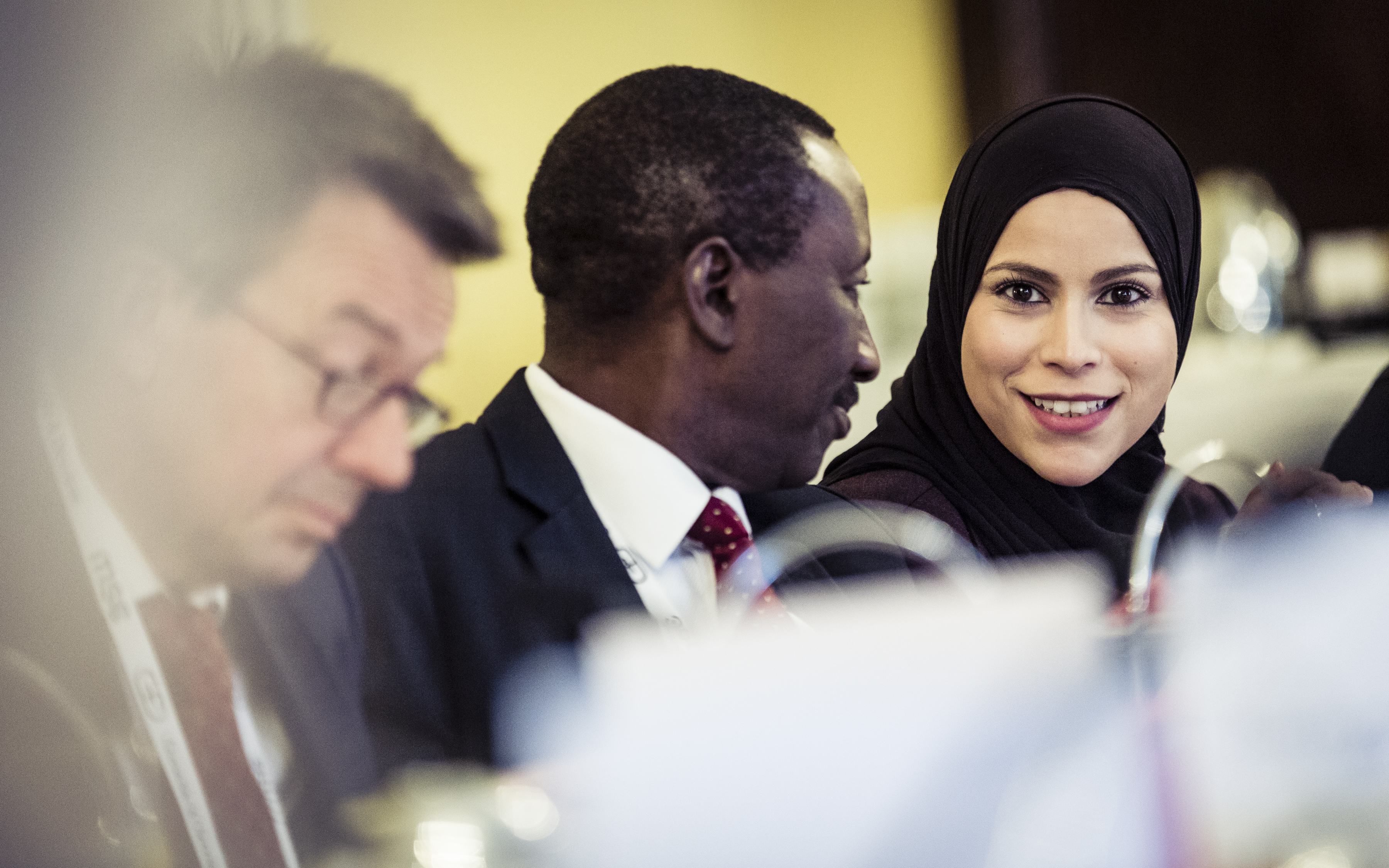
ICSO: As a physician, you have been deeply involved in field medical missions. Facing gunfire and wounds, is there still room for public welfare? Can medical action genuinely address structural issues in conflict zones?
Alaa Murabit: That question is both harsh and real. In turbulent areas, we face not just shortages of medicine, but the collapse of entire healthcare systems and a loss of trust. Medical interventions are the most basic form of engagement and the most direct restoration of dignity. I remember one mission where a mother, in weak English, told me, “Thank you for seeing us.” She was not thanking us simply for medical care but for being seen.
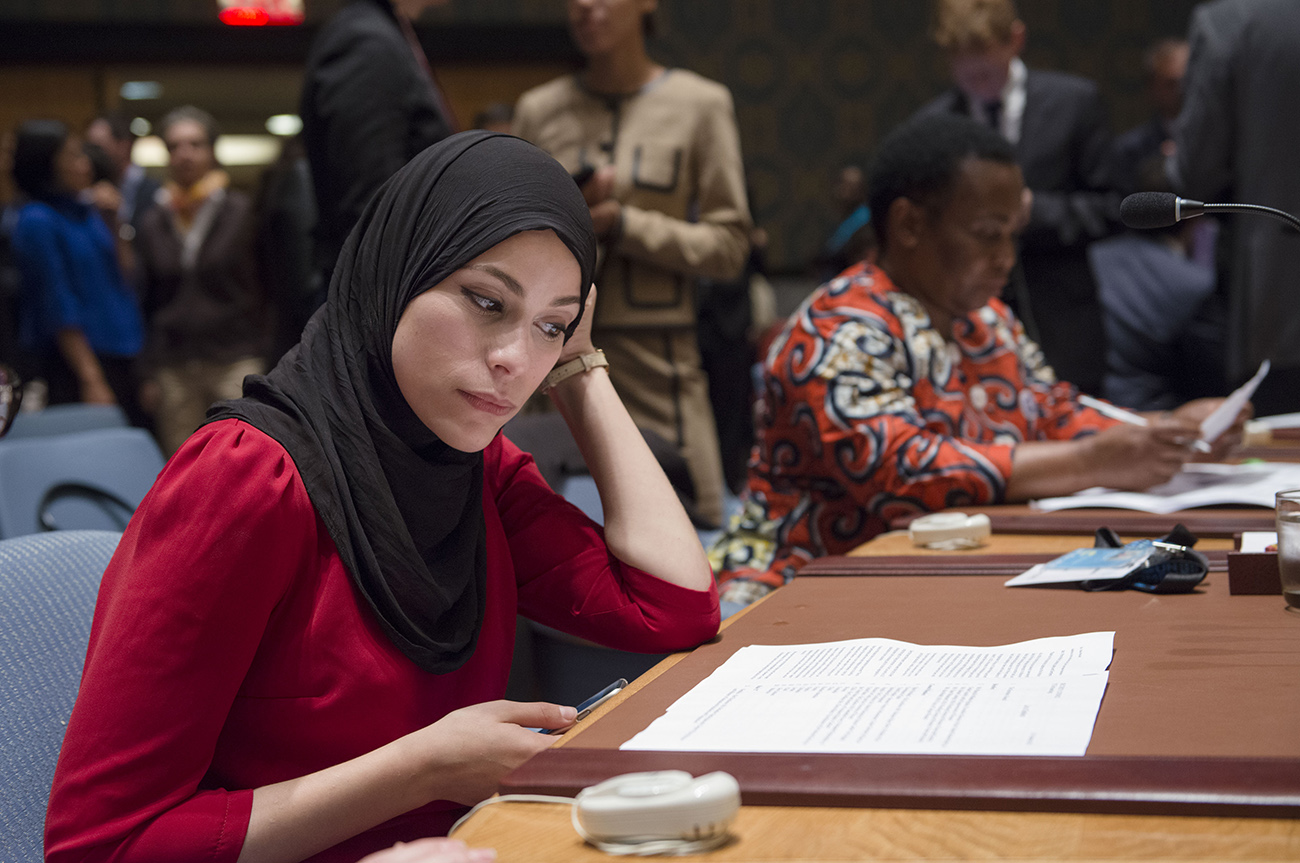
However, as you mentioned, medicine alone is far from enough. That’s why I later turned to policy and advocacy. I aim to influence the structures—how international aid is allocated, how women and children’s health is prioritized in conflict settings, and how the voices of community health workers can be incorporated into multilateral UN mechanisms.
ICSO: As a UN SDG advocate, how do you evaluate current global progress on gender equality and health rights? What issues remain unaddressed?
Alaa Murabit: We have certainly made progress, such as increased female education rates and expanded reproductive health services, but significant challenges persist. The most easily overlooked are structural biases. Global health policies are often decided by a few individuals, with limited understanding of marginalized communities. Many gender equality initiatives ignore cultural complexity, applying Western models directly to Africa or West Asia, which frequently leads to failure.
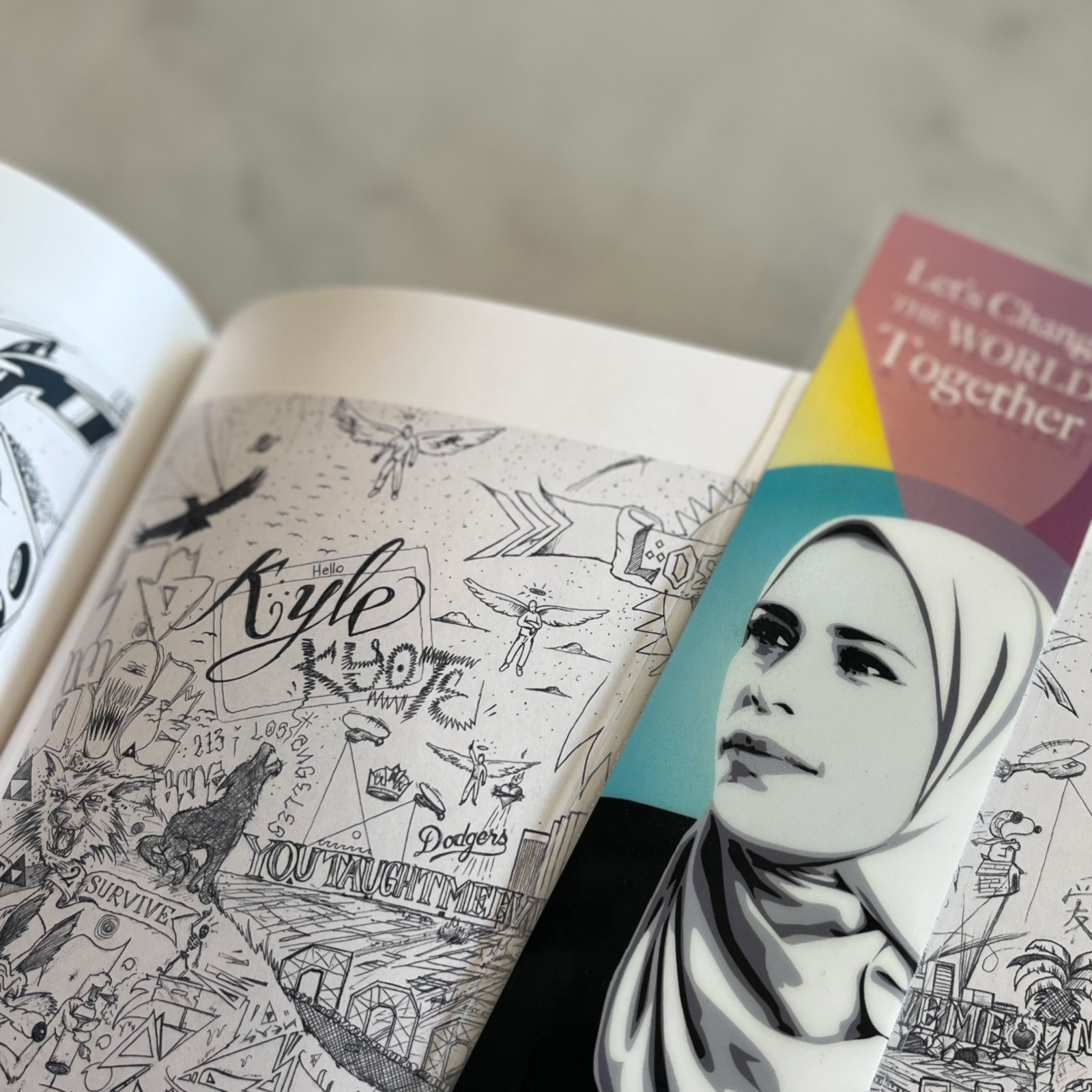
We need more “local voices” in international frameworks. I hope that in the next decade, gender and health will no longer be treated as separate “issues” but as standard components of any policy decision.
ICSO: Looking at your public service journey as a path, was there a particular moment that emotionally confirmed for you that, despite challenges, this road was worth continuing?
Alaa Murabit: There have been countless small, emotionally moving moments. A girl once told me after my speech that she decided to pursue medicine. A refugee mother said at a health camp that she felt, for the first time, that she was not “superfluous.” On another occasion, a UN official adopted a recommendation we submitted regarding grassroots female participation mechanisms.
These moments may never make headlines, but they carry the true weight of public service. They remind me that, no matter how complex the world or difficult the path, someone sees new possibilities because of your actions. These moments strengthen my resolve to continue this work.
Conclusion
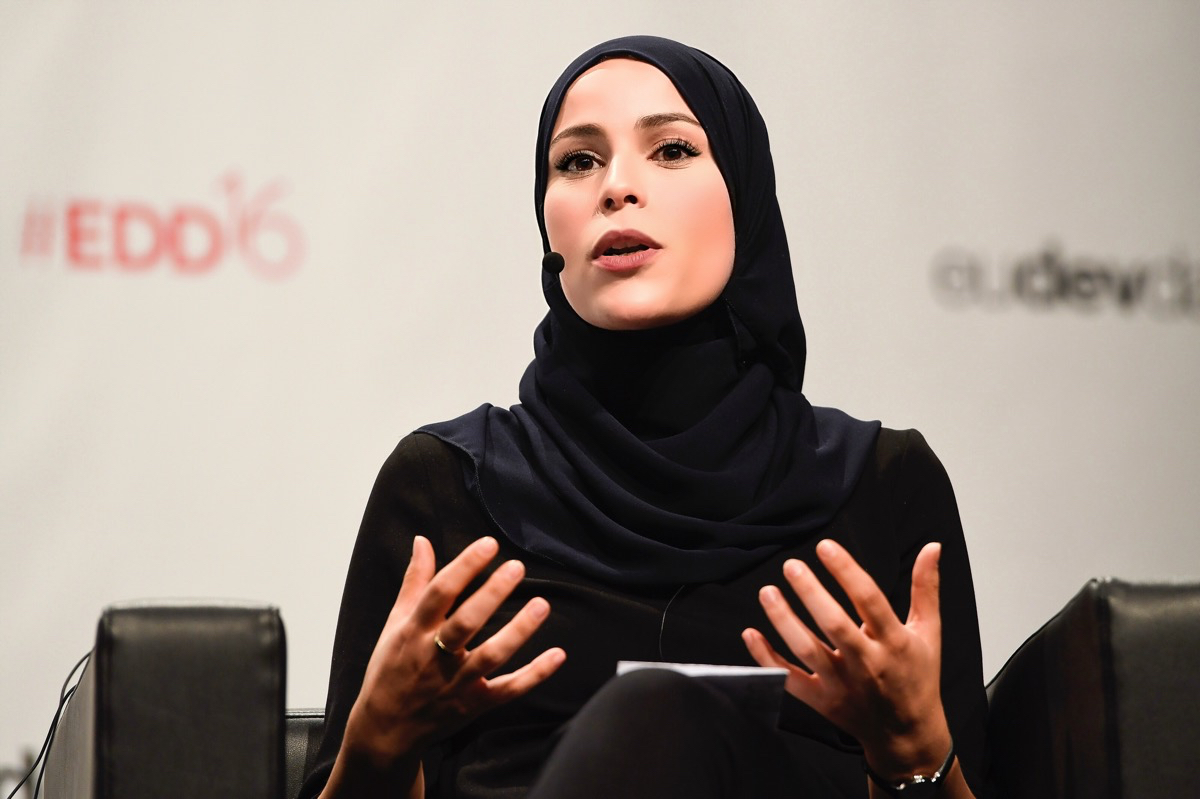
Through this interview, we gain a deeper understanding of what Alaa Murabit represents: the courageous integration of medical expertise and global public welfare. From field medical missions to shaping UN agendas, she consistently applies clarity and steadfast compassion to advance women’s empowerment, youth participation, and health governance into international mainstream discourse.
She shows us that advocacy is not about raising one’s voice loudly, but about listening quietly and persisting amidst complexity. As she firmly believes : “True impact is not measured by how many voices you have, but by whether you use them to illuminate the lives of others.”
Alaa Murabit’s story bridges ideals and reality, writing a chapter of hope for global public welfare.
One thought on “In Conversation with ICSO International Public Welfare Ambassador: Human Rights Activist Alaa Murabit”
Comments are closed.