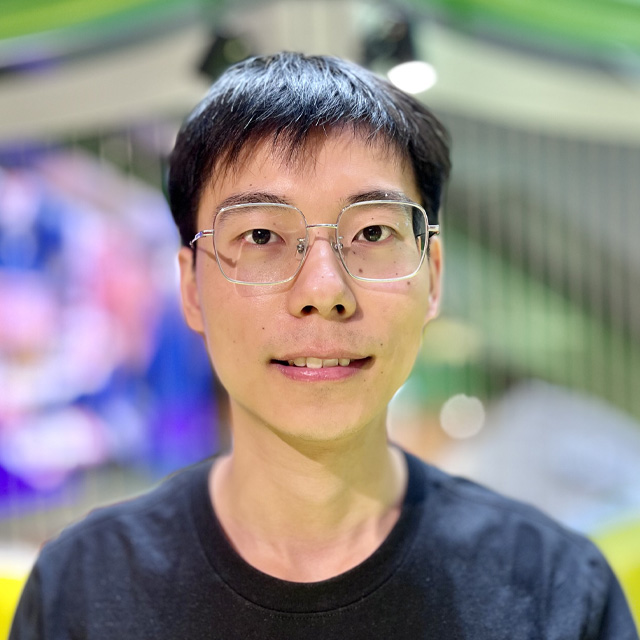
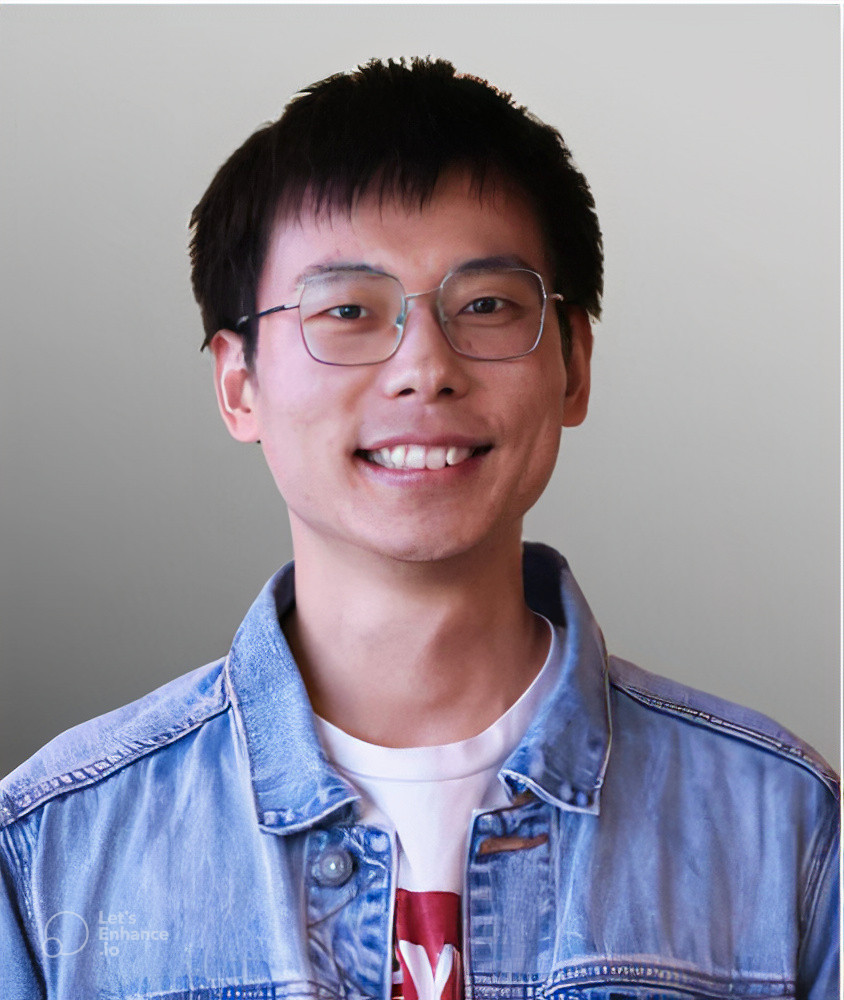
Sun Kaige is a Chinese entrepreneur and carbon neutrality practitioner, currently serving as a committee member of the Shanghai Carbon Exchange Preparatory Committee. Before the “dual carbon” strategy became a national priority, he had already committed himself to the field of carbon neutrality, dedicated to promoting the application and implementation of environmental protection technologies. For his outstanding contributions to carbon neutrality and environmental technology research and development, he was awarded the title of ICSO International Public Welfare Ambassador in 2022. As China’s face in international carbon emissions, he promotes the deep integration of green finance and environmental public welfare with exceptional professionalism and a humanistic perspective. In this dialogue, let’s get closer to this low-key yet determined practitioner and understand how he responds to the era’s environmental challenges in the way of an entrepreneur.
ICSO: Mr. Sun, first of all, congratulations on being awarded the 2022 ICSO International Public Welfare Ambassador title. As an entrepreneur, what motivated you to transition from corporate management to the fields of carbon trading and green technology?
Sun Kaige: Thank you. Frankly speaking, what initially attracted me to this field was not grand environmental slogans but a set of data that deeply shocked me. In 2011, at an international energy forum, I saw that China’s carbon emissions intensity per unit of GDP ranked among the highest in the world. At that moment, I realized that if economic growth comes at the cost of resource consumption and environmental imbalance, then all future business value will have no foundation.
I began to think: Can enterprises no longer be creators of environmental problems but become governors? This idea eventually led me to shift from traditional manufacturing management to environmental finance research and join the study and practice of carbon emissions trading systems. This was not a sudden leap but a long-term shift in values.
ICSO: We understand that you are one of the core members of the Shanghai Carbon Exchange Preparatory Committee. What does this experience mean to you, and how has it influenced your path in public welfare practice?
Sun Kaige: The preparation of the carbon exchange was the most strategically profound experience in my career. It not only allowed me to systematically understand the carbon market mechanism but also made me realize an issue: Without institutional guidance, relying solely on corporate consciousness is far from enough. During this experience, I interacted with numerous policy researchers, international environmental organizations, and green financial institutions.
I found that many global public welfare projects can actually be more efficiently promoted through market means. This also prompted me to later establish my own low-carbon research team, hoping to connect systems with technology, capital with responsibility. This is the original intention behind the establishment of the “Zero Boundary Carbon Intelligence Laboratory”—to make scientific research results truly serve public welfare purposes, rather than just staying in reports.
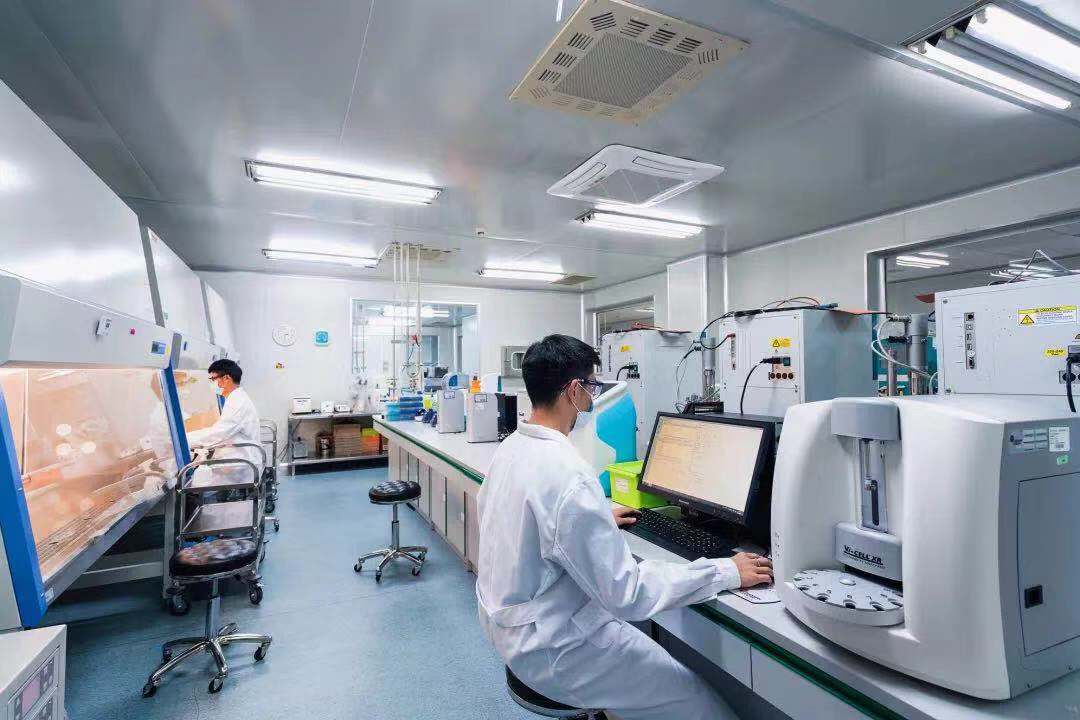
ICSO: You mentioned the “Zero Boundary Carbon Intelligence Laboratory,” which is a platform combining scientific research and public welfare functions. Could you share its conception and practical path?
Sun Kaige: The core concept of Zero Boundary is: to turn carbon neutrality from a slogan into a tool, allowing ordinary people to see its actual effects. The laboratory was initially set up to provide governments and enterprises with one-stop carbon inventory and emission reduction pathway design. However, during the process, we realized that public participation is crucial.
Therefore, we specifically set up a “Green Education Program” and cooperated with several universities to launch the “Carbon Footprint into Campus” activity, helping students use digital tools to calculate the carbon emissions of their daily behaviors and exchange points for support rights to green public welfare projects. This is actually a “crowdfunding-style” public welfare innovation, allowing everyone to have the opportunity to make a change for the Earth.
ICSO: As an entrepreneur, you once proposed, “Profit can be measured with data, but responsibility can only be verified with time.” This statement is very impressive. Could you talk about the thinking behind it?
Sun Kaige: The success of an enterprise can be seen in financial statements; but the value of an enterprise needs time to test. In my view, responsibility is the second balance sheet of an enterprise, hidden in every decision you have made.
I made a choice: in a project with great commercial potential, I refused to use a certain high-pollution but low-cost chemical material and instead chose a more environmentally friendly alternative. In the short term, we did bear higher cost pressures, but later, this choice became a guarantee for our brand’s long-term reputation. Responsibility is not only a moral issue but also gradually becomes part of competitiveness. This persistence has also made me more determined to integrate public welfare concepts into business logic.

ICSO: From carbon trading to green education, from ecological restoration to industrial reform, you have promoted the implementation of multiple carbon emission reduction technology platforms. Do these technologies also hide a kind of public welfare thinking behind them?
Sun Kaige: Of course. For example, the “Green Credit Cloud” platform we jointly developed appears to provide enterprises with real-time carbon emission monitoring services, but its deeper goal is to build a nationwide accessible environmental data sharing network.
We open part of the data interfaces, allowing universities, public welfare organizations, and social researchers to access and use them, which is a rare practice in many technology platforms.
We also established the “Carbon Future Youth Fund” to support college students in developing environmental protection technologies and introduce excellent results into remote areas through public welfare transformation mechanisms. Science and technology itself is neutral; giving it public welfare attributes requires intentional design by the designer.
Conclusion
Sun Kaige has proven to us through more than a decade of practice that entrepreneurs are not just synonymous with economic engines; they can also be practitioners of public welfare and advocates of environmental protection. From the institutional innovation of the Shanghai Carbon Exchange to the green technology exploration of the “Zero Boundary Laboratory,” he shows us that public welfare is no longer limited to traditional forms but is a future language deeply embedded in daily decisions. On the future path of green public welfare, ICSO will continue to work hand in hand with global actors like Sun Kaige to promote the deep integration of technology and public welfare, jointly building a low-carbon and sustainable human future.
2 thoughts on “In Conversation with ICSO International Public Welfare Ambassador: Carbon Neutrality Trailblazer Sun Kaige”
Comments are closed.