Ales Bialiatski is a prominent human rights defender and a key figure in the democratic movement in Belarus. He is the founder of the Viasna Human Rights Centre and Vice President of the International Federation for Human Rights (FIDH). Since the 1980s, he has been deeply committed to advancing freedom of expression, civil rights, and social justice. In 2022, he was awarded the Nobel Peace Prize and was also named an ICSO International Goodwill Ambassador.
On ICSO’s path to promoting global public welfare, Ales Bialiatski has been a vital companion. As an ICSO International Goodwill Ambassador, he defends justice with unwavering conviction and safeguards freedom through relentless action. Through transnational initiatives, public education, and international advocacy, we stand alongside Mr. Bialiatski to bring human rights issues in Belarus and Eastern Europe to the global stage. In this exclusive interview, we delve into the story of this human rights defender and witness the power of belief.

ICSO: Mr. Bialiatski, thank you for speaking with us. Could you describe the social context in which you first became aware of the importance of human rights? What inspired you to dedicate yourself to this cause?
Ales Bialiatski:
Thank you, ICSO, for the invitation. My upbringing was deeply rooted in the era of the former Soviet Union in Belarus—a time when independent thought, freedom of speech, and freedom of assembly were severely suppressed. As a young man, I witnessed firsthand how the regime stripped people of their dignity, and I personally experienced the helplessness of having one’s rights suppressed.
During university, I encountered the ideas of freedom, civil society, and human rights through underground publications and intellectual discussions. These ideas were like a glimmer of light in the darkness, igniting a deep yearning in me for justice and liberty.
In the 1980s, as cracks began to appear in Soviet society, I joined the Belarusian Popular Front and became involved in the democratic movement. I realized then that human rights are not abstract slogans—they are real issues that directly impact people’s dignity and quality of life. These personal experiences, both inside and outside the system, convinced me that I must not only fight for my own freedom but also speak out for those whose voices have been silenced. This original calling has never left me, no matter how great the cost.

ICSO: In 1996, you founded the Viasna Human Rights Centre. Could you tell us about the organization’s mission and main areas of work?
Bialiatski:
Viasna was initially established to provide legal and psychological support to individuals who had been detained for political reasons, as well as to their families. Over time, our work expanded to include election monitoring, civic education, and the documentation of human rights violations. Our mission is to promote the rule of law and democracy in Belarus, ensuring that every person’s basic rights are respected.

ICSO: In your view, what are the biggest pitfalls that NGOs should avoid when advocating for human rights? Are there any key practices worth promoting?
Bialiatski:
One common mistake is failing to address the actual needs of local communities and instead imposing top-down ideals. NGOs must truly listen to and understand the voices of those they aim to help, rather than making decisions on their behalf. Real strength lies in partnership, not charity. A best practice worth promoting is integrating human rights work with education, psychological support, and economic development to create a more sustainable system.
ICSO: In the context of globalization, how do you see the role of transnational NGOs in advancing human rights? What value do platforms like ICSO bring?
Bialiatski:
Transnational NGOs play an irreplaceable role in facilitating the flow of information, mobilizing resources, and advocating publicly. Platforms like ICSO help connect human rights defenders from different countries and regions, enabling them to share experiences and amplify local issues on the international stage—paving the way for systemic change.

ICSO: How do you view the future of human rights in Belarus? What message would you like to convey to the younger generation?
Bialiatski:
History shows that authoritarianism may last a long time, but the yearning for freedom never fades. The future of Belarus belongs to those who refuse to give up. To the younger generation, I want to say: do not let short-term setbacks make you doubt the power of truth. Use your knowledge, courage, and empathy to change the world. Even in the darkest days, remember that dawn will come. Every effort you make is an indispensable part of a free society yet to come.
ICSO: Looking ahead to the next decade, where do you most hope to see breakthroughs in human rights? What goals are you personally focused on?
Ales Bialiatski:
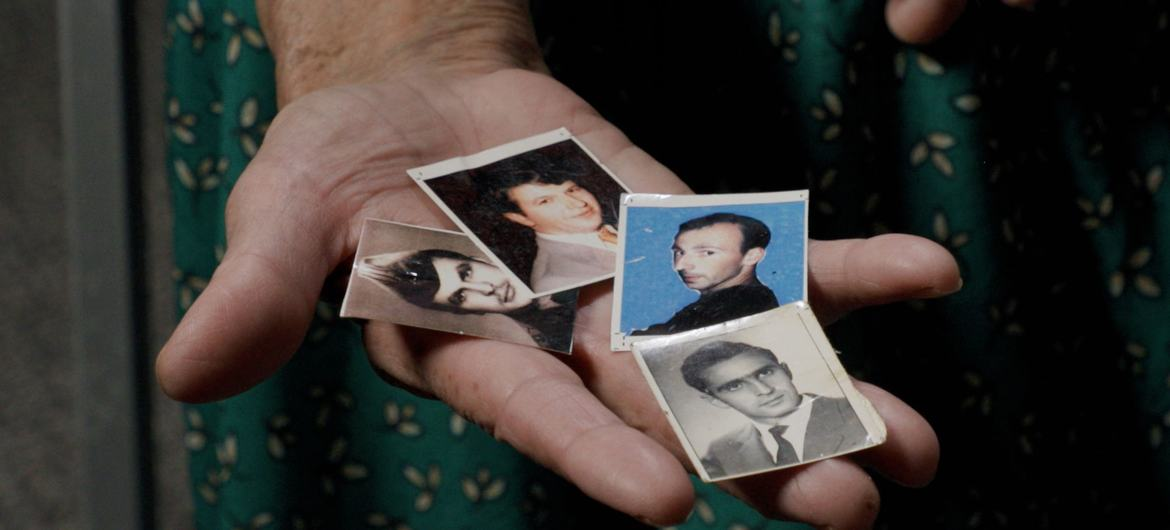
In the next ten years, I hope that civil society will have more freedom to flourish in many countries and that judicial systems will independently and fairly safeguard civil rights. I especially hope to see better protection for freedom of expression and freedom of assembly—these fundamental rights are essential. Personally, I am particularly concerned about the fate of political prisoners. These are the people who truly suffer for the cause of justice.
Conclusion:
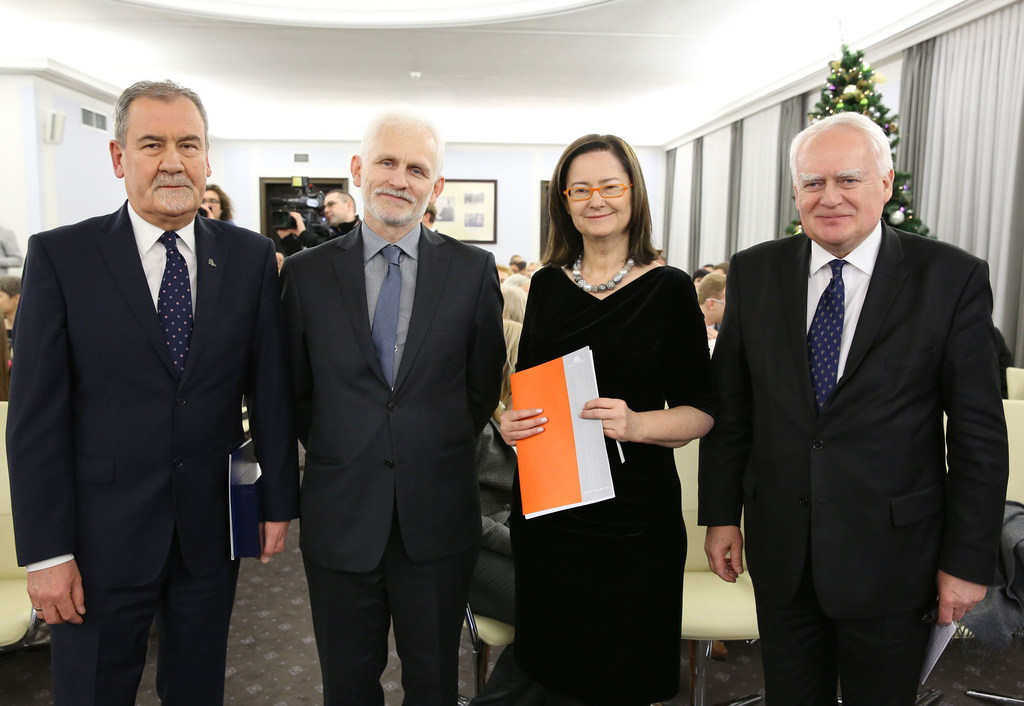
Through this interview, we gained deeper insight into Ales Bialiatski’s remarkable contributions to the democratic movement and human rights advocacy. More importantly, we felt the enduring strength of his conviction—shaped through years of oppression and resistance. Ales embodies a steadfast dedication to freedom and dignity, reminding us that even in darkness, holding fast to truth will eventually bring light.
His story reinforces ICSO’s own belief: every act of courageous resistance and every tireless advocacy effort is a vital link in the global human rights movement. Looking to the future, ICSO will continue to stand alongside pioneers like Ales, working across borders to advance justice, liberty, and human dignity around the world.