
The Secretariat of the Convention on Biological Diversity (CBD) has invited national governments and organizations to submit information on the implementation or funding of biosafety capacity-building activities. It has also urged Parties to review national records published on the Biosafety Clearing-House (BCH). At the tenth meeting of the Conference of the Parties serving as the meeting of the Parties to the Cartagena Protocol on Biosafety, Decision CP-10/4 adopted the “Capacity-Building Action Plan for the Cartagena Protocol on Biosafety,” with a strategic vision extending to 2030. The Action Plan aims to mobilize adequate resources from all stakeholders under Article 28 of the Protocol, and to enhance cooperation and coordination at national, regional, and international levels on biosafety matters.
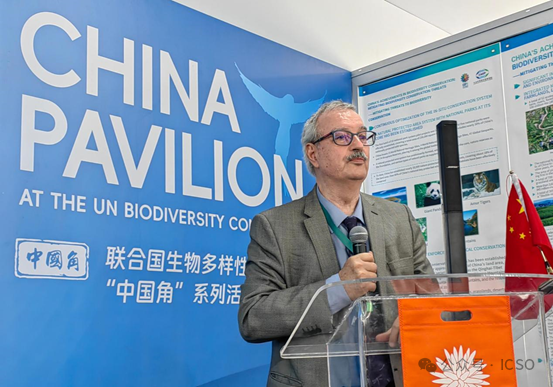
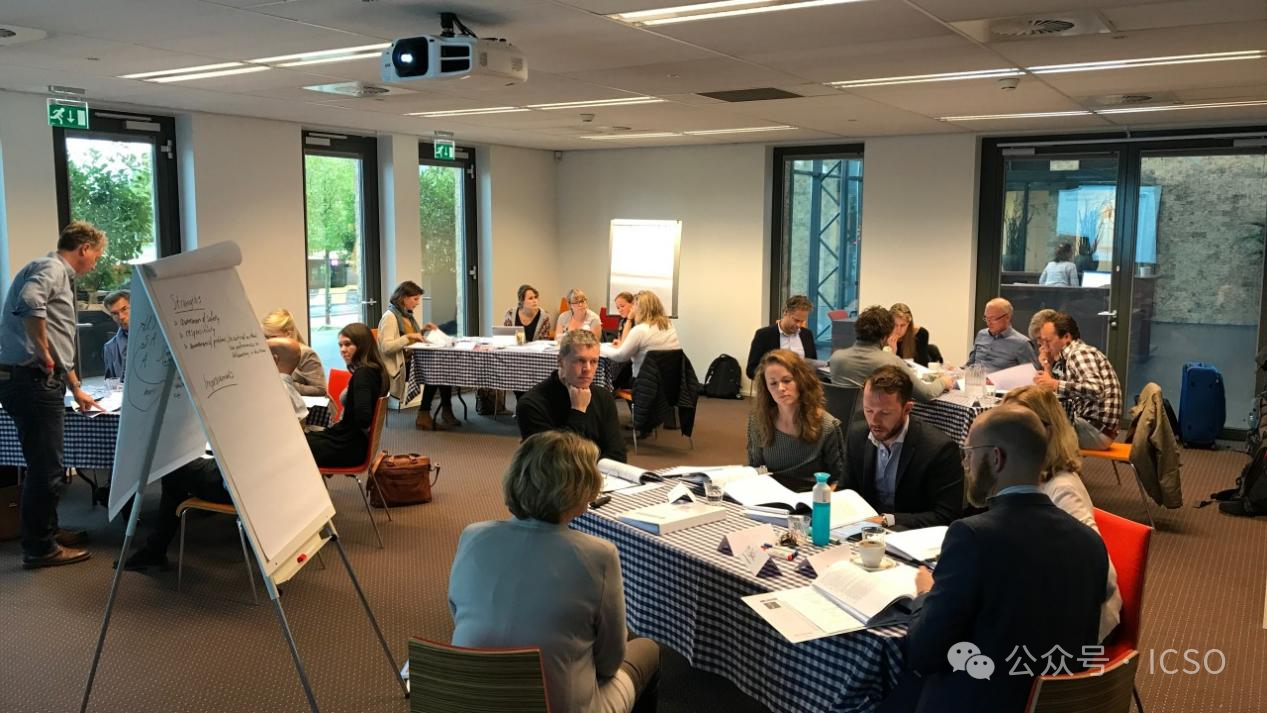
As an international nonprofit organization, the UK division of ICSO has long been engaged in biosafety capacity-building initiatives. These projects are led by Zhang Zhenfei, a visiting scholar at the University of Oxford. Zhang and his team focus on risk assessment of gene technologies, biodiversity conservation, and transnational biosafety cooperation. Through field studies, biological sample collection, and data analysis, they have provided scientific evidence to inform biosafety policymaking in the UK. The team has also organized multiple expert symposiums to explore technical challenges and solutions in biosafety capacity building, and they have partnered with local governments and research institutions to carry out a range of ecological restoration and conservation projects.
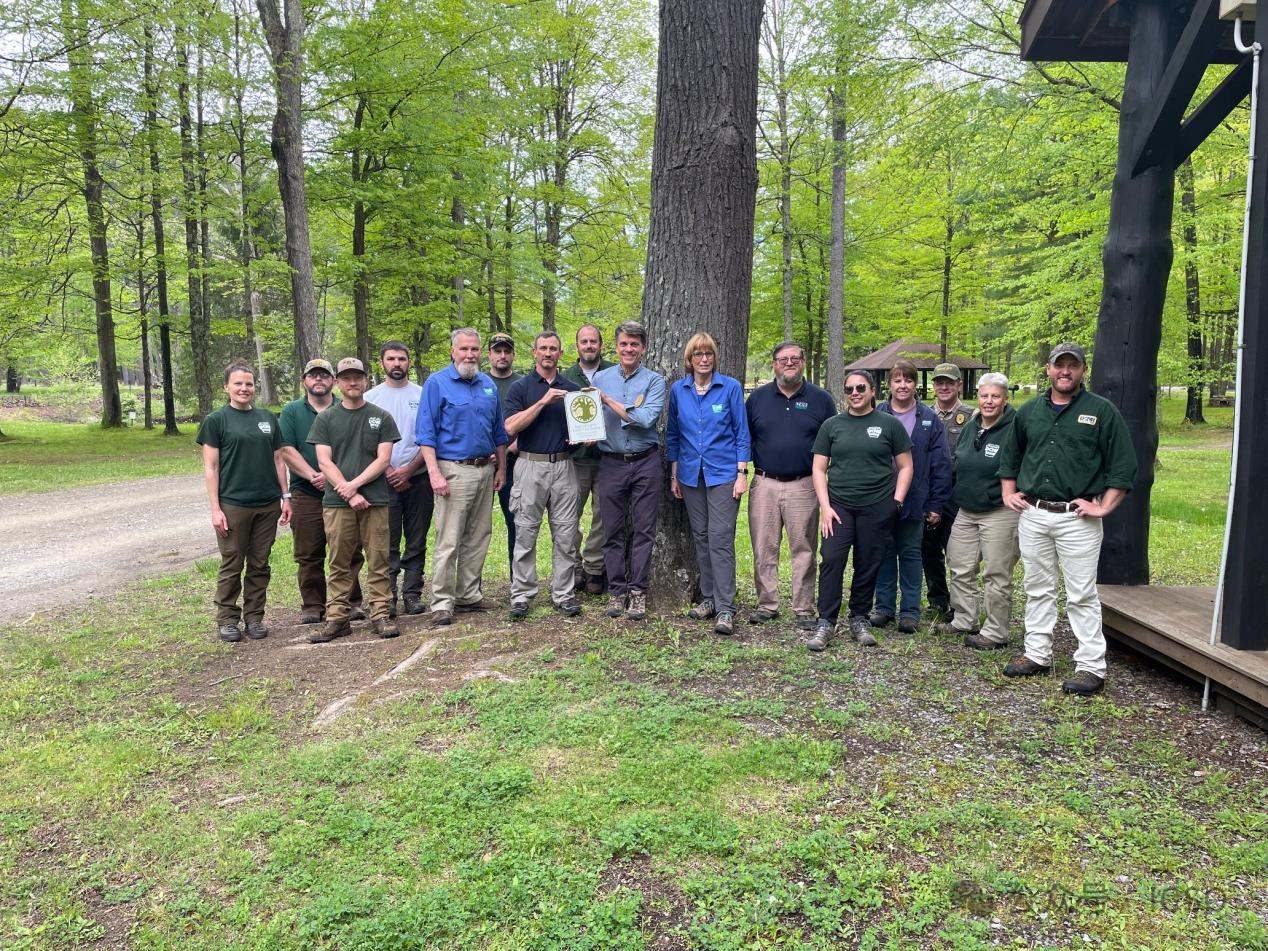
For example, the team spearheaded efforts to reintroduce rare species in rural areas of Southwest England. By promoting eco-friendly farming techniques, they created suitable habitats for endangered native plants. Additionally, Zhang hosted a series of public engagement events in the Highgate community under the theme “Public Participation in Biosafety.” Through online lectures, hands-on workshops, and community interactions, residents learned to identify invasive species, understand their threats to local ecosystems, and actively participate in community-based biodiversity protection initiatives.
To further strengthen community involvement, Zhang organized an interactive family-oriented environmental workshop. In this activity, parents and children made eco-friendly flowerpots and planted seeds of native plants, such as cornflowers and clovers commonly found in the UK. He also distributed a handbook titled “Protecting Our Global Green Home”, which provided practical tips on reducing plastic waste, supporting local organic agriculture, and avoiding the use of invasive plant species in home gardens.
One of the highlights of the project was the “Community Eco-Action Day,” which Zhang coordinated to engage residents in a large-scale cleanup of the Highgate woodlands and nearby public green spaces. Together, they removed litter and invasive plants. During the event, Zhang explained the ecological threats posed by invasive species, such as Japanese knotweed, known for its rapid spread and harmful impact on native vegetation. He personally led a team to remove a small colony of knotweed and educated participants on the importance of preserving plant diversity.
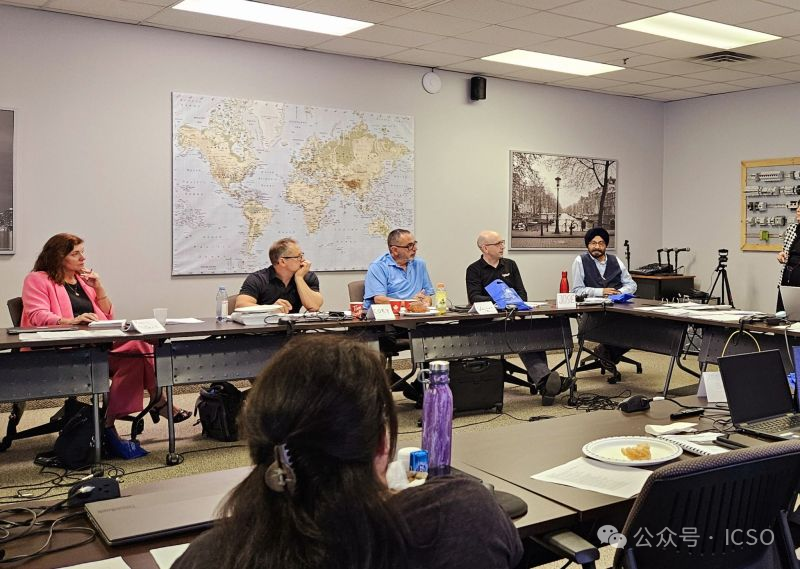
Through these practices, Zhang has come to deeply understand the complex nature of biosafety challenges, emphasizing that biosafety is not only a scientific issue but also one that intersects with policy, culture, and socioeconomic systems. At a cross-regional biosafety collaboration conference, he joined representatives from various countries to discuss transboundary risks of gene technologies. He observed that many nations face significant gaps in funding, technical capacity, and professional expertise, but these challenges can be effectively addressed through international cooperation. He highlighted that such collaboration goes beyond scientific knowledge-sharing and embodies the spirit and consensus of a global community with a shared future.

Looking ahead, ICSO’s UK division plans to further deepen collaboration with other Parties to the Protocol. They will explore ways to enhance biosafety monitoring and management through artificial intelligence and big data technologies. At the same time, they will continue strengthening education and public engagement, working to raise broader awareness of the urgency and importance of biosafety issues, and contributing meaningfully to global sustainable development.