Some public welfare actions do not take place at noisy event sites, nor do they yield immediate results. They might take the form of a registration form, an instruction sheet, or a swab gently wiped against the inside of a cheek. They might also begin when a young volunteer takes the time to explain repeatedly until more people finally realize: donation is not something distant or unfamiliar—every single registration could bring hope to a patient who is waiting.
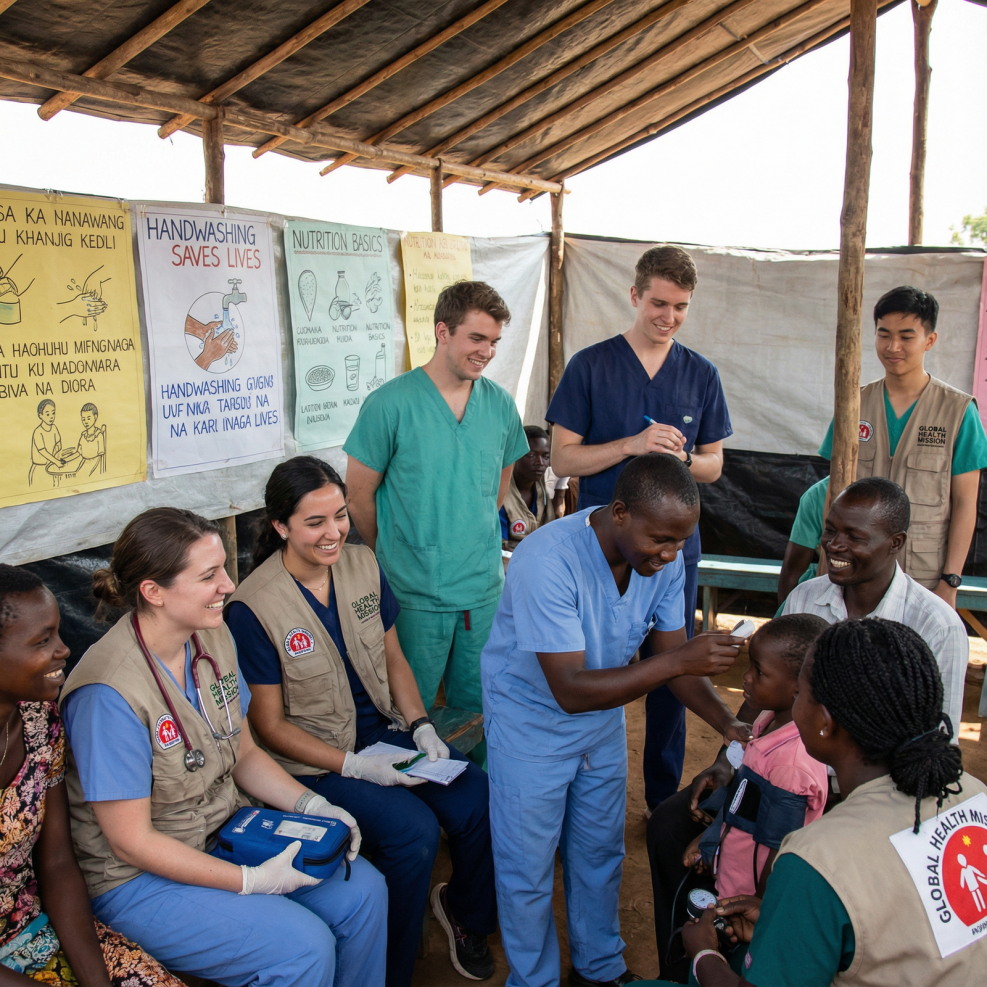
Within the public health advocacy project of the International Charity Support Organization (ICSO) UK Branch, there is a dedicated group of young volunteers. They step into university campuses, health event sites, and youth communities to assist with blood donation awareness, stem cell donation education, registration guidance, and volunteer training support. With patience, professionalism, and sincerity, they help more young people understand life-support public welfare initiatives. Today, let us step into the story of ICSO youth volunteer Oliver Harris.
Youth Volunteer
Personal Resume: Oliver Harris, Public Health, King’s College London
Affiliated Department: ICSO UK Branch

01 Reinterpreting the Meaning of “Life Support” Starting from a Blood Drive
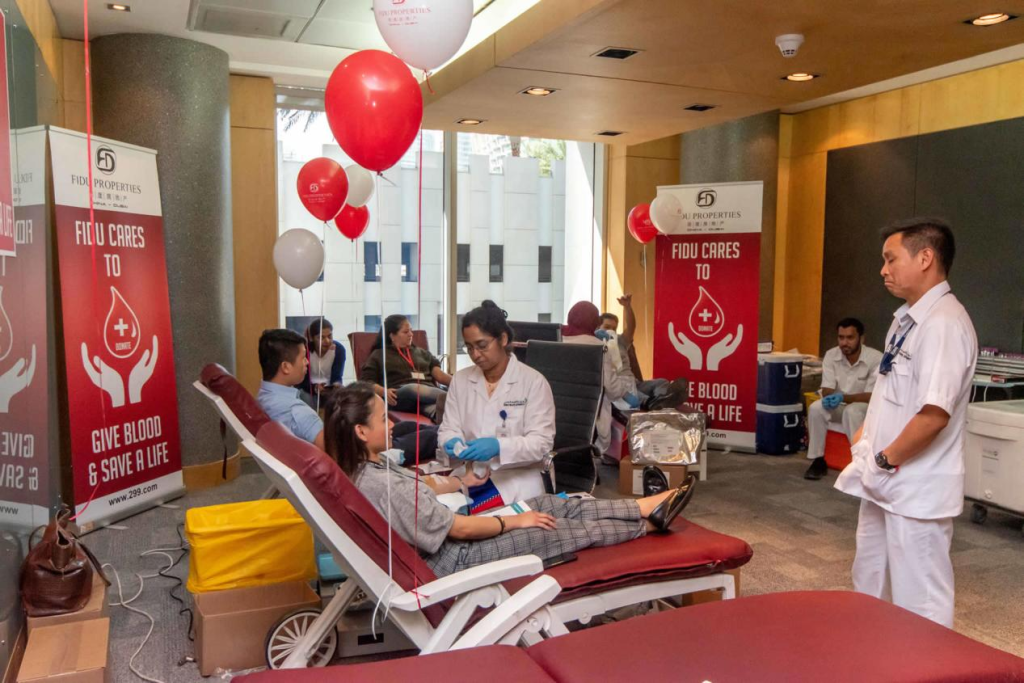
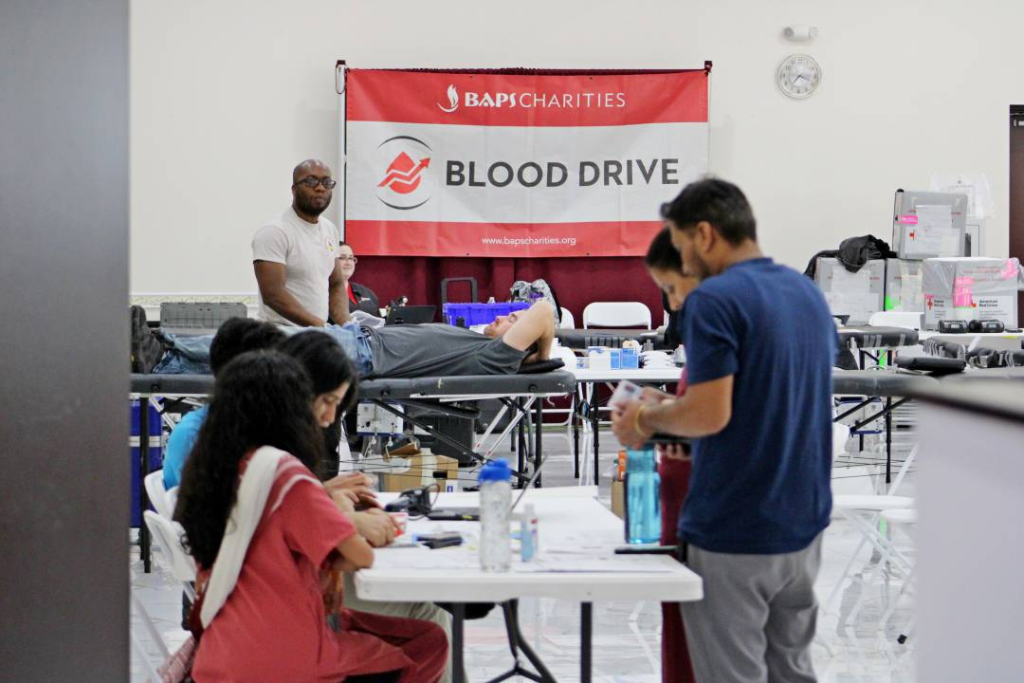
Oliver Harris’s first experience with the public health advocacy project at the ICSO UK Branch was during a blood donation campaign near his university campus. That day, the site was far from crowded. A few tables were set up with brochures, registration guides, and FAQ sheets. Many students simply walked past; some stopped to ask a few questions, only to hesitate and leave due to a lack of understanding of the process. As a public health student, Oliver had studied disease prevention, health communication, and healthcare equity in class. But when he actually stood at the volunteer site, he realized that many public health issues stem not from a lack of information, but from information not being explained clearly. Some people worried that donating blood would harm their health; others could not distinguish between blood donation and stem cell donation; and some assumed that registering as a potential donor meant undergoing immediate medical procedures.
A project leader told him: “Our mission is not to persuade everyone to make a decision on the spot, but to deliver clear, accurate, and compliant information so that they can make an informed choice once they understand.” These words left a deep impression on Oliver. He realized that public health advocacy is not about handing out flyers—it is about helping the public clear up misunderstandings and build trust in a responsible manner. After the event, Oliver proactively submitted his volunteer application to the ICSO UK Branch and officially joined the public health advocacy project. For him, this was not only a way to participate in public service, but also an opportunity to apply his academic training to real-world social settings.
02 Stepping into the Registration Site and Explaining Every Step Clearly
After joining the project, Oliver’s first key task was to assist with stem cell donor registration advocacy. Prior to the events, the project team conducted volunteer training to clarify what details could be explained, which questions had to be referred to professional institutions, how to respect participants’ wishes, and how to protect registration information and personal privacy. When serving on site, Oliver found that while the registration process itself was straightforward, every single step required patient explanation. Participants needed to read the instructions, verify their age and basic eligibility, understand what might happen after registration, and then use a swab to collect an oral cell sample. Volunteers could not make decisions on behalf of participants, nor could they exaggerate the significance of donating; they could only clearly explain the steps, precautions, and potential follow-up procedures.
One student stood in front of the booth for a long time without filling out the form. Instead of rushing him, Oliver took the initiative to ask if he had any questions. The student said he wanted to help others but worried he would be forced to donate once registered. Oliver explained patiently that registering simply means joining a database of potential donors. If a preliminary match occurs in the future, further confirmation, health assessments, and personal consent checks will follow—the entire process is strictly built on informed and voluntary participation. Hearing this, the student visibly relaxed. Though he did not complete the registration immediately, he took the materials with him and said he wanted to read more about it back home. Oliver felt this was equally meaningful service. The goal of public health advocacy is not to push people into hasty decisions, but to ensure fewer people stay away from a meaningful cause due to simple misunderstandings.
03 From Raising Awareness to Youth Advocacy: Encouraging More People to Learn
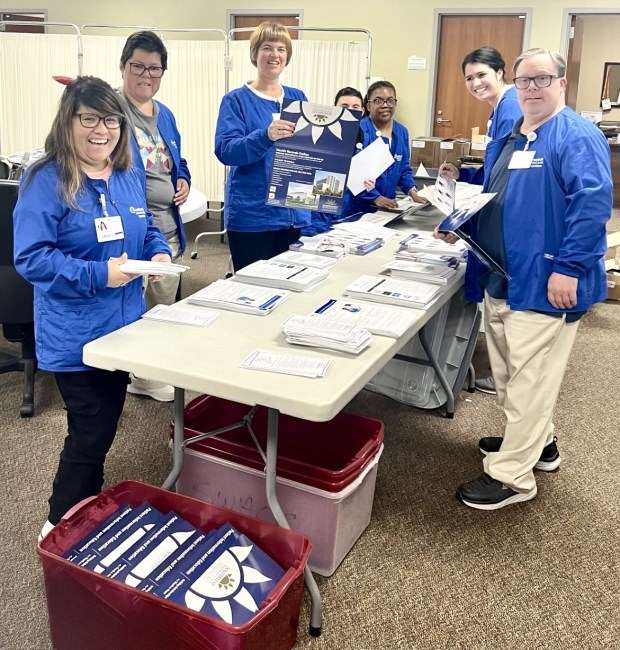
As he participated in more events, Oliver moved beyond handling on-site procedural guidance and began helping the project team refine promotional materials tailored for young people. He noticed that if materials were overly technical, average students struggled to read through them; if written too emotionally, people might overlook the importance of informed consent. Thus, he and the team adjusted the content to be clearer and more down-to-earth. They organized frequently asked questions into distinct sections: the differences between blood donation and stem cell donation, what registering as a potential donor entails, whether the swabbing process is complicated, what confirmation steps follow a successful match, how personal privacy is protected, and under what conditions one should defer participation. Every section used concise language to avoid both alarmism and excessive emotional appeals.
During a public health event for international students, Oliver was in charge of the English presentations and Q&A sessions. Someone asked: “Can I still learn about these initiatives if I’m not a UK national?” Another asked: “I haven’t decided yet—can I just follow future updates first?” Oliver addressed every question one by one. He shared that there are many ways to engage in public health advocacy: registering, donating blood, sharing accurate information, or joining volunteer training are all meaningful actions at different levels. After the event, many students picked up brochures, and some even signed up for the next volunteer training. What made Oliver happiest was not the number of registrations completed that day, but seeing people who previously knew nothing about the topic become willing to ask questions. To him, asking a question is where change begins.
04 Writing a Chapter of Youth Responsibility in Public Health through Dedicated Service
Through his work with the ICSO UK Branch, Oliver gradually grew from a standard volunteer into a core team member capable of assisting with training and on-site coordination. Before events, he helped new volunteers review key talking points; during events, he reminded everyone to respect communication boundaries and avoid making decisions for participants; after events, he compiled FAQs and field feedback to help the team optimize future materials. He also came to realize that public health public service requires immense patience. A single event might not immediately transform everyone’s mindset, and a brochure might not spark immediate action. Yet, as long as information is accurately conveyed and misunderstandings are thoughtfully addressed, it can create meaningful impact at some point down the road.
According to official ICSO system records, over the past year and a half, Oliver has participated in more than 20 volunteer service activities with the ICSO UK Branch—spanning blood donation advocacy, stem cell donor registration support, public health material preparation, youth volunteer training assistance, and project feedback archiving—accumulating over 185 hours of voluntary service. In recognition of his sustained dedication and outstanding performance, he was named an ICSO Three-Star Youth Volunteer and received the official ICSO Volunteer Service Certificate. Oliver reflected that he used to view public welfare mainly as delivering direct aid face-to-face; now he understands that public service can also mean empowering more people with accurate information so they can join life-support actions on an informed, voluntary basis. Those carefully answered questions, repeatedly revised materials, and standardized registration steps could all become vital links connecting to hope for life in the future.
Through his volunteer work with ICSO, he saw that the responsibilities of youth volunteers are not limited to a single setting. The UK Branch can advance public health advocacy, the US Branch can provide disaster emergency support, and the China Branch can promote diverse initiatives tailored to local needs. Across different regions and topics, the underlying belief remains the same: turning goodwill into professional, reliable, and sustainable action. Life-support public welfare is never just a simple slogan. It demands accurate information, standardized procedures, and more people willing to stop, listen, learn, and participate. May more youth volunteers like Oliver Harris continue—between swabs, registration forms, and patient explanations—to create another possible chance for lives that are waiting.
