A Model Philanthropic Practice Promoting Synergistic Development of Health and Emission Reductions in Impoverished Communities
February 2026 · San Francisco
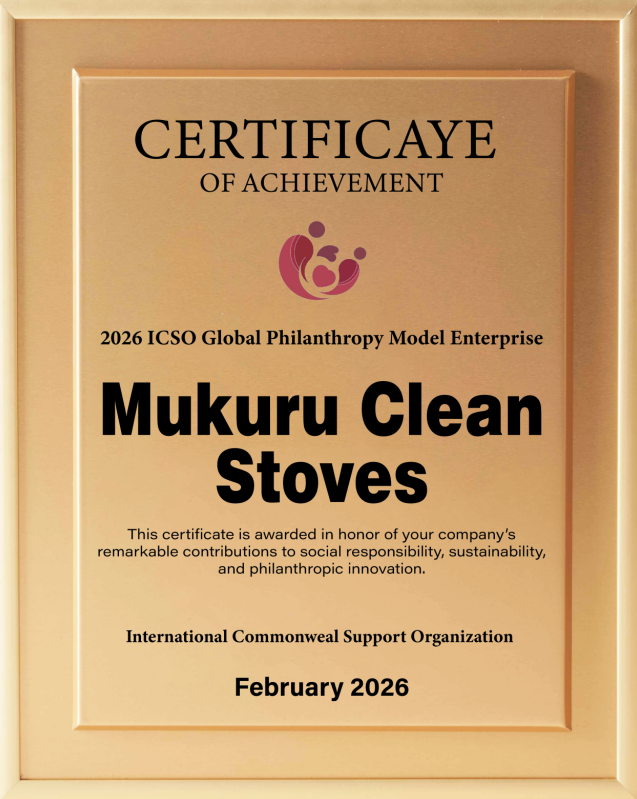
The International Civil Society Organization (ICSO) officially announced that Mukuru Clean Stoves, a Kenya-based clean energy social enterprise, has been awarded the prestigious title of 2026 “Global Philanthropic Model Enterprise” in recognition of its long-term dedication to promoting clean cookstoves, improving grassroots public health, and building low-carbon communities. As a major annual honor established by ICSO for global public welfare and social responsibility organizations, the award aims to recognize international entities that demonstrate extraordinary influence in social equity, environmental governance, and public value creation through innovative philanthropic models and sustainable practices.
During this year’s selection process, an international judging panel composed of experts in public health, environmental governance, social development, and sustainable energy conducted multiple rounds of comprehensive evaluations of candidates worldwide. The committee noted that by consistently promoting clean cookstoves, Mukuru Clean Stoves has not only effectively improved indoor air quality and resident health in low-income communities, but has also generated systemic social impact by reducing traditional fuel consumption, lowering carbon emissions, and enhancing living conditions. Its practical approach of integrating basic energy improvements with public health governance offers a valuable international reference for community philanthropy in developing regions.
Clean Energy Expansion Addresses Long-Term Health Challenges in Low-Income Communities
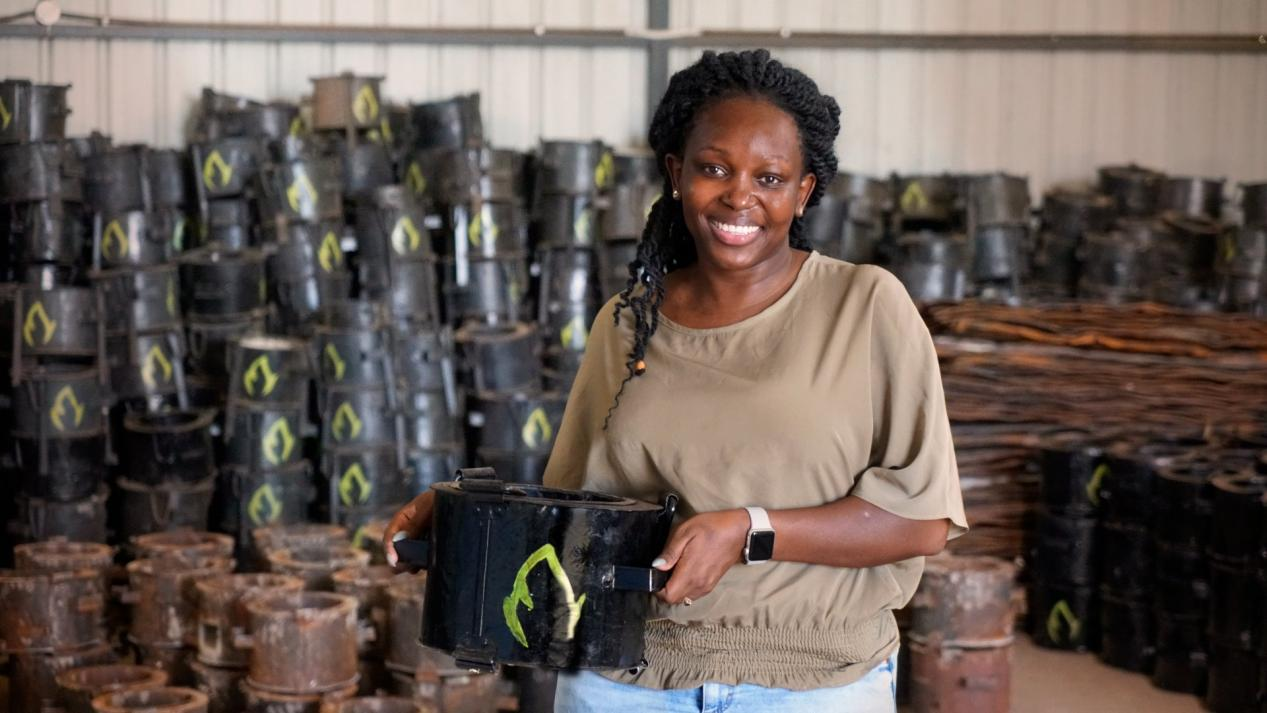
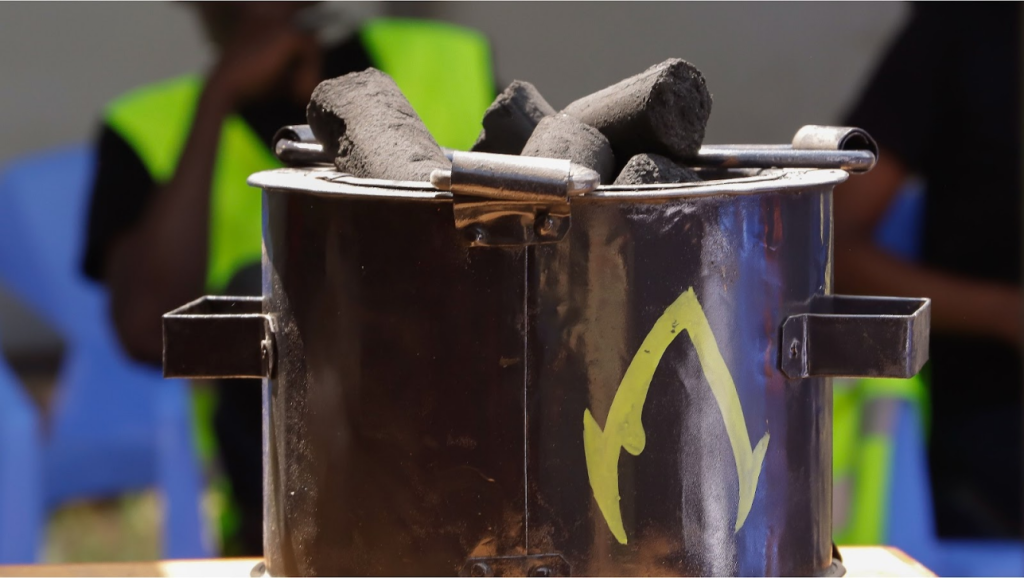
In many low-income African communities, burning traditional firewood and coal remains a primary method for daily household cooking. However, the resulting smoke and harmful particulate matter pose a chronic threat to the respiratory health of women, children, and the elderly, adding to public health pressures. Mukuru Clean Stoves has long focused on this overlooked development issue, providing safer and more eco-friendly household energy solutions to impoverished communities by introducing high-efficiency clean cookstoves.
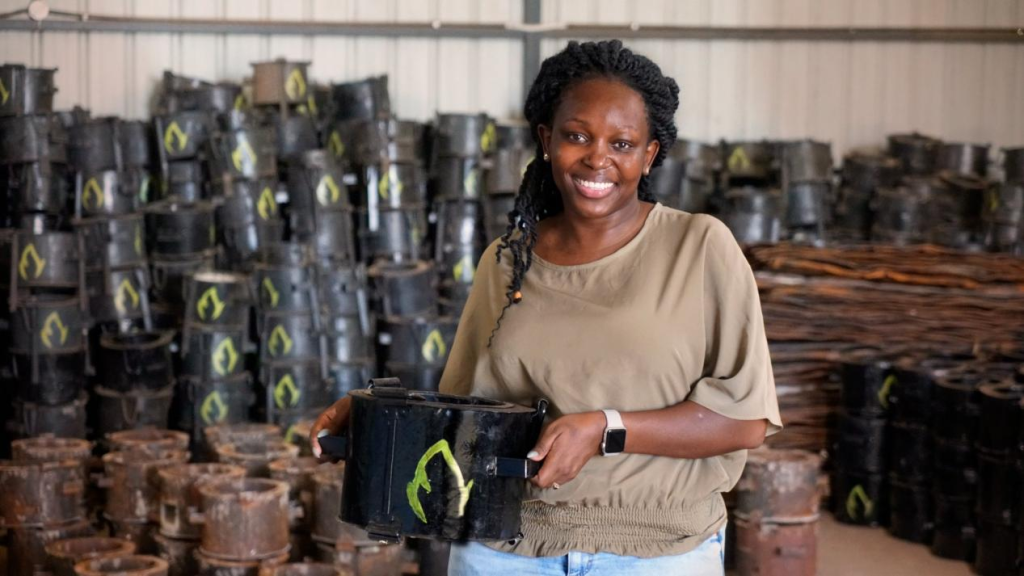
Unlike traditional charity projects, Mukuru Clean Stoves goes beyond simple product donations. It has built a comprehensive service system based on community needs, covering stove design, resident training, promotion, and long-term maintenance. Across multiple project communities, the enterprise partners with local networks and organizations to conduct health education and energy training, enabling residents to truly understand the importance of clean cookstoves to family health and quality of life. The committee highlighted that this shift from “product input” to “community capacity building” allows clean energy initiatives to deeply integrate into grassroots social structures and generate stable, long-term social benefits. Through continuous promotion and education, clean cookstoves are gradually becoming an essential public resource for improving living environments.
Health Improvements and Emission Reduction Targets Yield Synergistic Social Benefits
Another crucial contribution of Mukuru Clean Stoves is its successful alignment of public health improvements with environmental emission reduction goals. Traditional fuel consumption affects human health while accelerating forest depletion and greenhouse gas emissions, creating long-term ecological strain. By promoting high-efficiency, low-emission cookstoves, Mukuru Clean Stoves significantly reduces household fuel usage and smoke emissions. In several project communities, fuel expenses dropped noticeably and daily exposure to air pollution was effectively reduced after adopting clean cookstoves. This shift improves household quality of life while advancing broader environmental improvements at the community level.
Mukuru Clean Stoves demonstrates that grassroots energy transition is not merely a technical upgrade, but a vital development project encompassing health, ecology, and social fairness. Its philanthropic model ties emission reduction goals directly to the real needs of residents, bringing environmental governance out of the macro-policy sphere and into the daily lives of ordinary families. Meanwhile, the enterprise actively involves local women in stove promotion and maintenance, creating jobs for low-income households. Integrating environmental governance with local economic development further strengthens the project’s sustainability and community engagement.
Community Collaboration Mechanisms Drive Grassroots Governance Capabilities
Over years of practice, Mukuru Clean Stoves has established a collaborative network spanning community organizations, local partners, and grassroots residents. Recognizing that truly sustainable philanthropy requires local capability for ongoing participation and self-operation alongside technical and financial support, Mukuru Clean Stoves continuously delivers community training and operational assistance. This empowers residents with stove maintenance and clean energy knowledge, backed by long-term service mechanisms through local partners. This approach enhances self-governance in energy and health issues, allowing the project to operate stably without perpetual external intervention.
The judging committee considers one of Mukuru Clean Stoves’ most representative contributions to be its seamless integration of grassroots energy projects into community governance systems. This transforms philanthropic practice from short-term aid into a structural force driving long-term community development. Additionally, the enterprise actively contributes to global discussions on sustainable development and emission reductions, offering practical insights from its experience in grassroots clean energy promotion. Its community participation mechanisms and long-term governance philosophy provide valuable inspiration for low-cost, high-impact pathways in global philanthropy.
Judges’ Citation: A Key Practitioner Driving Public Health and Social Equity Through Grassroots Energy Improvement
In its official evaluation statement, the ICSO Judging Committee declared: “Through the promotion of clean cookstoves, Mukuru Clean Stoves effectively combines energy improvement, health protection, and emission reductions into a sustainable philanthropic model with profound social value. Deeply rooted in grassroots communities, its low-cost, highly participatory approach to improving living conditions highlights the crucial role social enterprises play in global governance.”
Conferring the “Global Philanthropic Model Enterprise” honor serves as high recognition of Mukuru Clean Stoves’ enduring social practice and signals growing international focus on the value of grassroots clean energy models in global sustainability. Moving forward, ICSO will continue to expand its global philanthropic network, joining hands with socially conscious, innovative organizations to explore new pathways for co-advancing environmental governance and social progress.