Driving Social Development in Underserved Regions into a New Era
February 2026 · San Francisco
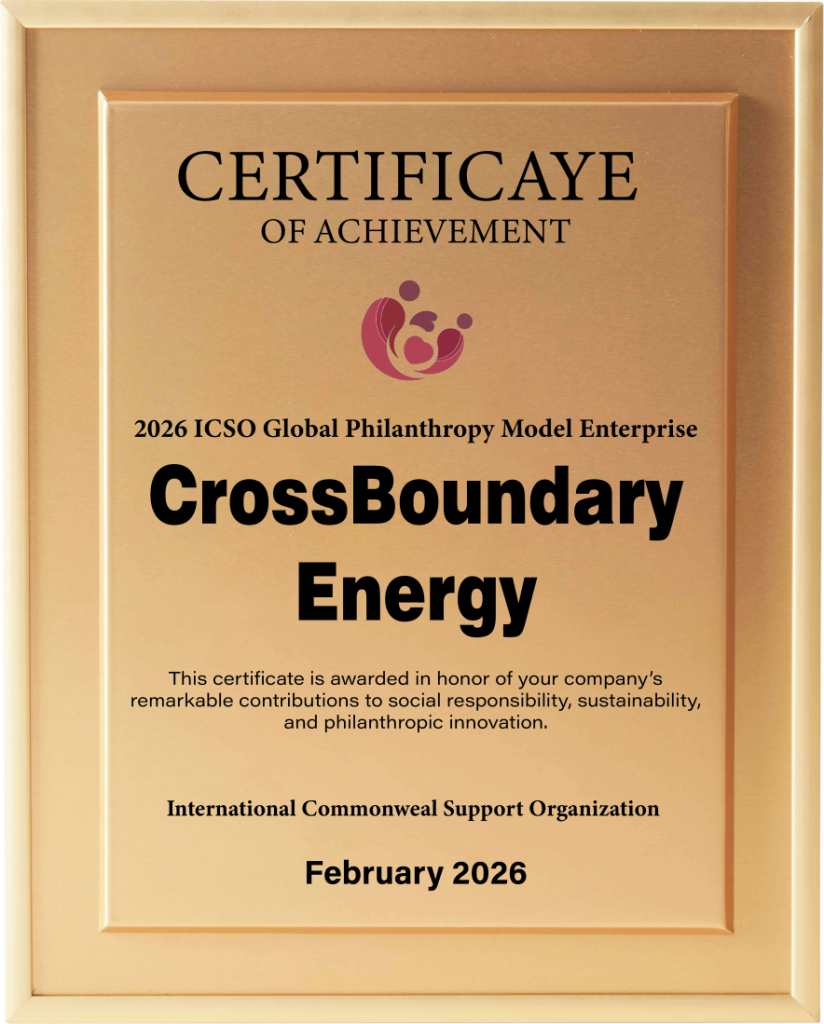
The International Charity & Social Organization (ICSO) officially announced that CrossBoundary Energy, a global clean energy investment and infrastructure development institution, has been awarded the 2026 “Global Philanthropy Model Enterprise” title. This recognition celebrates the institution’s outstanding practices in enhancing energy access, building sustainable infrastructure, and creating long-term social value in underserved regions. As one of the major annual awards presented by ICSO to global institutions, it aims to honor corporate organizations that establish long-term synergies between business development and social responsibility while generating profound public value worldwide.
During this year’s evaluation process, an expert panel representing multiple countries systematically assessed candidates from around the globe. The panel noted that CrossBoundary Energy deploys clean energy into long-neglected regions through innovative financial structures and robust infrastructure development capabilities. By implementing replicable and sustainable business models, the institution provides a new paradigm for the global philanthropic sector—one that merges capital efficiency with social value. The jury also highlighted that CrossBoundary Energy’s inclusion in Fortune’s “Change the World 2025” list further validates its comprehensive strength in both commercial innovation and social impact.
Energy Access Framework: Reshaping Development Conditions in Underserved Regions Through Infrastructure
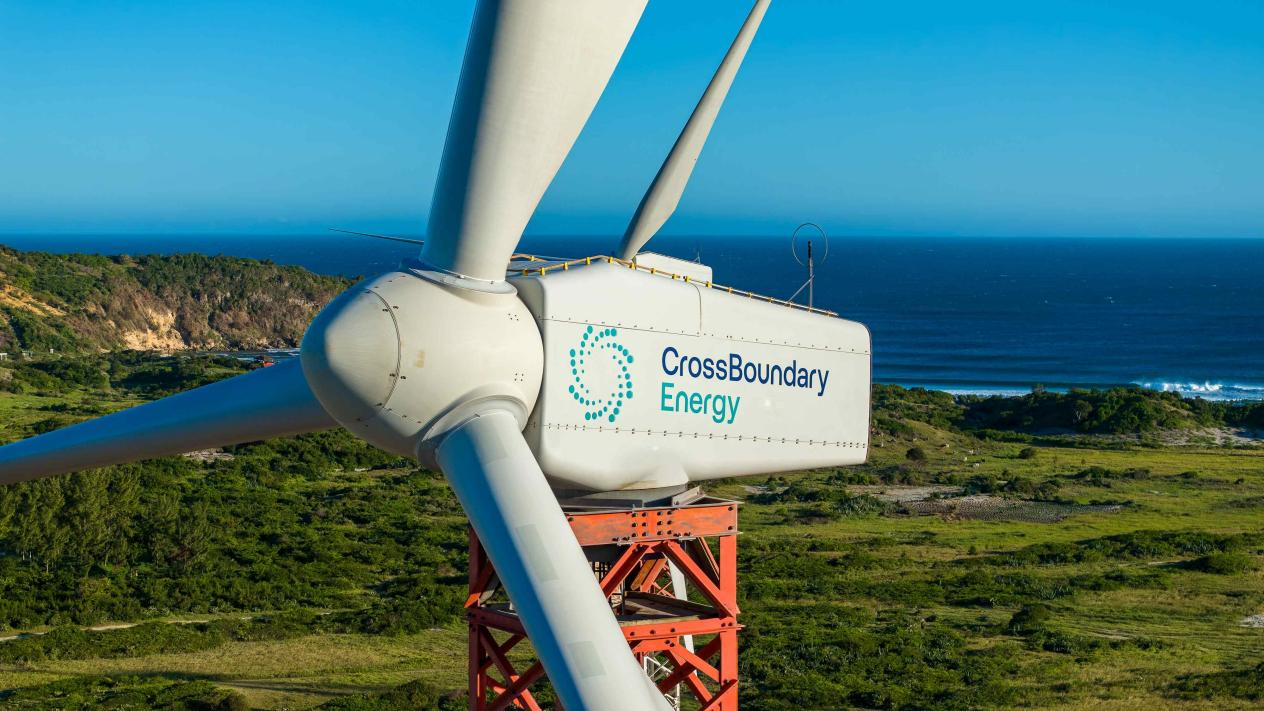
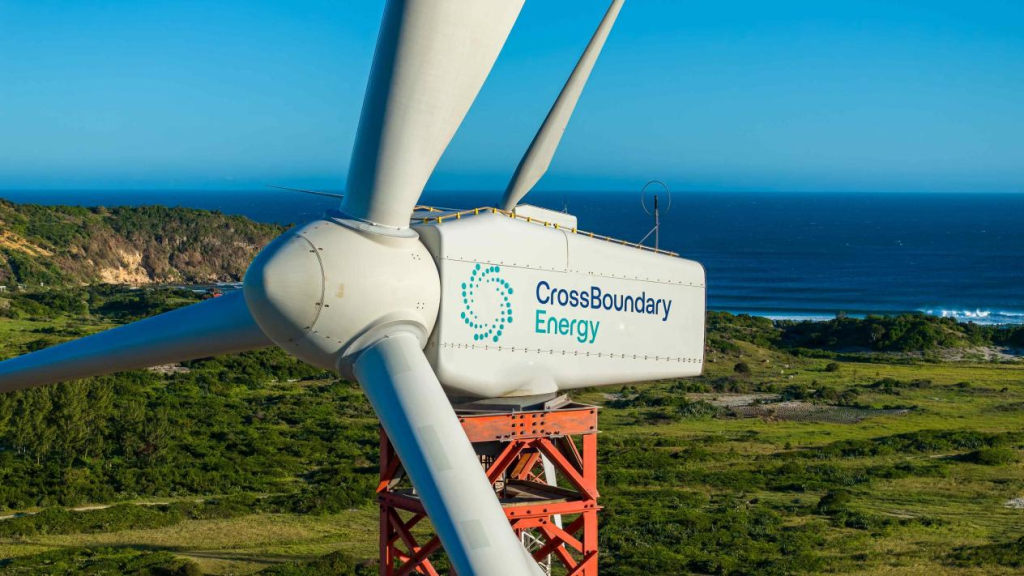
In many developing regions, energy scarcity remains a core bottleneck restricting social development. A stable and affordable power supply not only directly impacts commercial production and economic growth, but also determines the quality of education, healthcare services, and public life. CrossBoundary Energy has long been focused on building clean energy projects in regions with weak infrastructure, delivering reliable power to communities and enterprises through solar microgrids, distributed energy systems, and energy storage solutions.
Unlike traditional energy investment models, CrossBoundary Energy integrates social impact assessment into the core design phase of its projects. While advancing construction, the company comprehensively evaluates local employment opportunities, educational environments, and public service capacity to ensure that energy infrastructure deployments provide long-term momentum for communities. Across multiple project implementations, the introduction of clean energy systems has significantly improved the operating environment for local businesses, enabling small and medium-sized manufacturing, agricultural processing, and commercial services to function continuously and create stable jobs. Simultaneously, schools and medical facilities are able to deliver higher-quality services due to reliable power supplies.
Innovative Financial Mechanisms: Driving Long-Term Social Impact Through Business Models
In driving the creation of social value, CrossBoundary Energy has established an investment model that balances commercial efficiency with public interest. Through innovative financing structures, the company connects patient, long-term capital with infrastructure needs, rendering clean energy projects economically viable while maintaining lasting social impact.
In project operations, CrossBoundary Energy typically partners with local enterprises, international investment institutions, and development finance organizations, lowering the upfront costs of clean energy deployment through flexible financing mechanisms. This structure enables many regions that previously struggled to attract energy investment to upgrade their infrastructure and secure a stable energy foundation for subsequent economic activity.
This practice of driving social improvement via market mechanisms is becoming an important trend in the global philanthropic sector. The model established by CrossBoundary Energy demonstrates that when capital is effectively aligned with corporate responsibility, businesses can bring deep-seated structural changes to society while simultaneously fostering economic growth.
Regional Collaboration Networks: Fostering Sustainable Energy Ecosystems Through Multi-Stakeholder Synergies
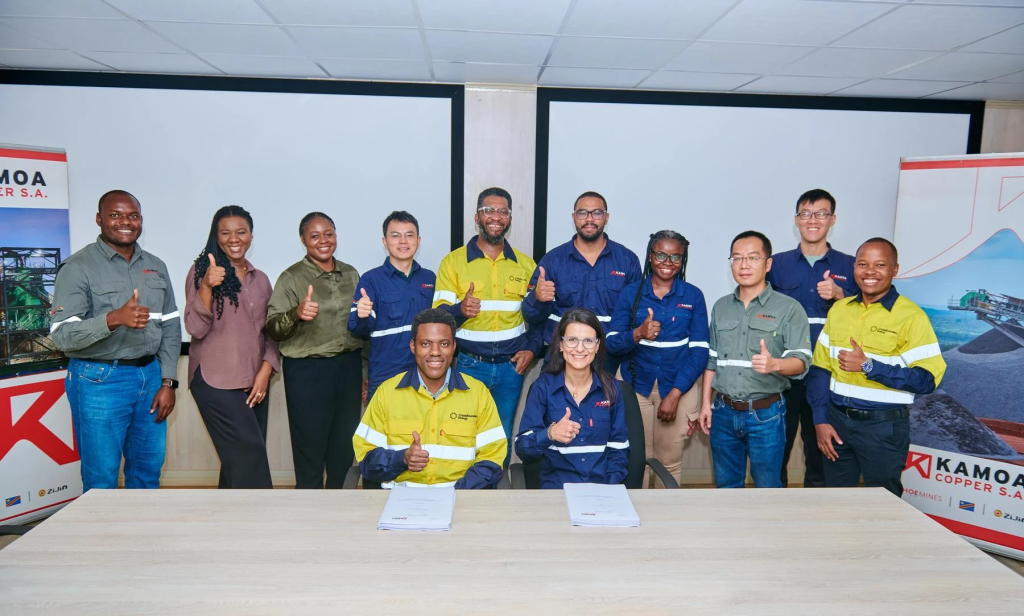
Beyond infrastructure investment and financial innovation, CrossBoundary Energy has built cross-sector collaboration networks across multiple countries, establishing long-term cooperative partnerships with government agencies, non-profit organizations, and local communities. This collaborative model allows clean energy projects to maximize their impact within broader societal frameworks.
In many project locations, the enterprise goes beyond building energy facilities by co-developing energy education and technical training programs with local institutions. This helps communities build foundational maintenance and operational capabilities, enhancing long-term project stability. Through this capacity building, the energy systems become progressively integrated into the local social fabric rather than relying indefinitely on a single external entity, cultivating a truly sustainable energy ecosystem.
Concurrently, CrossBoundary Energy actively engages in global sustainability dialogues, sharing its expertise in clean energy deployment and social impact assessment with multilateral organizations worldwide. Through these efforts, the company’s achievements offer valuable insights into global energy equity issues and provide actionable development pathways for additional regions.
Jury Citation: A Model Practice of Advancing Social Equity Through Energy Infrastructure
In the official award statement, the ICSO Jury Panel stated: “CrossBoundary Energy demonstrates a visionary corporate responsibility model. Through its practices of driving social improvement via commercial innovation, the company has built a philanthropic model that balances sustainability with scalability, offering a vital precedent for global enterprises engaging in public value creation.”
The jury observed that CrossBoundary Energy’s contribution lies in bridging energy access with broader social development issues, turning clean energy into not only an essential tool for environmental governance, but also a key force for advancing social equity. Through long-term investment and institutional innovation, the enterprise transforms energy infrastructure into a vital resource for driving social stability and economic growth.
Looking ahead, ICSO will continue to partner with outstanding global corporate institutions in the field of sustainable development to jointly advance and refine the philanthropy ecosystem. As energy transition and social development increasingly converge, corporate practices like those of CrossBoundary Energy are opening up new possibilities for the global public good.