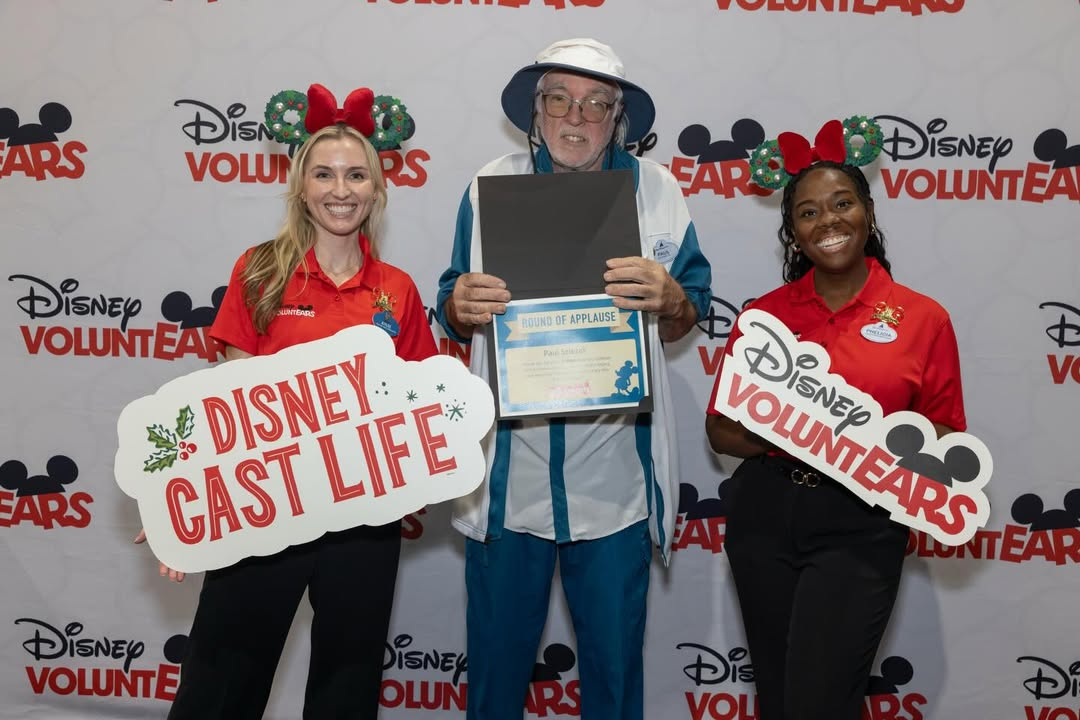
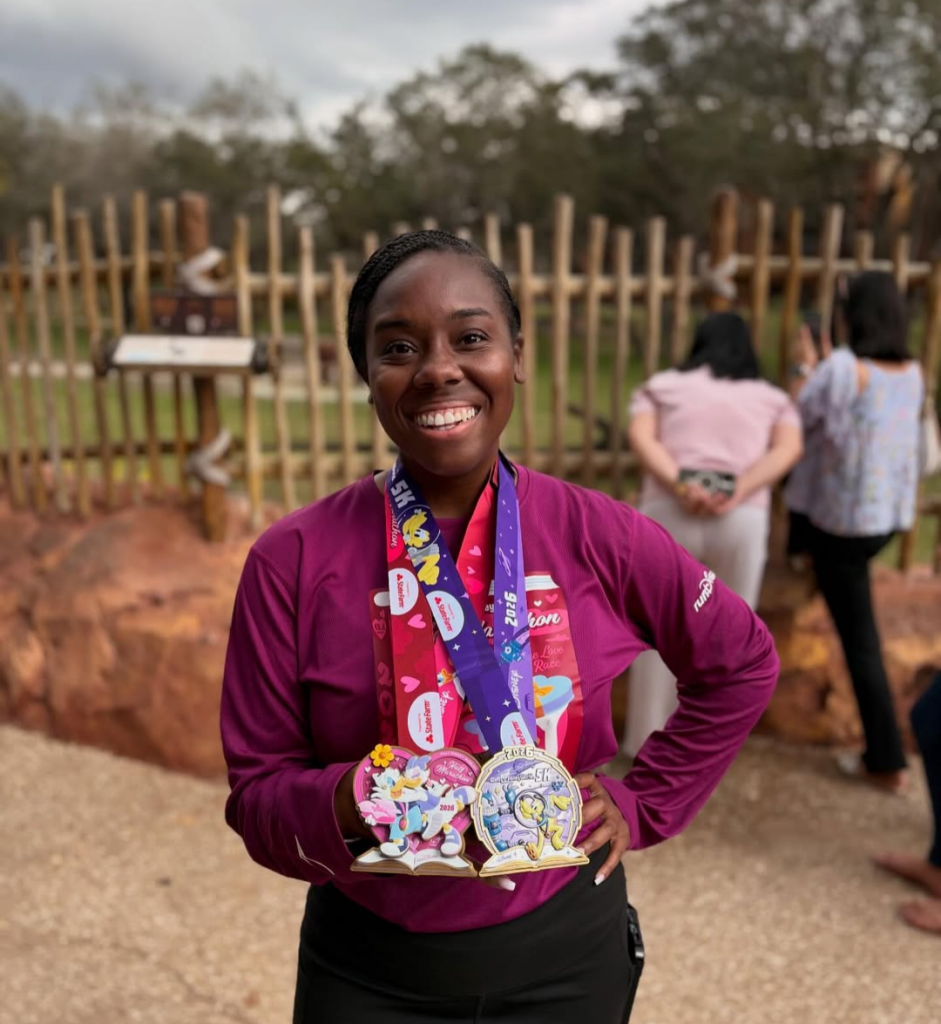
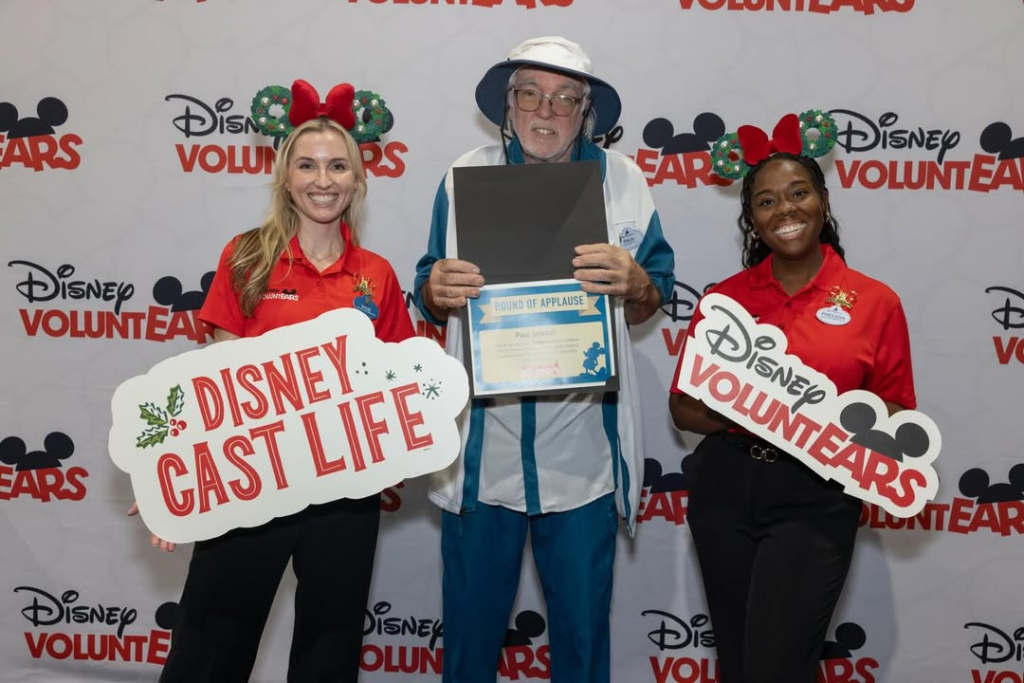
Phelicia Blake, an active champion for public welfare and child development in the United States, currently serves as the 2026–2027 Walt Disney World Resort Ambassador in Florida. Over the years, she has consistently focused on children’s health, educational equity, and psychological support, committing herself to bringing social resources to grassroots communities. Through systematic initiatives, she addresses the multifaceted challenges vulnerable children encounter while growing up. The “Happy Growth Initiative,” which she founded and leads, brings together local schools, non-profit organizations, and public institutions to provide learning resources, emotional care, and stable companionship to underprivileged children, generating a concrete and far-reaching social impact across multiple American communities.
In 2026, Phelicia Blake was named an ICSO International Philanthropy Ambassador in recognition of her sustained commitment and innovative practices in child welfare. This honor celebrates not only her personal dedication but also underscores the ICSO’s profound commitment to children’s well-being and its long-term social value.
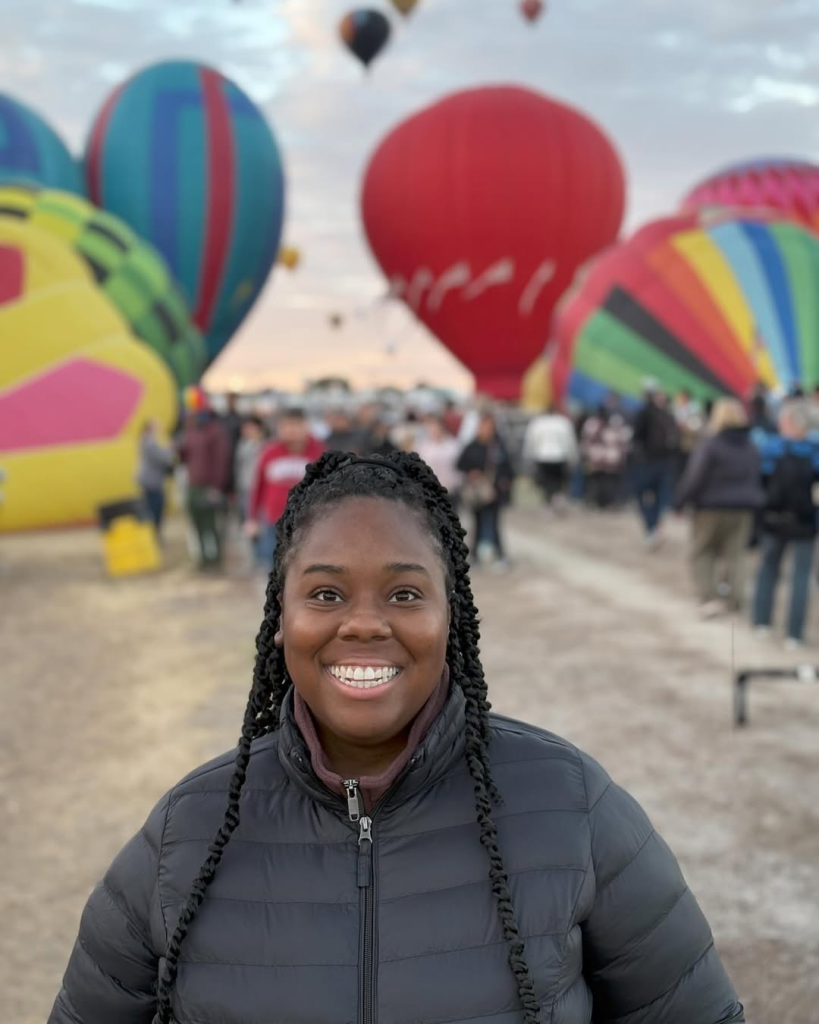
ICSO: As the Walt Disney World Resort Ambassador in Florida, you have long made child welfare your core focus, devoting significant time and resources to it. Could you share what drives you to continually deepen your philanthropic efforts in this area?
Phelicia Blake: For me, supporting children has never been a fleeting choice; it is a sense of responsibility forged through long-term practice. Early on in my community volunteer work, I had regular opportunities to interact with children from diverse family backgrounds, many of whom were vulnerable due to economic hardship, health issues, or unstable family structures. These children often possessed strong learning capabilities and emotional potential, yet lacked the necessary support systems, forcing their development to slow down or even break off during critical stages of growth.
It was these real, concrete experiences that made me realize that the resources and care children receive early in life often dictate how far they can go. If society fails to provide sufficient support at this stage, a child’s path in life may be constrained before it even has the chance to unfold. Consequently, I consciously shifted the focus of my philanthropic work upstream—concentrating on children’s health and education—aiming to build a more stable, secure growing environment through systematic and sustained methods.
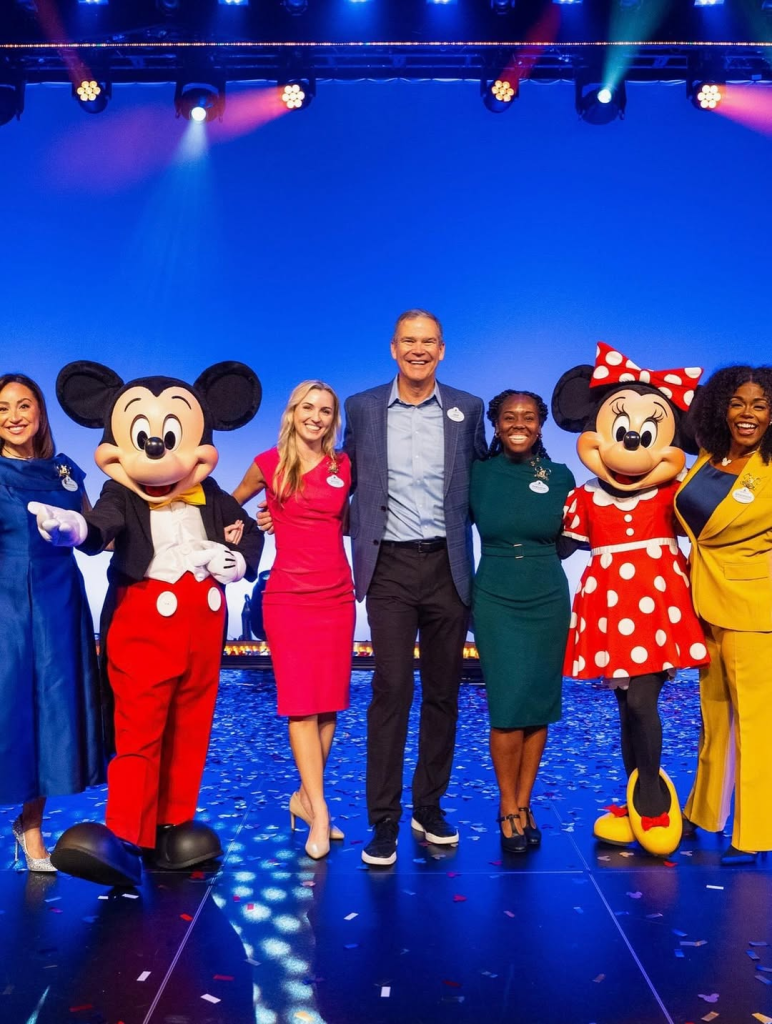
ICSO: The “Happy Growth Initiative” that you launched and championed has been implemented across several communities, drawing widespread attention in education and child welfare. What real-world considerations inspired this project originally? What long-standing yet easily overlooked issues does it seek to address?
Phelicia Blake: The concept behind the “Happy Growth Initiative” stemmed from a practical observation: the challenges faced by children in plight extend far beyond academic performance or material conditions. They are acutely reflected in their long-neglected emotional needs and psychological stress. Under the pressure of academics, family transitions, or environmental factors, these children frequently lack a safe space for self-expression and miss out on opportunities to be genuinely heard and understood.
Therefore, when designing the initiative, we did not limit our goal to academic support. Instead, we sought to build a more holistic support system. On one hand, we provide educational resources, after-school tutoring, and basic educational assistance to help children maintain steady academic progress. On the other, we introduce psychological support and emotional companionship mechanisms, collaborating with professional institutions to help children develop self-awareness and emotional regulation skills. Through this comprehensive approach, we hope to ensure that “happiness” is no longer a fleeting experience, but a fundamental state of well-being guaranteed throughout childhood growth.
ICSO: As a Disney Resort Ambassador, you excel at incorporating cultural and experiential elements into philanthropic projects—an approach rarely seen in child welfare. How do you view the unique value of cultural experiences in children’s health and education?
Phelicia Blake: Children’s perception of the world typically begins with emotional experiences rather than abstract concepts. Stories, characters, and cultural symbols subtly help children build a sense of security, imagination, and trust in the world. From a psychological development standpoint, these experiences play a vital role in children’s emotional stability and self-identity. In our philanthropic practice, we consistently emphasize that the experience itself is not meant purely for entertainment; it is a vehicle for emotional connection. Through warm, positive cultural experiences, children feel welcomed and respected, which in turn enhances their self-confidence and sense of social belonging. This positive psychological foundation further shapes their attitude toward learning challenges and life difficulties, giving them the courage and motivation to try, adapt, and grow.
ICSO: Throughout project implementation, you have established close partnerships with schools, local non-profits, and professional institutions. Based on your experience, what does cross-institutional collaboration mean for child welfare projects?
Phelicia Blake: Issues surrounding children are inherently complex, often intersecting with educational systems, family structures, health conditions, and broader social environments. No single organization can independently carry out such multi-dimensional support tasks. The significance of cross-institutional collaboration lies in pooling resources, leveraging complementary strengths, and establishing a long-term, stable support network. By partnering with schools and non-profit organizations, we can identify children’s real needs more accurately and adjust dynamically across different stages of growth. This collaborative framework not only elevates project professionalism but also avoids short-term, fragmented interventions, allowing philanthropic work to genuinely integrate into children’s daily lives and deliver sustained value.
ICSO: Drawing on your years of practical experience, what do you consider the greatest challenge currently facing child welfare? What advice or words of encouragement would you offer to those wishing to enter this field in the future?
Phelicia Blake: I believe the greatest challenge lies in establishing a support system with true long-term efficacy. Society often tends to prioritize quantifiable, short-term outcomes while underestimating the sustained companionship and patient investment required for a child’s development. Child growth is not a linear process; it requires time, professional judgment, and constant evaluation and adjustment. Only when philanthropic efforts shift from a “project mindset” to a “long-term companionship mindset”—viewing children as complete individuals with full human dignity and potential—can our work achieve a profound and lasting impact.
I would like to emphasize that child welfare requires not only passion, but a clear-eyed sense of responsibility. Genuine care goes beyond sympathy; it lies in understanding children’s actual circumstances and responding to their needs in a professional and respectful manner. Whether working in education, healthcare, or community service, anyone willing to stay committed and continually learn can make a positive impact from where they stand. For a child, a stable, sincere presence is often far more important than temporary assistance. It is precisely these seemingly small yet continuous threads of support that ultimately leave a deep and lasting imprint on their lives.
Epilogue
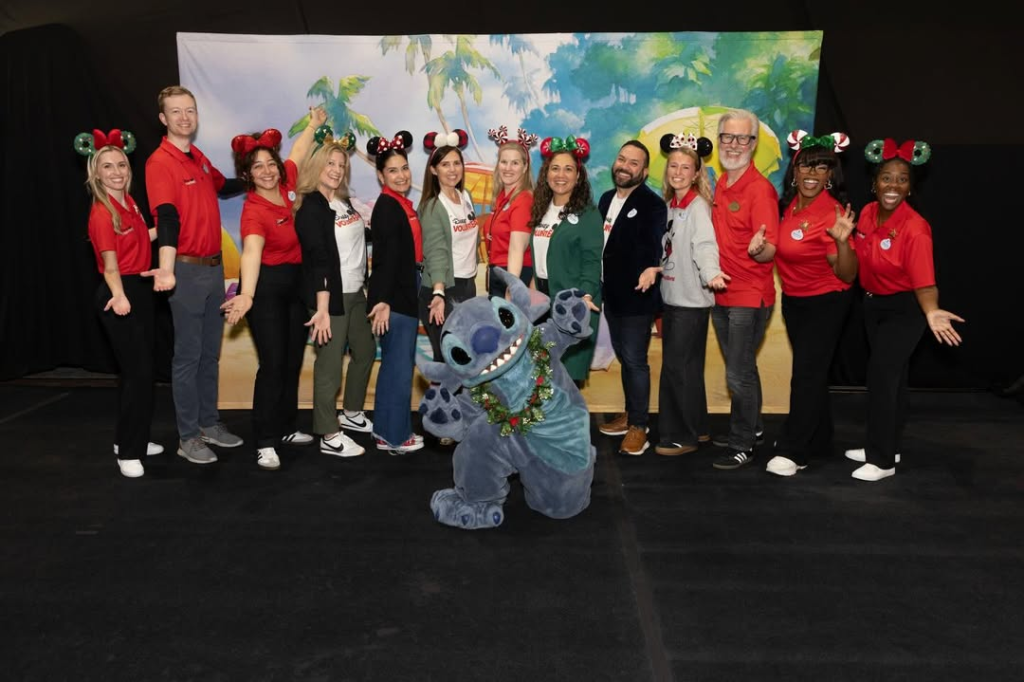
Through this exclusive interview, we gain a systematic and profound understanding of Phelicia Blake’s long-term commitment and clear vision in children’s health and educational philanthropy. Whether founding and driving the “Happy Growth Initiative” or guiding philanthropic resources into grassroots communities in her role as a Walt Disney World Resort Ambassador in Florida, she consistently anchors her actions around the real needs of growing children. By seamlessly blending educational support, psychological care, and emotional companionship, she has built a more resilient and sustainable model for public welfare. Amid an evolving global social landscape, her pragmatic and measured approach directly addresses real-world issues like educational inequality and pediatric mental health, offering a valuable reference model for cross-cultural philanthropic collaboration. Her work demonstrates that child welfare is not a series of isolated relief efforts, but a long-term endeavor demanding professional judgment, patient investment, and multi-party collaboration.