Gu Yicai, a distinguished Chinese entrepreneur, United Nations Special Observer, and International Philanthropy Ambassador, has been recognized with the 2026 ICSO International Philanthropy Ambassador Award for his outstanding contributions to sustainable development, charity, and global social responsibility. A visionary leader who bridges strategic foresight with humanistic care, Gu has dedicated years to advancing infrastructure and energy projects across Africa and Asia, promoting regional cooperation and improving local livelihoods.
Beyond his business success, he has consistently upheld a sense of responsibility—championing educational equity, rural revitalization, and cultural exchange—striving to ensure that the benefits of development reach broader communities. From supporting international education initiatives to fostering transnational philanthropic collaboration, Gu firmly believes that corporate power should serve the shared well-being of humanity. In his view, responsibility and progress are interdependent—together shaping enduring peace and prosperity. His work transcends the boundaries of commerce, making him a powerful force of reason and compassion in global philanthropy.

ICSO: From your early years managing local enterprises to your current role on the international stage, you’ve demonstrated both business acumen and a deep social conscience. How did you transition from being a corporate leader to taking on global philanthropic responsibilities?
Gu Yicai: Looking back, I’ve always believed that enterprise and social responsibility are not opposites. When I was managing companies in bottled water, plastics, and construction materials, I realized that true success lies not only in profit but also in contributing to the community, employees, and environment. As my ventures expanded internationally, I witnessed firsthand the lack of infrastructure and educational resources in some regions. It made me reflect deeply—being just a businessman and capital operator was not enough. I began to integrate philanthropic considerations into my investment and industrial strategies. Later, as I was invited to serve as a UN Special Observer and recognized as a goodwill or cultural ambassador by several countries, I gradually took on a broader global responsibility.

ICSO: You’ve often emphasized the idea of “development for peace, education for the future,” which seems to be a guiding philosophy in many of your philanthropic initiatives. Could you share how this concept was formed and put into practice?
Gu Yicai: The idea was born from my experience working with UN projects. Years ago, during infrastructure aid in Africa, I witnessed how the lack of education affects a nation’s long-term development. Those young people were not short on intelligence, but on opportunity. That experience convinced me that education is the true foundation of development. Since then, I’ve promoted an “education-first” model—supporting school construction, teacher training, and scholarship programs in multiple countries. Education doesn’t bring instant results, but it sows the seeds of generational hope.
ICSO: You once said that philanthropy should go beyond donations to become a systemic form of social investment. What challenges do you think exist in achieving sustainable philanthropy globally?
Gu Yicai: This is indeed a pressing issue. Many philanthropic efforts start with enthusiasm but lack long-term mechanisms, leading to limited impact. Philanthropy should not rely solely on emotion—it must be institutionalized and professionalized. For example, in one African agricultural project I participated in, instead of simply offering funds or materials, we helped establish a local value chain and vocational training system. Farmers gained skills, technology, and access to markets. Though slower to yield results, such an approach transforms communities sustainably. The ultimate goal of philanthropy is not “giving,” but “co-building.”
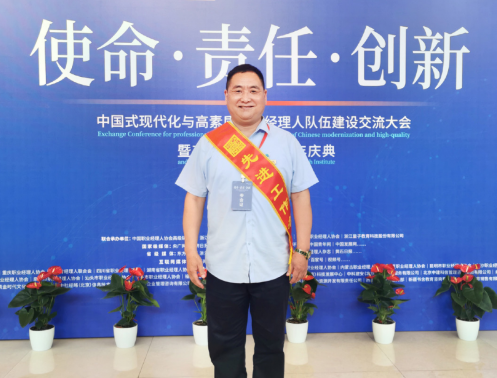
ICSO: You’ve received numerous international honors such as “Friendship Medals,” “Honorary Ambassador” titles, and appointments as “Senior Economic Advisor.” How have these experiences shaped your perspective on philanthropy?
Gu Yicai: These experiences have allowed me to understand diverse societies, cultures, and governance systems. One project that left a lasting impression was in the Republic of Congo. Alongside infrastructure investments in roads, mining, and hydropower, we established a community development fund to support schools, clinics, and local workforce training. I was especially moved when several children funded by the program later graduated from university and returned as teachers and medical workers. That transformation—from receiving aid to becoming self-reliant—showed me that philanthropy should not be about “giving things,” but about empowering local capacity and sustainable growth.
ICSO: You’ve long supported rural education and youth development, often emphasizing the need to “cultivate globally minded young people.” How do you see education contributing to international understanding?
Gu Yicai: Education is the bridge that connects civilizations. True international understanding lies not in diplomatic language, but in the empathy and awareness of the younger generation. I’ve established scholarship programs both in China and abroad to encourage cross-cultural learning—helping Chinese students study overseas and inviting foreign students to experience China’s development and warmth firsthand. Each exchange is a dialogue of hearts. The youth are the language of the future, and education ensures that this language carries inclusiveness and strength.
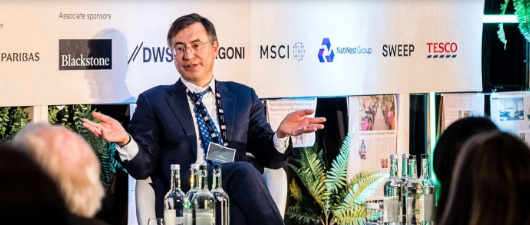
ICSO: As a UN Special Observer, you’ve taken part in numerous global aid and development initiatives. What role do you think Chinese entrepreneurs can play in the global philanthropic landscape?
Gu Yicai: Chinese entrepreneurs are evolving from participants to drivers. In the past, our focus was mainly on business partnerships; now, we have both the capacity and the duty to contribute to global governance and philanthropy. China’s development experience—combining efficiency with equity—is of great value. Through frameworks like the Belt and Road Initiative, we are transforming that experience into collaborative global progress. For example, by promoting vocational education partnerships in Africa, we’re helping local youth gain employable skills. This “empowerment-based” model is becoming the new direction for Chinese corporate philanthropy.
Conclusion
This in-depth conversation reveals the blend of reason and compassion that defines Gu Yicai’s global vision. Through his work, we see that business can drive development, and philanthropy can unite humanity. From education to culture, from aid to co-creation, he has drawn a humanitarian blueprint with responsibility as his brush. As he aptly puts it: “The true value of wealth lies not in accumulation, but in sharing.” This is not only the conviction of an international philanthropy ambassador but also a timeless call for a more empathetic and interconnected world.
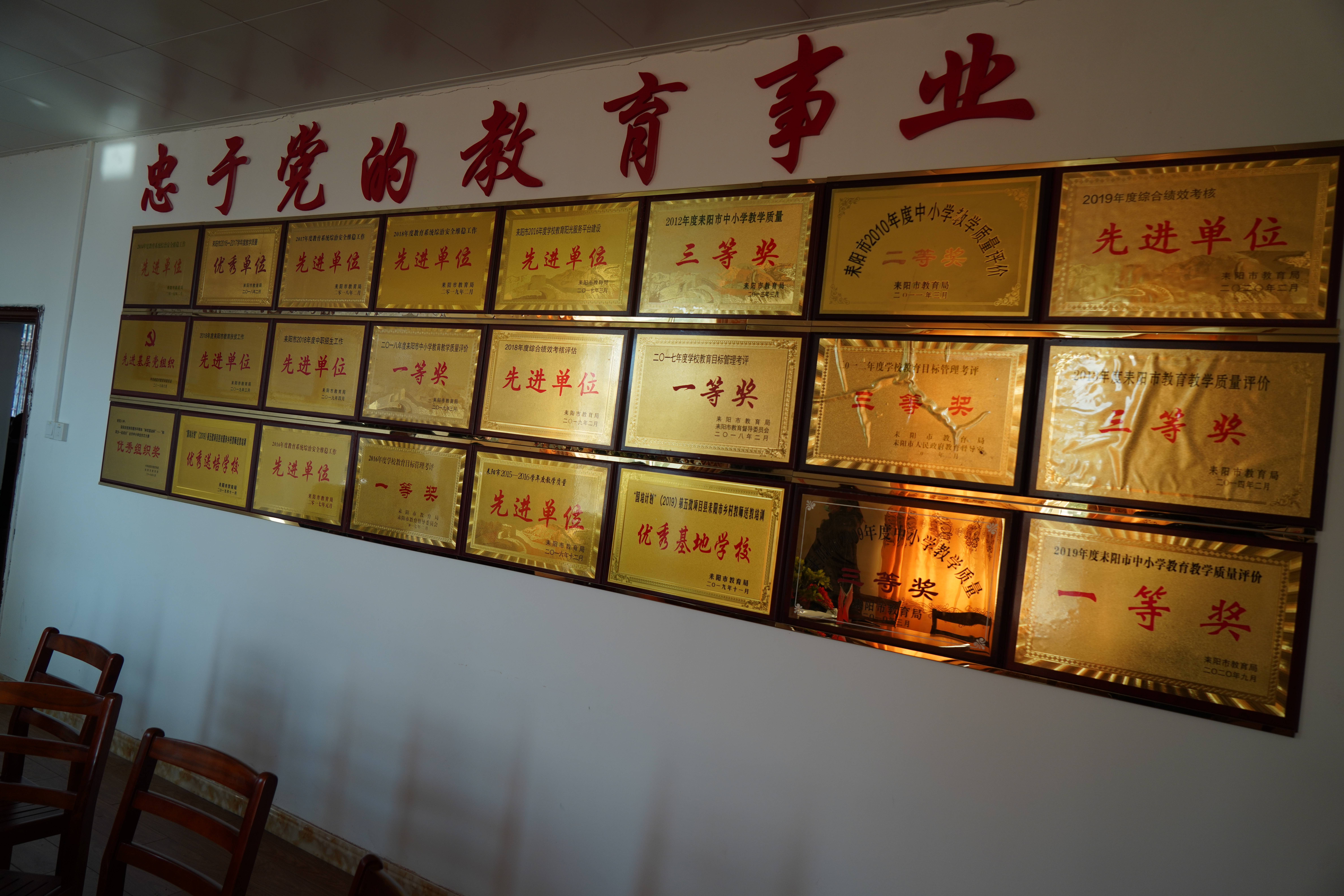
One thought on “In Conversation with the ICSO International Philanthropy Ambassador: UN Special Observer Gu Yicai”
Comments are closed.