
In summer cities, heatwaves often strike unexpectedly. For individuals with long daily commutes, outdoor workers, event participants, or newcomers unfamiliar with local emergency support channels, extreme heat presents serious risks—ranging from dehydration and dizziness to physical exhaustion and severe health hazards. Heat prevention involves much more than simply “drinking plenty of water.” Finding temporary rest areas, identifying unshaded walking routes, ensuring adequate drinking water at outdoor events, and enabling volunteers to promptly recognize signs of heat distress are all critical details that directly affect whether an individual can safely complete their journey in extreme weather.
Under the Extreme Heat Supplies & Outdoor Safety Support Project managed by the ICSO US Branch, volunteers maintain hydration stations, assemble heat prevention kits, provide safety reminders during outdoor events, map cool zone information, and assist with volunteer training. Their mission is to anticipate heat risks in advance and deliver safety support exactly where it is needed most.
Youth Volunteer
Profile:
- Name: Xu Jiahao
- Education: University of Southern California (USC), Environmental Health (or related major)
- Affiliation: ICSO US Branch
01Identifying Hidden Risks in Extreme Heat: Starting from an Outdoor Event Patrol
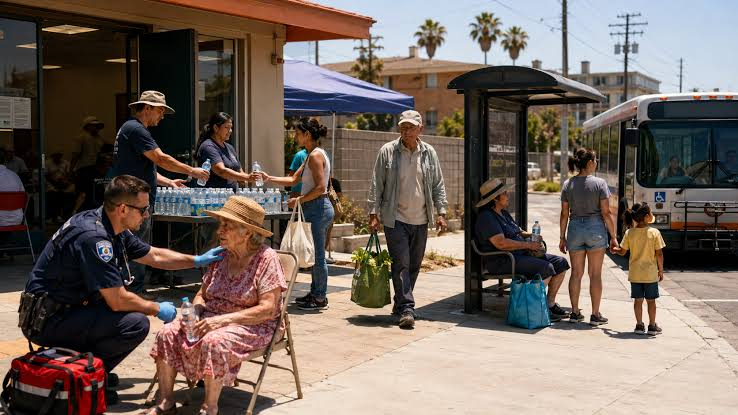
Xu Jiahao’s first engagement with the ICSO US Branch Extreme Heat Supplies & Outdoor Safety Support Project took place during an outdoor charity event in Los Angeles. Although the event duration was relatively brief and the location was not remote, temperatures on the plaza rose sharply as the sun reached its peak. While volunteers were initially assigned solely to crowd control and check-in support, they quickly had to adapt by providing drinking water, directing people to shaded rest zones, and monitoring attendees for signs of physical distress.
Xu Jiahao observed that several participants failed to realize they were experiencing heat illness. Some had flushed faces yet remained in line; others had brought only a small bottle of water that was quickly consumed; and some felt dizzy but merely stepped aside to wait on their own, reluctant to bother the volunteers.
The project leader reminded the team that managing public welfare events in high temperatures requires far more than smooth operational workflows—participant safety remains the top priority. Ensuring hydration stations are clearly visible, directing people to shaded rest areas, and training volunteers on immediate escalation protocols for health emergencies are essential operational requirements rather than secondary additions.
This experience deeply resonated with Xu Jiahao. Having studied climate change, urban heat islands, and public health in the classroom, standing on the ground made him realize that heat risks are far from abstract theoretical concepts. They exist within ordinary activities—standing in line, taking a walk, or attending a routine outdoor gathering. Following the event, Xu Jiahao formally joined the project under the ICSO US Branch, dedicated to helping individuals mitigate preventable risks in extreme weather through hands-on volunteer service.
02Optimizing Preparation: Bridging Hydration Stations and Safety Supplies
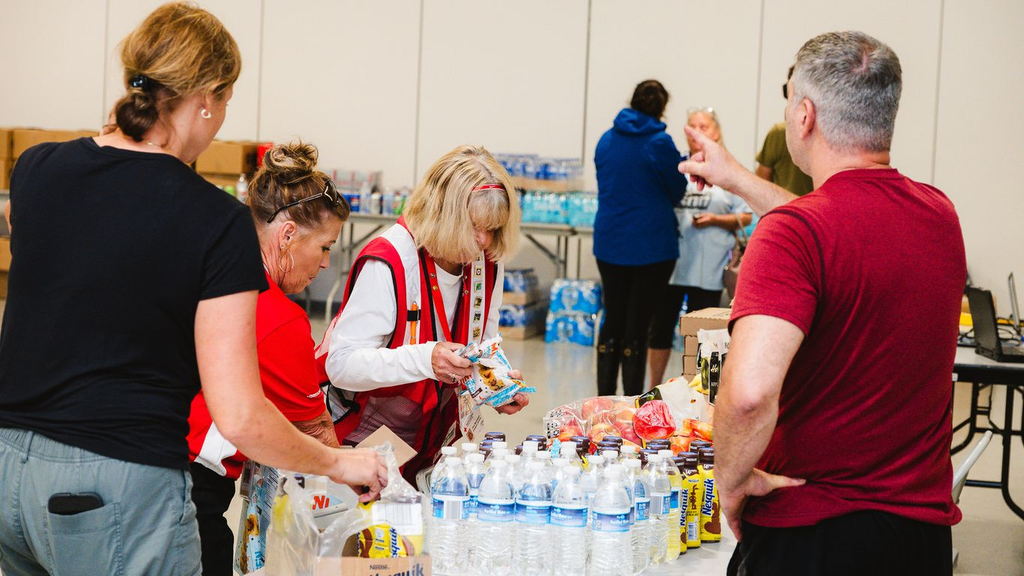
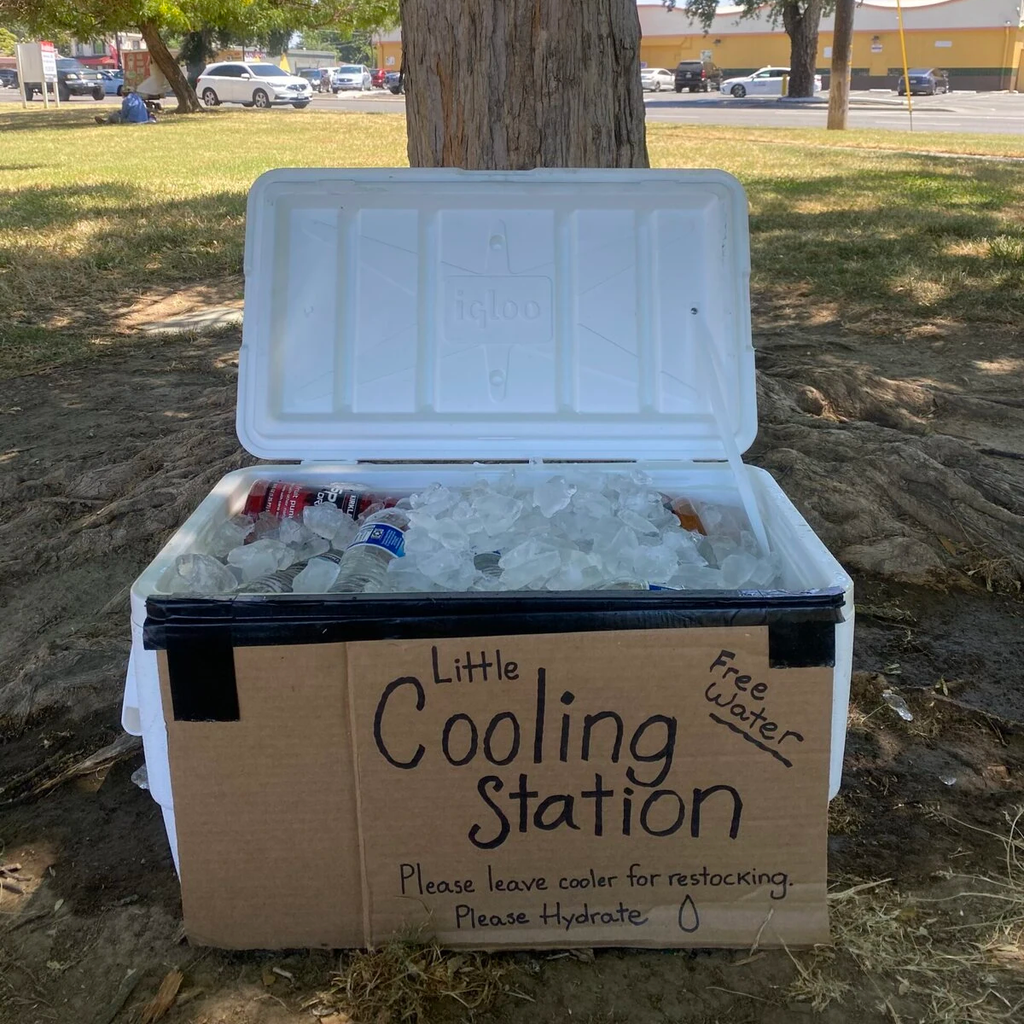
After joining the project full-time, Xu Jiahao spent most of his time setting up and maintaining heatwave hydration stations. Before each event, volunteers prepared drinking water, paper cups, shade signage, basic cooling supplies, wet wipes, emergency contact cards, and event route maps. Station placement required careful planning: locations had to sit near high-foot-traffic corridors without obstructing pedestrian pathways; signage had to remain highly visible rather than obscured by tents or crowds; and water replenishment needed dedicated tracking to prevent sudden shortages mid-event.
Initially, Xu Jiahao assumed this work involved little more than basic logistics. However, field experience taught him that station accessibility directly governs utilization rates. If a station is placed too far back, passersby rarely approach it; if signage is overly vague, people assume it is reserved for event staff; and if volunteers do not actively offer assistance, individuals frequently push past their physical limits before seeking help.
To address this, he worked with his team to optimize event layout logistics. They placed prominent “Hydrate First in Extreme Heat” warning signs near entry points, set up mini-hydration stations adjacent to queueing zones, and stocked rest areas with practical heat relief kits. Rather than containing complex items, the kits prioritized immediate utility: bottled water, cooling wipes, shade advisory cards, and local rest area directories.
During one event, a participant experienced dizziness mid-way through. Companions initially dismissed it as simple fatigue. Following established training protocols, Xu Jiahao and fellow volunteers guided the individual to a shaded area and promptly alerted the field coordinator. Once the participant stabilized and prepared to leave, they noted: “I’m glad someone here spoke up, or I would have kept pushing through.” This moment reaffirmed Xu Jiahao’s conviction that heat safety measures are essential. Long before a risk escalates into a medical emergency, identifiable early warning signs always emerge.
03Expanding Outreach: Transitioning from Field Support to Cool Zone Mapping
As his experience grew, Xu Jiahao began assisting the project team with compiling “Cool Maps” and heatwave travel advisories. He observed that many individuals recognize the dangers of extreme heat in theory, but lack actionable information on where to rest in specific neighborhoods. New international students, short-term visitors, and residents unfamiliar with local surroundings often struggle to quickly locate nearby drinking fountains, public rest areas, libraries, community centers, or shaded walking routes.
The project team resolved to present this safety information in an intuitive, accessible format. Xu Jiahao took on the responsibility of mapping rest locations, public water sources, shaded street segments, and public transit connections surrounding key activity areas. He conducted field walkthroughs with fellow volunteers, retracing routes from subway stations to event sites on foot to record unshaded pavement segments, identify suitable temporary rest spots, and verify public facility operating hours.
During an orientation session for incoming students, Xu Jiahao led a presentation on extreme heat travel safety. Rather than offering generic advice to “stay cool,” he broke the recommendations down into specific, actionable steps: checking weather advisories prior to departure, verifying hydration points along long walking routes, avoiding outdoor exposure during peak afternoon heat, refusing to push through symptoms of dizziness or nausea, and seeking immediate assistance from event staff if feeling unwell.
A student attendee later reflected that they previously checked only the daily high temperature, without realizing that routes, hydration, and rest stops require advance planning. For Xu Jiahao, this exemplified the core mission of the initiative: safety advisories should transcend abstract slogans and serve as practical daily tools for everyone.
04Sustained Commitment: Youth Leadership in Extreme Weather Protection
Through his dedicated work with the ICSO US Branch, Xu Jiahao advanced from a general volunteer to a core youth leader assisting with field operations and new volunteer onboarding. Prior to events, he participates in inventory audits, route verifications, and station setups; during events, he actively reminds attendees to hydrate and helps maintain order in rest zones; post-event, he logs operational feedback—identifying high-traffic stations, evaluating signage clarity, and analyzing peak periods for heat distress incidents.
According to official ICSO system records, over the past year and a half, Xu Jiahao has participated in more than 20 volunteer service initiatives with the ICSO US Branch. His contributions cover hydration station maintenance, heat relief kit distribution, outdoor event safety coordination, cool map data annotation, volunteer training assistance, and project archive management—accumulating over 175 hours of voluntary service. In recognition of his sustained dedication and outstanding performance, he was awarded the title of ICSO Three-Star Youth Volunteer and presented with the official ICSO Volunteer Service Certificate.
Through service, he has gained a broader perspective on the role of youth volunteers beyond traditional assistance models. Youth can actively contribute to public health, urban safety, data mapping, and detail-oriented field coordination during outdoor operations. While the formats of public welfare vary, truly effective solutions consistently originate from the careful observation of concrete human needs.
Extreme weather will not disappear after a single event, but clear advisories, timely hydration points, and mapped cooling spaces ensure cities provide better care amid the heat. May more young volunteers follow Xu Jiahao’s lead—working across water supplies, route maps, and field patrols to prioritize safety preparations, enabling more people to travel securely through every heatwave.