
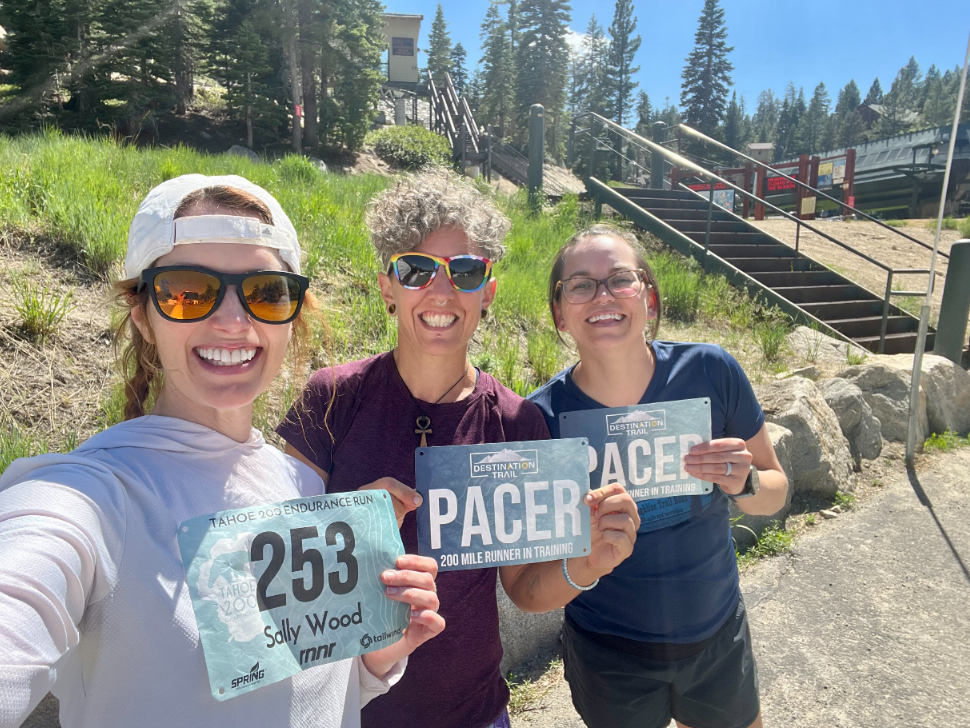
In the early morning light of the city park, runners fill the paths. Some train alone with headphones on, others follow running clubs to match their pace, while others navigate familiar yet unfamiliar routes step by step under the guidance of volunteer instructions and a tether. For individuals with visual impairments, limited mobility, or those in physical rehabilitation, exercise is never just a matter of physical fitness; it touches upon safety, trust, companionship, and whether one enjoys equal opportunities to participate in public life.
Within the Inclusive Sports Support Project of the ICSO (International Charity & Social Organization) US Branch, youth volunteer Megan Brown has long been involved in visually impaired guide running, public road race support, sports safety advising, route testing, and volunteer training. Her work extends far beyond simply “running alongside someone.” Before every takeoff, she verifies surface conditions, pace, verbal cues, and communication methods, enabling participants to enter sports environments with peace of mind while fostering a more accessible and welcoming atmosphere in public sports activities.
Youth Volunteer Profile
Name: Megan Brown
Education: University of California, Los Angeles (UCLA), Major in Kinesiology / Sports Science
Affiliation: ICSO US Branch

01 Understanding Companionship as More Than Simply Following, Starting from a Public Road Race
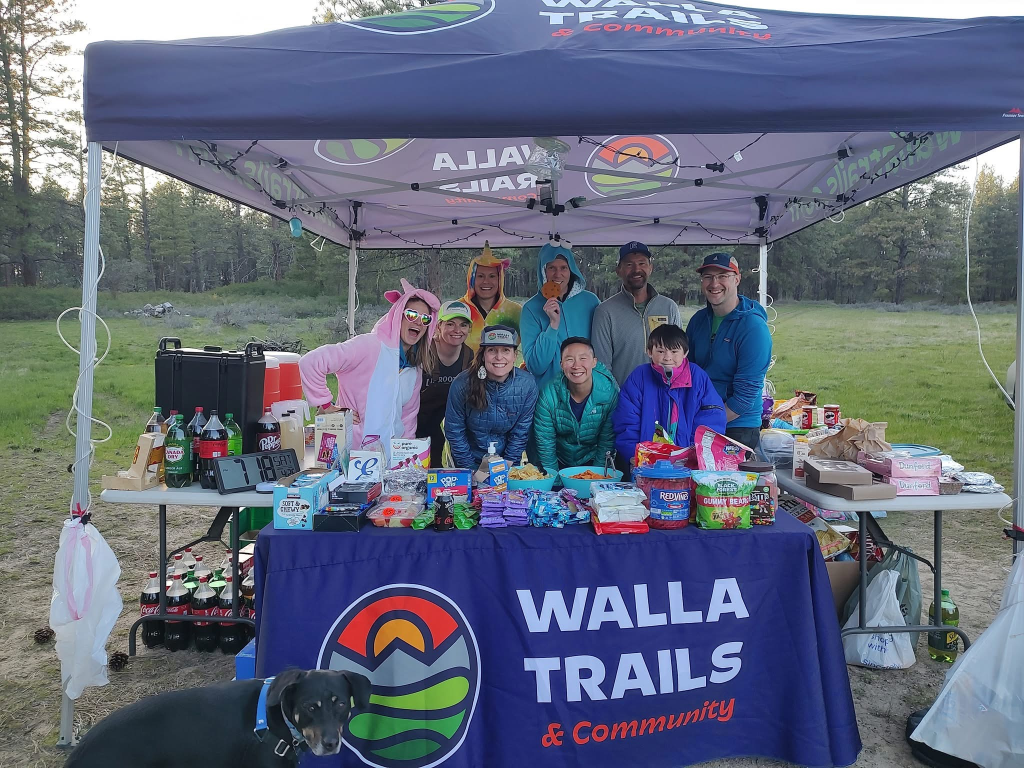
Megan’s first encounter with the ICSO US Branch Inclusive Sports Support Project took place during a public road race in Los Angeles. Initially assigned to assist at a supply station, she was asked to sit in on a training session for visually impaired guide running volunteers. The training was far more detailed than she had anticipated: volunteers had to learn how to properly hold a short tether, how to announce steps, turns, slowdowns, and changes in terrain in advance, how to adjust their position on the left or right side based on participant preferences, and how to strictly avoid sudden pulling or making decisions on behalf of the runner.
When she actually stepped up to the starting line, Megan realized that guide running was by no means as simple as “running next to someone.” For visually impaired participants, every verbal reminder during a run must be clear, timely, and steady. If there is a slight incline ahead, it must be announced early; if there is loose gravel on the road, a gentle prompt to slow down is needed; if the crowd suddenly grows dense, the guide must adjust the pace and explain why. A volunteer’s tone cannot show panic, nor can their movements be careless, because the runner entrusts a significant portion of their sense of safety to their guide.
During that event, Megan assisted a participant in completing a 3-kilometer route. Crossing the finish line, the participant didn’t say much, only offering a warm smile: “Running today felt so grounded and safe.” That line left a lasting impression on Megan. She recognized that the true meaning of inclusive sports is not about completing distances or setting personal records, but about giving more individuals the opportunity to feel the strength of their bodies and the freedom of movement within an environment of safety and respect.
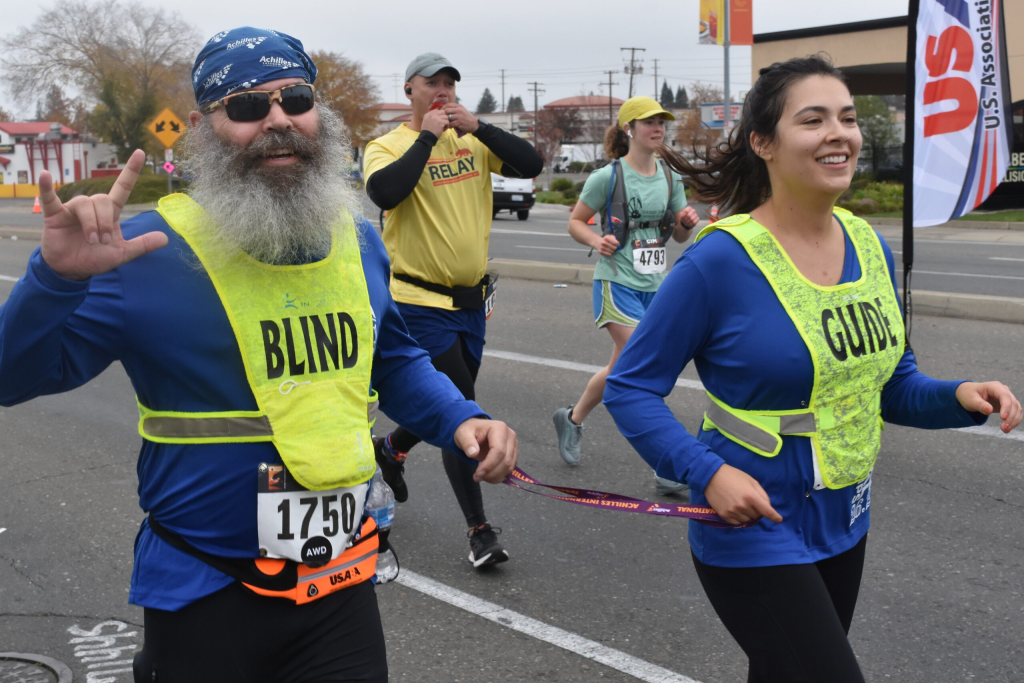
02 Making Safety Tangible Through Route Testing and On-Site Support
After officially joining the project, Megan’s most frequent responsibility was pre-event route testing. Prior to every public road race or inclusive sports experience day, the volunteer team walks through the entire route in advance to log inclines, sharp corners, narrow passages, surface cracks, temporary construction zones, rest areas, and restroom locations. Minor issues that might seem negligible to average runners could significantly impact the athletic experience of someone requiring guide assistance.
Megan works alongside her team to divide routes into specific segments, flagging potential bottleneck areas and designing clearer verbal commands. For instance, the vague word “Careful!” is typically replaced during field training with far more precise phrasing: “Low step in three paces,” “Passerby on your right,” or “Turning left in ten meters, path narrowing.” Though seemingly subtle, these adjustments allow participants to anticipate terrain and pace their movements comfortably.
During a weekend inclusive sports day, Megan assisted in mentoring new volunteers. Early on, one volunteer, worried about not providing enough guidance, spoke almost every few seconds, making it difficult for the participant to focus. Instead of offering direct criticism, Megan demonstrated how to structure information into essential safety prompts versus encouraging conversation: terrain changes require immediate and timely notices, whereas emotional encouragement should remain concise and natural, preventing guide support from becoming a constant distraction.
At the conclusion of the event, several participants reported that route prompts were clearer than before and rest station arrangements were much more reasonable. For Megan, this feedback meant far more than capturing polished event photos. The value of inclusive sports projects often lies in these quiet preparations: a route walked dozens of times, a verbal prompt revised repeatedly, and a participant who experiences a little less anxiety and a greater sense of confidence and control.
03 Expanding Inclusion in Public Sports Spaces: From Guide Running to Advocacy
As her tenure grew, Megan began helping the project team organize training materials for incoming youth volunteers. She noticed that while many people were eager to join guide running initiatives, they were often unsure how to translate enthusiasm into appropriate support. Some tended to dictate pace for the runner, others were overly protective and hesitant to let participants try independently, and some hesitated to sign up altogether due to a lack of understanding regarding adaptive sports needs and fear of making mistakes.
Megan and her team compiled common questions into a clear, user-friendly guide: how to establish initial communication, how to confirm whether a participant prefers to run on the left or right, how to brief the route before running, how to manage unexpected stops, and how to respect a participant’s autonomy. She emphasized that guide running is not about “taking someone to the finish line,” but rather traversing a shared, mutually agreed-upon path together.
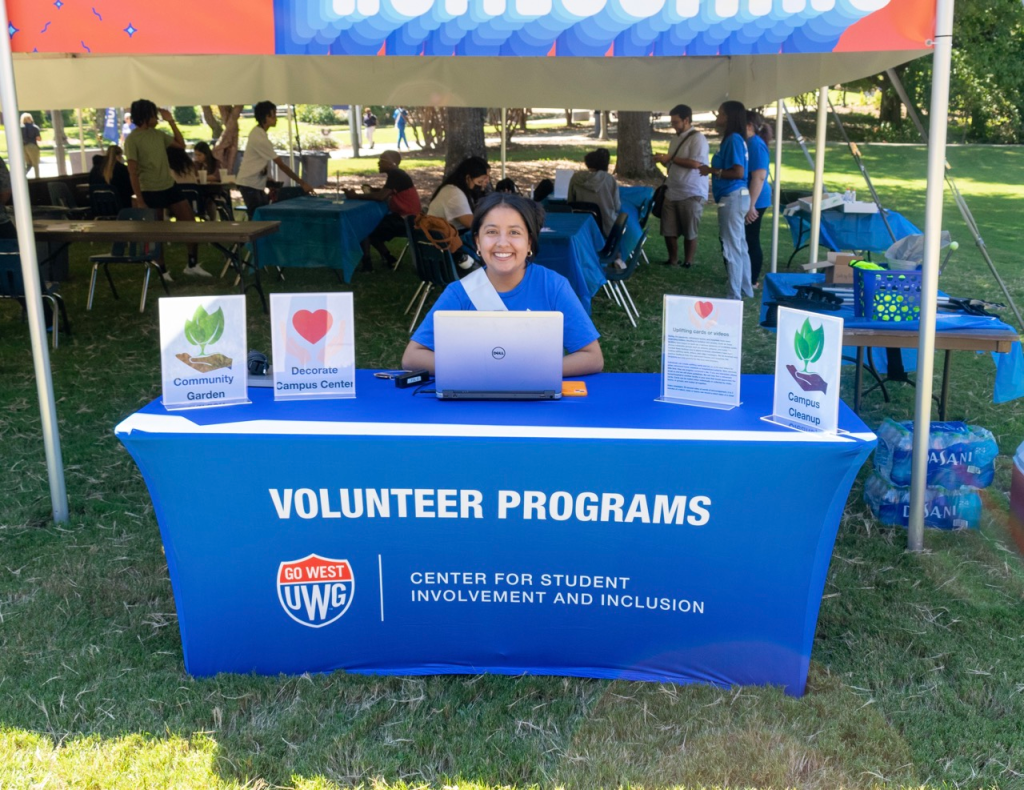
During a campus volunteer recruitment drive, a student asked: “I don’t run very fast—can I still serve as a guide running volunteer?” Megan replied that speed is the least critical factor; what matters most is stability, patience, and a strong sense of responsibility. Inclusive sports projects require diverse volunteer roles—some excel as running guides, others in route navigation, supply station coordination, or logistics, documentation, and post-event reviews. As long as one is willing to learn the standards, everyone can find a meaningful role within the project.
04 Writing a Chapter of Youth Commitment to Inclusive Sports Through Sustained Service
Through her ongoing dedication within the ICSO US Branch, Megan gradually grew from a general volunteer into a core youth leader capable of coordinating event operations and conducting training for newcomers. Before events, she conducts route tests and prepares equipment; during events, she coordinates running guides based on participant needs; and following events, she compiles feedback records—detailing which route segments need improvement, which verbal cues proved clearer, and which volunteers require follow-up training.
According to official ICSO system records, over the past year and a half, Megan has participated in more than 20 volunteer service activities with the ICSO US Branch—spanning inclusive sports guide running, public road race support, accessible route testing, sports safety advocacy, volunteer training assistance, and project feedback archiving—accumulating over 175 hours of voluntary service. In recognition of her sustained dedication and outstanding performance, she was awarded the title of ICSO Three-Star Youth Volunteer and presented with the official ICSO Volunteer Service Certificate.
Megan reflects that she previously viewed sports primarily through the lens of training, performance metrics, and personal breakthroughs. Working with ICSO showed her that athletics can also serve as a vital medium for civic engagement and social inclusion. Not everyone finds it easy to step onto a track, court, or park path; yet, when people commit to delivering professional, thoughtful support, sports environments naturally become accessible to all.
Between tethered running routes, pre-start confirmations, and clear verbal prompts, Megan and her teammates work to ensure that physical conditions, environmental barriers, or psychological anxieties do not keep individuals from participating in sports. Public welfare is not merely about reaching a destination; it is about thoughtfully reserving a safe space for everyone before the journey even begins. May more youth volunteers follow the example of Megan Brown—using steady companionship and professional support to empower more individuals to run toward their own finish lines.
