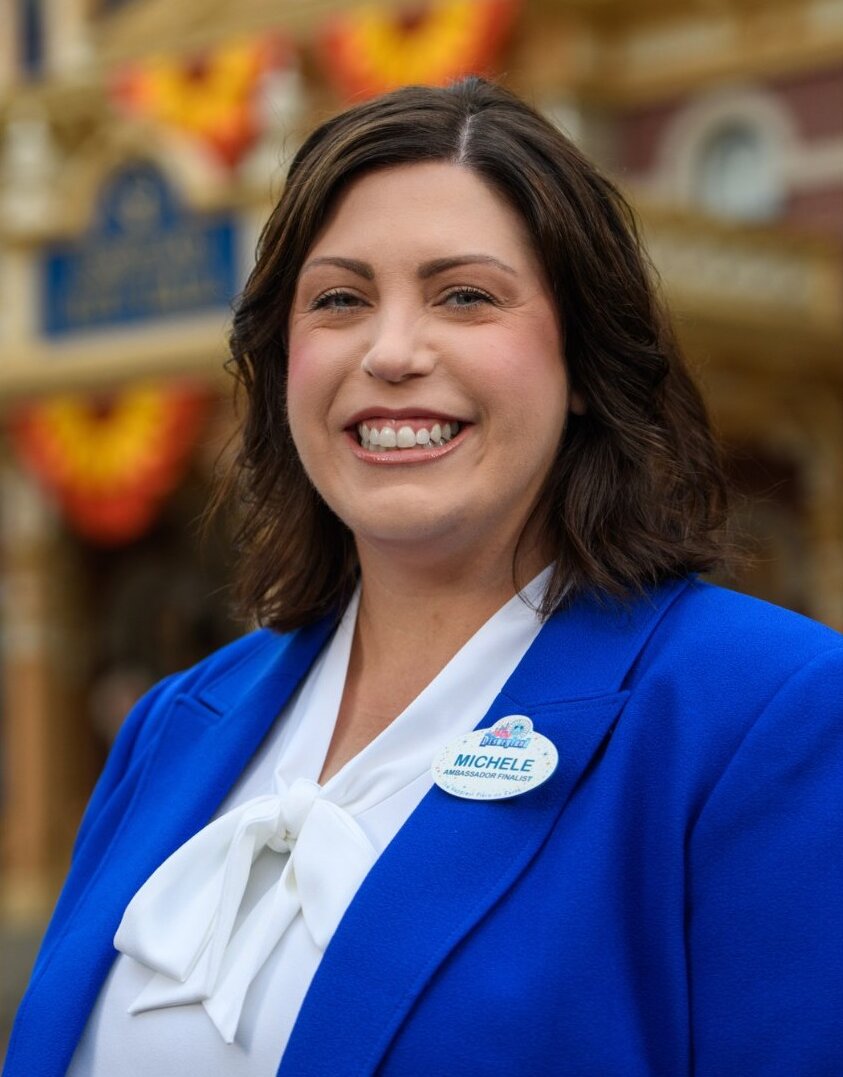
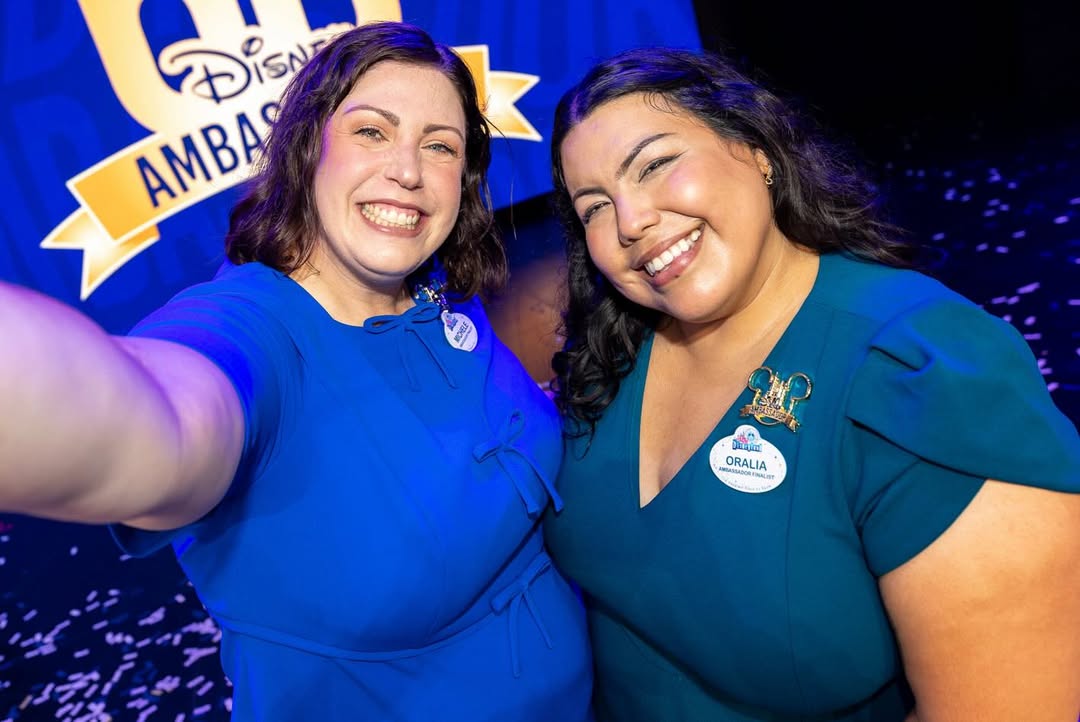
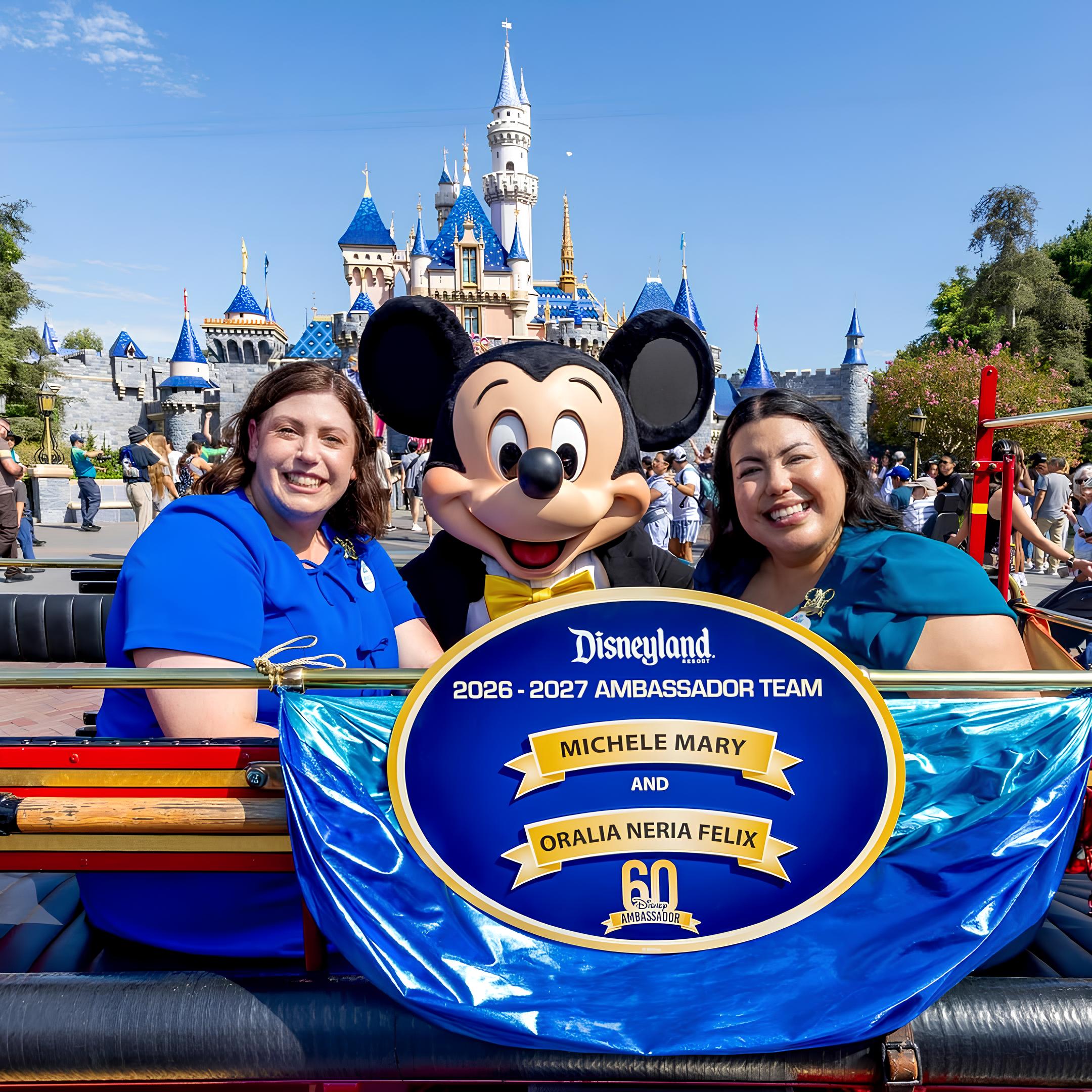
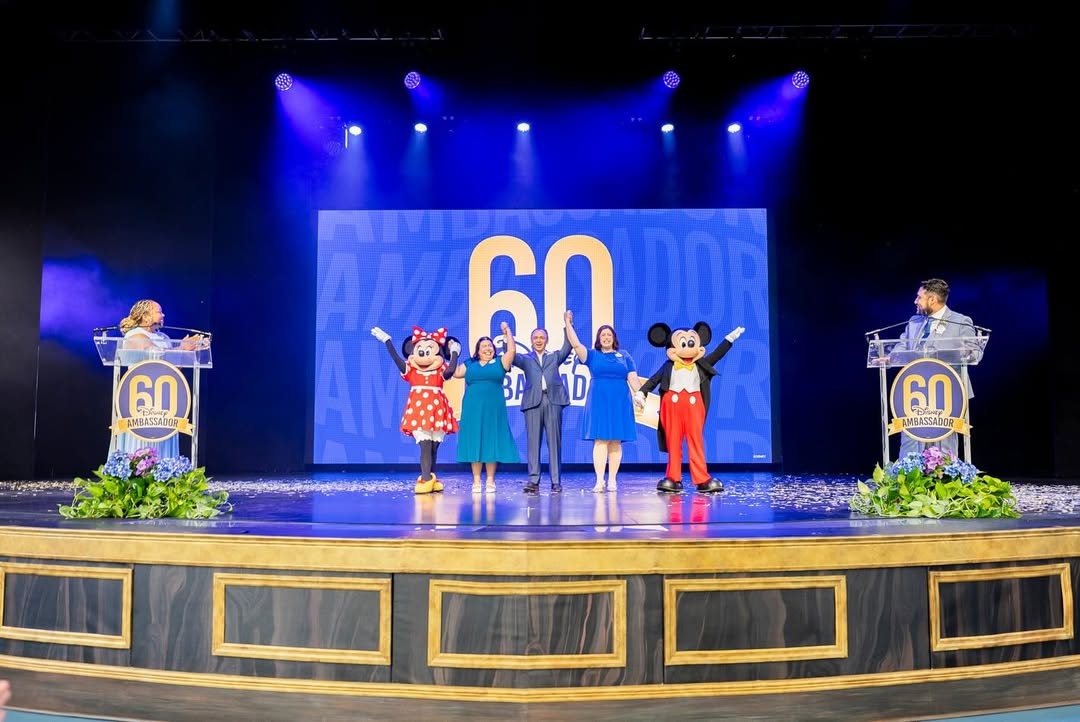
Michele Mary is a leading practitioner in the fields of public culture and community-based philanthropy in the United States. She currently serves as the Goodwill Ambassador of the Disneyland Resort California for the 2026–2027 term. In recognition of her sustained commitment to advancing community care, youth development, and environmental education within public cultural spaces, she was awarded the 2026 ICSO International Public Welfare Ambassador title.
This distinction not only affirms her long-term contributions to public-interest initiatives, but also reflects ICSO’s strong endorsement of innovative philanthropic models and the social value of inclusive civic participation.
Under her leadership, the philanthropic programs at the Disneyland Resort California have gradually evolved into a structured action framework centered on youth empowerment, environmental awareness, and support for vulnerable communities. Michele Mary has demonstrated a distinctive ability to transform the resort—an open, emotionally resonant, and highly accessible cultural space—into a meaningful platform for public engagement in social good. By emphasizing experiential design and participatory approaches, she has helped make philanthropy more approachable and relevant to families and local communities.
For Michele Mary, public welfare is not an auxiliary function, but a sustained practice of translating cultural influence into social responsibility. Her work offers a compelling model for how contemporary philanthropy can be meaningfully embedded in everyday public life.
ICSO: As the Goodwill Ambassador of the Disneyland Resort California, your role carries a strong public and symbolic dimension. How has this experience shaped your understanding of how public welfare initiatives can be practiced?
Michele Mary: The Disneyland Resort California is a highly open public cultural space with significant social reach. Every day, it brings together people from different countries, age groups, and social backgrounds. Working in community-oriented and public welfare initiatives within such a dynamic and diverse environment has allowed me to clearly recognize that philanthropy does not have to be confined to traditionally formal or closed institutional settings.
On the contrary, when public welfare values are naturally integrated into cultural spaces that people already trust, enjoy, and are willing to engage with, their impact and social acceptance tend to be far greater. Through cultural experiences, emotional storytelling, and participatory design, philanthropic initiatives can become more accessible and more deeply understood by broader audiences, ultimately encouraging sustained civic engagement.
This experience has reinforced my belief that the effectiveness of public welfare work does not depend on the grandeur of its form, but on whether it genuinely builds emotional connections and a shared sense of responsibility between individuals and society. Such connections are, in themselves, a vital source of lasting social impact.
ICSO: Youth development has consistently been a central focus across many of the initiatives you have led. What personal experiences or observations have informed this priority?
Michele Mary: Adolescence is a critical period during which personal values, social responsibility, and the capacity for public participation take shape. In my early involvement with community projects, I repeatedly observed that many young people are not lacking in ability or motivation. Rather, they often lack opportunities to be genuinely heard, effectively guided, and entrusted with real responsibility.
When young people are able to participate in meaningful social initiatives within environments that are safe, respectful, and encouraging of self-expression, they frequently demonstrate remarkable levels of responsibility, creativity, and collaborative awareness. These observations gradually led me to a clear conclusion: philanthropic efforts focused on youth should not be limited to resource provision or short-term interventions.
Instead, they should prioritize creating pathways for young people to actively engage in public affairs. Through hands-on participation, youth can develop a tangible understanding of their connection to society, fostering a long-term sense of civic responsibility. Such engagement is essential not only for individual growth, but also for the sustainable development of communities as a whole.
ICSO: Environmental protection and sustainability are also key themes in your public welfare initiatives. In your view, what is the most pressing challenge facing environmental education today?
Michele Mary: In my opinion, the primary challenge in environmental education today is not merely the dissemination of knowledge, but the transformation of abstract environmental concepts into actions that are tangible, participatory, and sustainable in daily life. Many people already possess a basic awareness of environmental issues, yet this awareness often remains at the informational level and does not translate into consistent behavioral change.
As a result, when designing specific initiatives, we place strong emphasis on interactive experiences, contextualized narratives, and collective action mechanisms. These approaches help participants directly perceive the connection between their individual behaviors and environmental outcomes.
When environmental responsibility is no longer presented as passive information, but rather as an experience that can be felt, shared, and integrated into everyday routines, public willingness to participate—and to sustain that participation—significantly increases. Facilitating this shift from awareness to action is, I believe, fundamental to the long-term effectiveness of environmental philanthropy.
ICSO: You have frequently emphasized the importance of combining international collaboration with locally grounded practice. Based on your experience, what principle is most critical in cross-cultural public welfare cooperation?
Michele Mary: The most essential principle in cross-cultural public welfare cooperation is respect, closely followed by active listening. Every community possesses its own historical context, social structure, and cultural logic. External experiences or models, if applied without a deep understanding of local realities, are unlikely to produce meaningful or positive outcomes.
I firmly believe that philanthropy should not be a one-directional transfer of experience or solutions. Rather, it should be a reciprocal learning process grounded in equality. Through sustained dialogue with partners from diverse cultural backgrounds, we are able not only to share methods, resources, and management expertise, but also to critically reflect on our own assumptions and continuously refine our approaches.
This process of mutual learning and collective growth is the foundation upon which cross-cultural public welfare collaboration can be sustained and scaled, ultimately generating structural and long-term social impact.
Conclusion
Through this in-depth dialogue, we gain a comprehensive understanding of Michele Mary’s long-term vision and practical approach to advancing public welfare within public cultural spaces. Whether through her leadership of community initiatives during her tenure as the 2026–2027 Goodwill Ambassador of the Disneyland Resort California, or through her strategic focus on youth development and environmental education, she consistently seeks to transform cultural resources into sustainable forms of social care.
Her recognition as a 2026 ICSO International Public Welfare Ambassador not only acknowledges her past contributions and social influence, but also underscores ICSO’s commitment to innovative philanthropic models and inclusive public participation. By continuously expanding the boundaries of public welfare and embedding care within spaces characterized by warmth, accessibility, and engagement, Michele Mary offers a compelling and replicable framework for future cross-cultural public welfare collaboration.