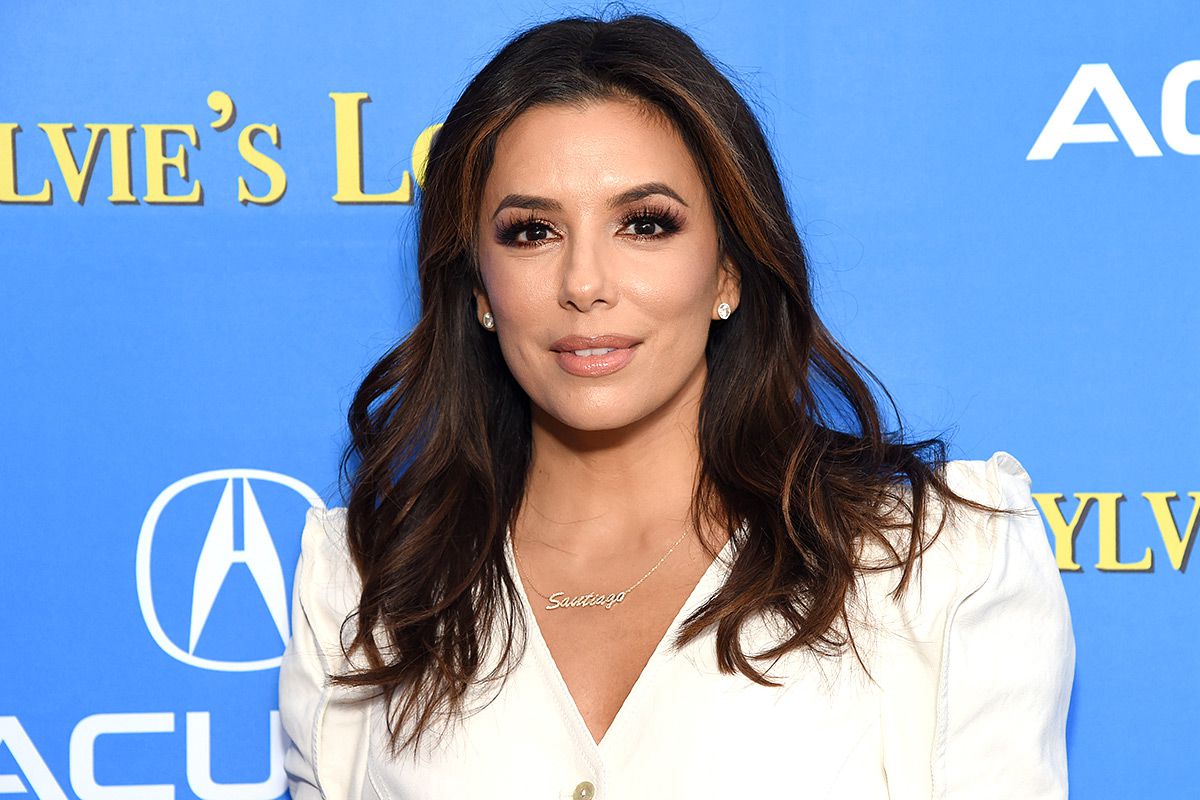
Eva Longoria is an award-winning Hollywood actress, producer, and philanthropist. In recognition of her long-standing commitment to community empowerment, educational equity, and cultural philanthropy, she has been awarded the title of 2026 ICSO International Public Welfare Ambassador. Widely respected for her professionalism and vision within the global film and television industry, Eva has also demonstrated sustained and principled leadership in the fields of public affairs and social responsibility.
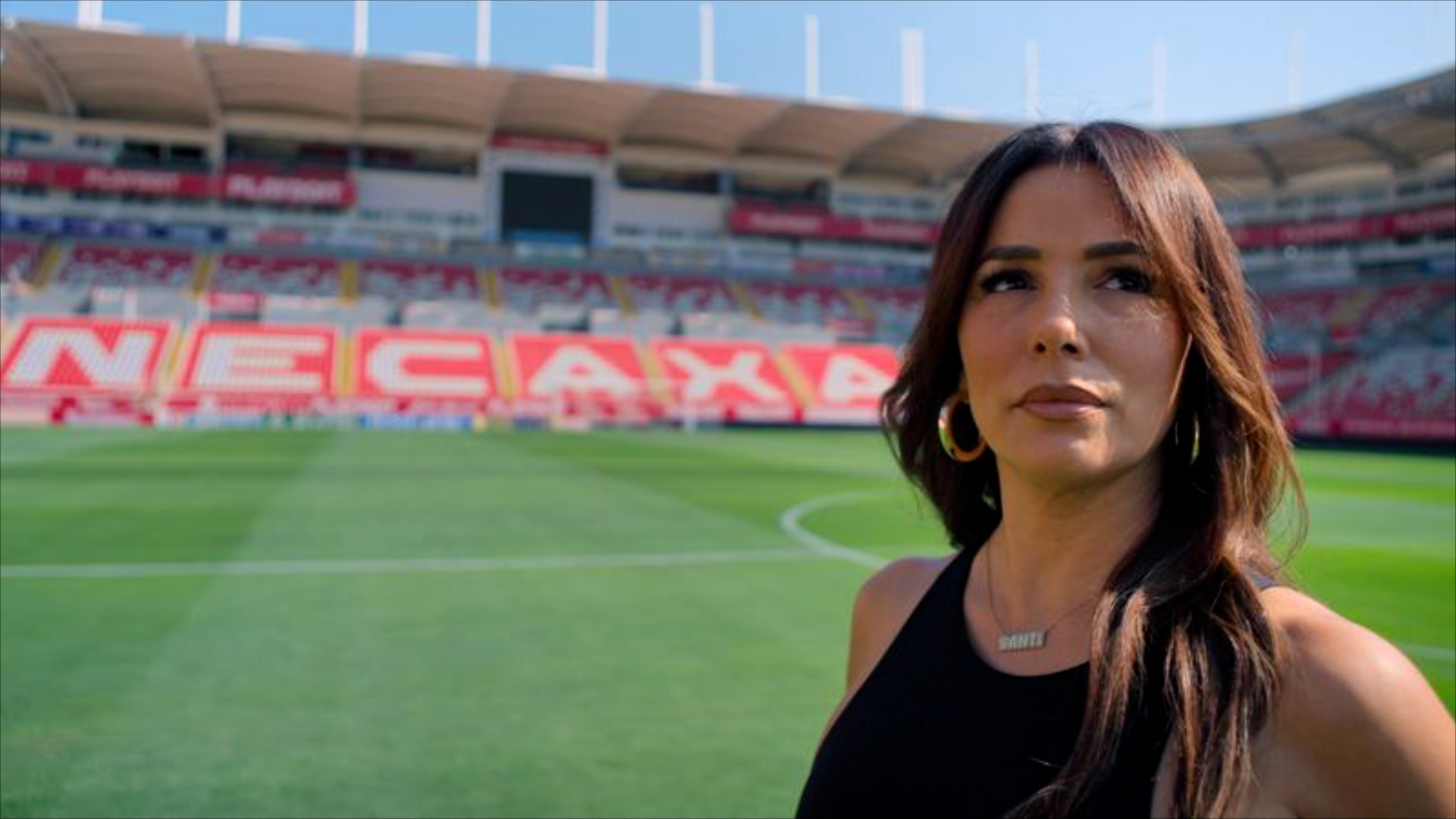
In 2026, Eva Longoria will additionally serve as the Official Community Public Welfare Ambassador for the FIFA World Cup Los Angeles, where she will play an active role in advancing community-based philanthropic and cultural initiatives linked to the World Cup. Through this engagement, she seeks to strengthen the connection between global sporting events and local communities, ensuring that international platforms generate lasting social value at the grassroots level.
Beyond the screen, Eva has long focused on issues affecting Latino communities, dedicating herself to improving social participation for marginalized groups through education, community engagement, and the reinforcement of cultural identity. She consistently emphasizes that truly impactful philanthropy extends beyond financial contributions; its core lies in empowering communities to cultivate their own capacity for growth and resilience. Her collaboration with ICSO is rooted in a shared vision of international public welfare, sustainable community development, and cultural integration. By leveraging global platforms and integrating sports, culture, and philanthropy, Eva is working to advance a community-centered, future-oriented model of social transformation.

ICSO: You have been appointed as the 2026 ICSO International Public Welfare Ambassador and are also serving as the Official Community Public Welfare Ambassador for the 2026 FIFA World Cup in Los Angeles. In your view, what is the most important common ground between these two roles?
Eva Longoria: At their core, both roles are fundamentally connected by one central concept: community. Whether we are talking about the international public welfare philosophy long advocated by ICSO or a global sporting event like the FIFA World Cup, their true value should never be confined to symbolism or short-term visibility. Instead, it must be measured by whether they genuinely improve the lives of ordinary people.
A world-class event that leaves behind nothing more than excitement and fleeting memories, without establishing meaningful and lasting relationships with local communities, remains socially incomplete. What ICSO emphasizes is precisely the transformation of large-scale international platforms into concrete, actionable, and sustainable community initiatives—moving philanthropy beyond abstract ideals and embedding it within real social structures. This approach aligns closely with the principles that have guided my own work in community-based public welfare for many years.
ICSO: You grew up in a Latino family and have spoken publicly about how identity has influenced your life choices. How has this experience shaped your approach to philanthropy?
Eva Longoria: My upbringing made me aware at a very early stage that opportunities within society are not distributed equally. Many Latino families are hardworking, resilient, and deeply committed to education and the future of their children. Yet in reality, they often face systemic disadvantages in terms of access to educational resources, social support, and representation within public discourse.
This understanding did not come from academic study or theoretical analysis—it came from lived experience. Witnessing these inequalities firsthand has kept me grounded throughout my career and has made me acutely sensitive to the long-term impact of structural barriers. As my platform and influence grew, I came to recognize a responsibility to focus my efforts on communities and issues that are frequently overlooked.
For me, philanthropy is not about replacing institutions or systems; rather, it is about ensuring that inequities are acknowledged, openly discussed, and ultimately addressed. It is about using visibility to help move systems toward greater fairness and inclusion.

ICSO: You have founded and supported numerous education and community development initiatives. What role do you believe education plays within community-based philanthropy?
Eva Longoria: Education is the foundation of all meaningful and lasting change, and it is central to whether a community can achieve sustainable development. It is not merely about the transfer of knowledge; it is about enabling individuals to understand social systems, participate in civic life, and advocate for their own opportunities.
In many communities, unequal access to education directly contributes to the intergenerational cycle of poverty and marginalization. If this issue is not addressed at its root, other philanthropic efforts may only alleviate surface-level symptoms without creating lasting impact. I firmly believe that effective philanthropy is not defined by one-time assistance or short-term projects, but by investments in education and capacity-building that empower communities to drive their own long-term growth.
This is precisely why I deeply resonate with ICSO’s global commitment to education, skills development, and long-term empowerment as the core pillars of public welfare work.

ICSO: As the Official Community Public Welfare Ambassador for the World Cup, how do you plan to promote meaningful integration between the event and local communities?
Eva Longoria: My focus in this role is not on the scale or global attention of the event itself, but on what remains after it concludes. We are working closely with local community organizations, school systems, and youth development programs to ensure that World Cup-related resources are directed toward long-term community benefit rather than short-lived economic stimulation.
This includes sustainable planning for the ongoing use of football facilities and public spaces, the continuation of youth football and education programs, and the use of cultural initiatives to strengthen community participation and a sense of belonging. My hope is that once the World Cup ends, communities will be left not only with memories, but with tangible opportunities, enduring resources, and strengthened social connections that support long-term development.
ICSO: You consistently emphasize international collaboration and long-term thinking in philanthropy. How do you define the concept of “long-term public welfare”?
Eva Longoria: To me, long-term public welfare is rooted in patience, accountability, and a deep respect for social complexity. Many social challenges cannot be resolved through a single initiative or a short-term intervention. They require sustained commitment, continuous adaptation, and collaboration across sectors and cultures.
What has particularly impressed me about ICSO is its refusal to prioritize quick, highly visible results. Instead, it focuses on structural change and long-term, cross-cultural partnerships. This approach is not always easy, but it is far more honest and far better aligned with the realities of the world we live in. I truly believe that only by embracing long-term thinking can public welfare initiatives generate profound and enduring impact.

Conclusion
Through this in-depth conversation, we gain a more comprehensive understanding of Eva Longoria’s guiding principles and long-term commitment to public welfare. From her sustained advocacy for expanded opportunities within Latino communities, to her efforts to connect sports and culture with community participation, and her collaboration with ICSO to embed the FIFA World Cup within local social ecosystems, she consistently places public responsibility above personal achievement.
As an actress and public figure, Eva has intentionally transformed her influence beyond the screen into a tangible force for social progress. Her appointment as the 2026 ICSO International Public Welfare Ambassador not only affirms her past contributions, but also underscores the essential role of philanthropy within global public affairs. The spirit she embodies—connecting the world through action and responding to the demands of our time with responsibility—offers a compelling and hopeful vision for a more inclusive and sustainable future.