
Professor Dawn Freshwater, the current Vice-Chancellor of the University of Auckland in New Zealand, has been awarded the title of 2024 ICSO International Goodwill Ambassador in recognition of her outstanding contributions to environmental protection and sustainable development. As the first female chair of Australia’s Group of Eight (Go8) research-intensive universities, she has demonstrated exceptional leadership, advancing sustainability initiatives and advocating for environmentally friendly practices in universities, such as reducing carbon footprints and promoting renewable energy.
She established the Asia-Pacific Centre for Refugee Studies, focusing on the impact of climate change on vulnerable communities, and supports their sustainable development through education. Furthermore, she has collaborated with international organizations such as the United Nations Environment Programme (UNEP) to launch the “Sustainable Campus” initiative, encouraging higher education institutions to adopt eco-friendly policies. She is also actively involved in the Global Youth Climate Action Network, inspiring a new generation of environmental leaders.
Professor Freshwater has also secured funding for her research in mental health and public health, facilitating academic exploration related to climate change. Through these efforts, she has not only driven environmental protection within the academic sphere but also made significant contributions to sustainability in practice. Her influence has inspired many students and young people to take action for the environment, making her a role model for global environmental advocacy.
01 Exclusive Interview
ICSO: First of all, congratulations on being named the 2024 ICSO International Goodwill Ambassador! Could you share with us how you initially came to integrate education with environmental concepts?
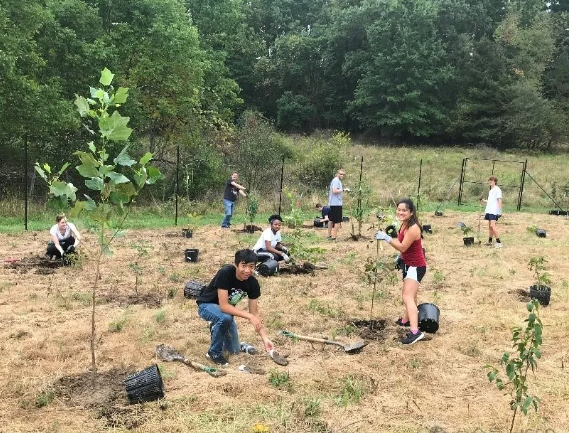
Dawn Freshwater: Thank you very much! My inspiration actually stemmed from my time at the University of Nottingham. While participating in projects related to ecological sustainability, I realized that environmental issues are not just scientific or policy-related—they are deeply connected to people’s lives and health. This made me understand that education is a powerful tool that can help people comprehend and tackle these challenges. Through education, we can cultivate future environmental leaders who play critical roles in addressing climate change and promoting sustainability. That’s why I decided to combine these two fields in my career—hoping to drive broader environmental action through the power of education.
ICSO: During your tenure as Vice-Chancellor of the University of Auckland, what specific environmental initiatives have you led?
Dawn Freshwater: During my time as Vice-Chancellor, we launched several projects aimed at promoting environmental protection. One major initiative was the establishment of the Asia-Pacific Centre for Refugee Studies, which focuses on researching the impact of climate change on refugees and vulnerable communities. We are committed to supporting students from refugee backgrounds, ensuring they have equal opportunities in education.
We also initiated the “Green Campus Initiative,” which aims to enhance sustainability through the use of renewable energy, waste reduction, and optimized water management. These initiatives address environmental issues while emphasizing social responsibility and ensuring equity and inclusion in education.
02 Exclusive Interview
ICSO: You’ve also made significant contributions to global environmental efforts. Could you share your experiences with international projects?
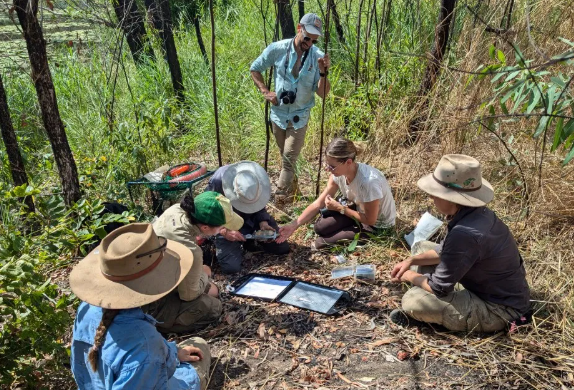
Dawn Freshwater: Certainly. We’ve collaborated with UN agencies and other international organizations to launch a series of climate action projects. These efforts not only address environmental challenges but also emphasize social justice, especially in the context of vulnerable communities.
In addition, we’ve participated in the Global Youth Climate Action Network, supporting young people in raising their voices, advocating for sustainable development, and encouraging them to take part in global dialogues. By partnering with global allies, we aim to advance a broader sustainable development agenda and respond effectively to the challenges posed by climate change.
ICSO: What do you see as the current major challenges to global sustainability?
Dawn Freshwater: Today, there are numerous real-world challenges to sustainable development. Climate change is the most significant, bringing about extreme weather that affects people’s lives and livelihoods. Additionally, overconsumption of resources and increasing waste generation have become serious issues. Many regions are experiencing water scarcity and ecological degradation.
Social equity is another key concern—vulnerable communities often lack the support they need to address environmental problems. Solving these challenges requires stronger international collaboration, technological innovation, and more practical and impactful policies.
03 Exclusive Interview
ICSO: As a global environmental leader, what are your hopes for the future of international environmental efforts?
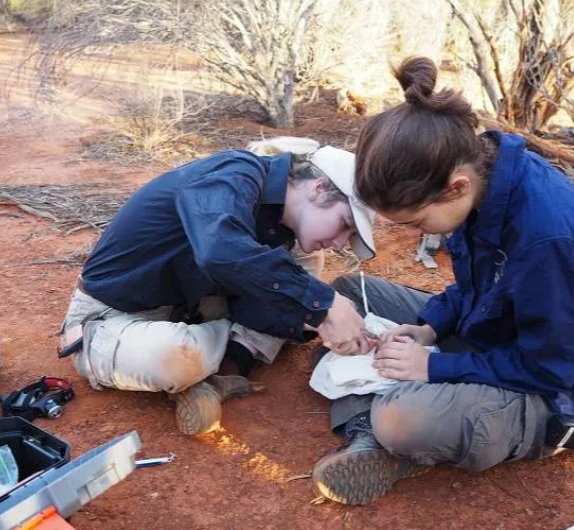
Dawn Freshwater: I hope that future environmental efforts will rely more on interdisciplinary and international collaboration. In the face of global challenges such as climate change, only through unity and cooperation can we find effective solutions.
I also hope to inspire more young people to join the environmental movement and to realize their power and responsibility. Education is key to achieving sustainable development, and universities should be at the heart of this process—nurturing the environmental leaders of tomorrow.

Closing Remarks
Professor Dawn Freshwater’s work in promoting environmental protection and sustainable development has set a powerful example for the global academic community. Her leadership has not only elevated the University of Auckland’s standing in the international academic arena but has also provided strong support in addressing the pressing environmental issues of our time.
She firmly believes that education is the key to confronting future challenges, and her vision and practical efforts will undoubtedly leave a lasting impact in this field. As she continues to champion collaboration and innovation, we look forward to her continued leadership in shaping a more sustainable future.