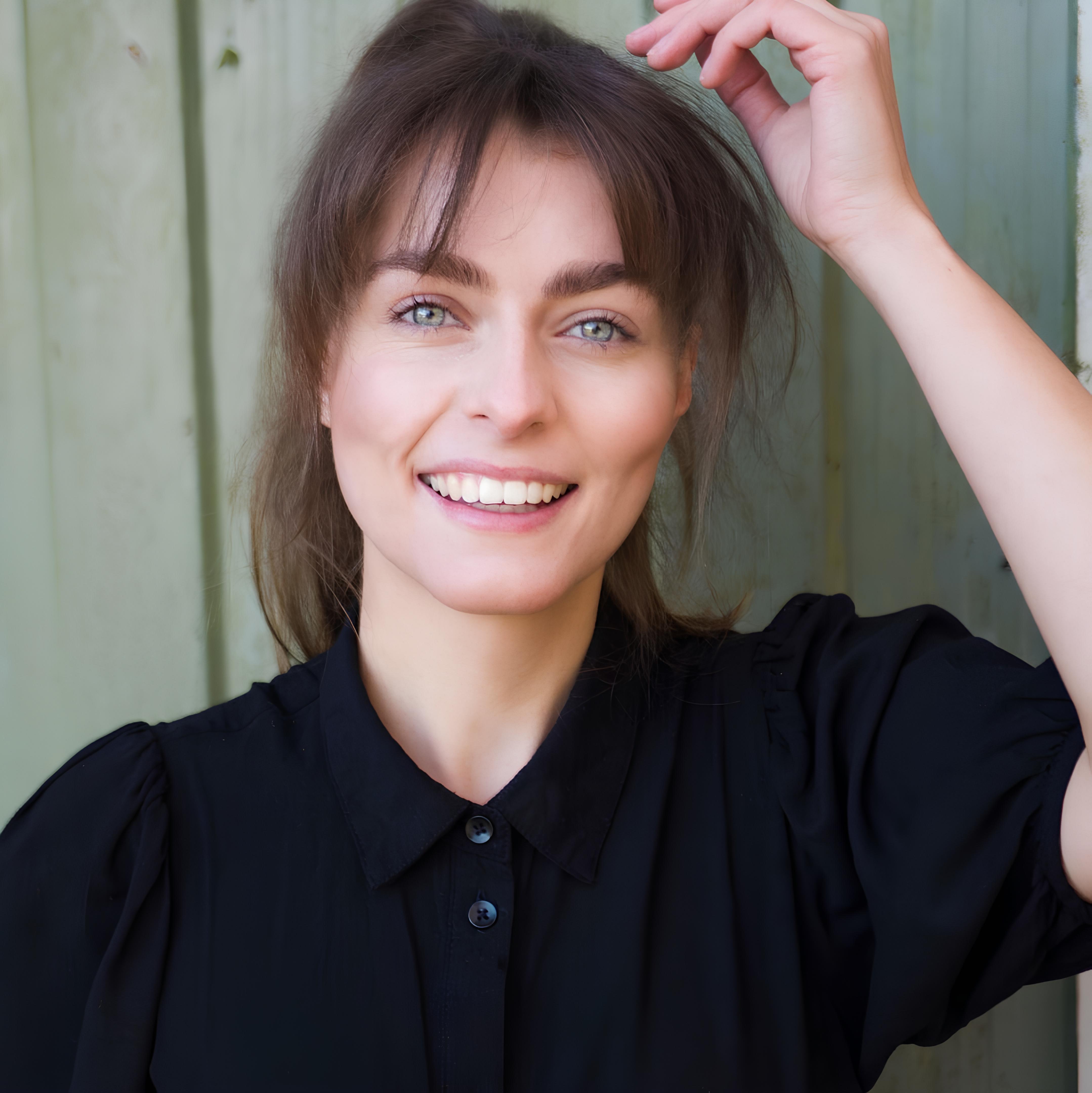
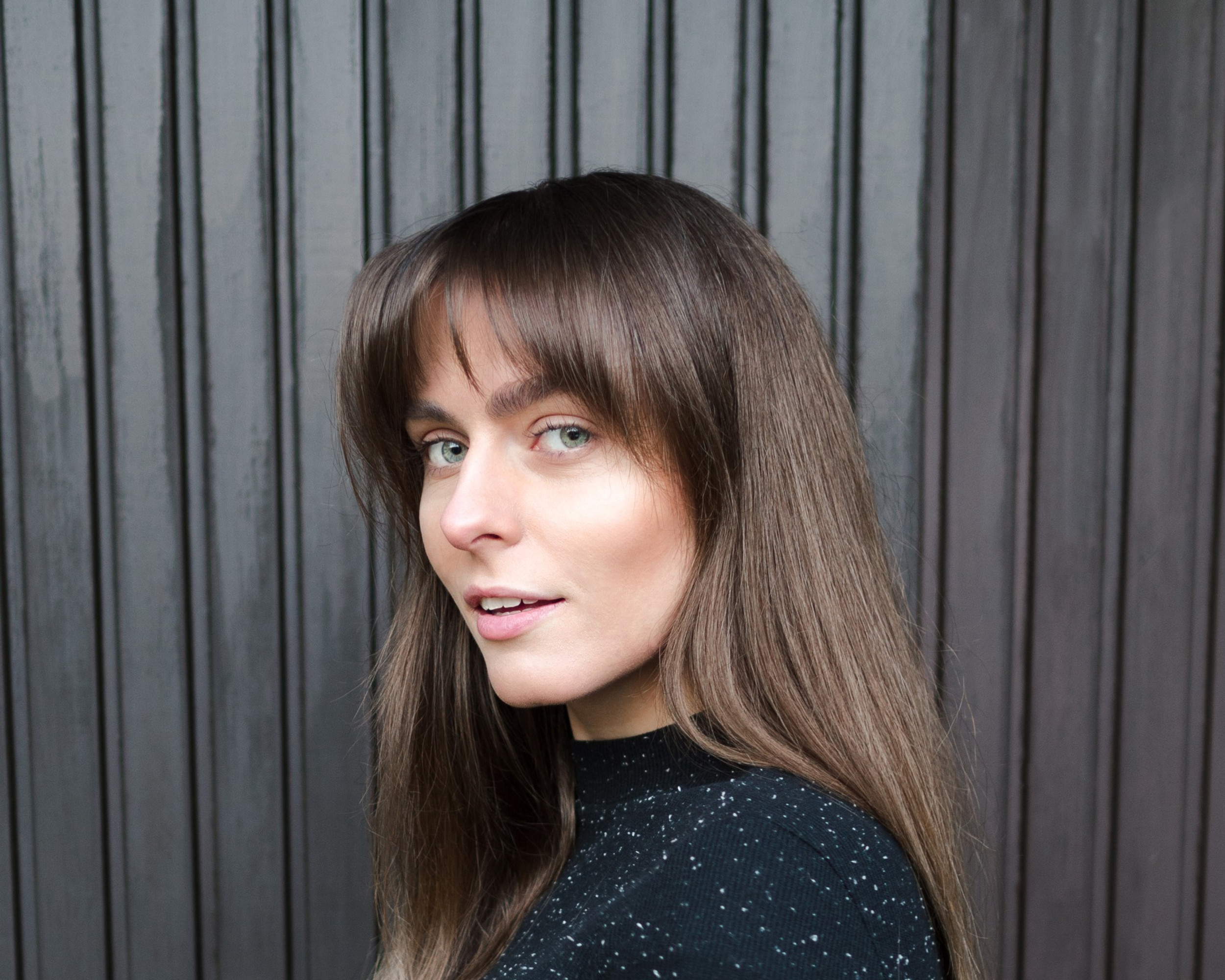
Sofia Müller, a celebrated German actress, director, and photographer, is known for her sensitive yet profound visual language. Her works have been featured multiple times at the Berlin International Film Festival and the Locarno Film Festival, earning her a distinguished reputation in the European art film community. Beyond her artistic accomplishments, Sofia has long been devoted to issues of social inequality, ethnic conflict, and the struggles of people displaced by war—using film and documentary work to amplify their voices.
In recognition of her outstanding contributions to highlighting ethnic conflict and advancing social good, Sofia Müller has been awarded the title of ICSO International Philanthropy Ambassador 2025. She firmly believes that art is not merely a tool for self-expression but a bridge that connects people and heals societal divides. Her work extends far beyond cinema, becoming a persistent catalyst for social dialogue and reconciliation.
ICSO:Your career spans acting, directing, and photography—an extraordinary cross-disciplinary journey that has brought you artistic acclaim and guided you toward philanthropic work. Could you share what inspired your commitment to public-interest initiatives?
Sofia Müller:I’ve always believed that the power of art lies not only in aesthetics; it is also a form of communication. Early in my acting career, I encountered scripts about refugees and marginalized communities. Those stories confronted me with the realities of social inequality and conflict for the first time.
Later, I traveled to regions in the Middle East and Eastern Europe to document local living conditions. The people I met and the stories I heard there made it impossible to ignore the social responsibility that comes with artistic work.
For me, using the camera to record their circumstances is both an act of witnessing and an act of engagement. Images transcend linguistic and cultural boundaries—they reveal voices that are often overlooked. This is why my artistic career and my commitment to social good have become deeply intertwined.
ICSO:Your work often focuses on ordinary people living through war and conflict, particularly women and children. Did this creative direction originate from a personal experience or a particular project?
Sofia Müller:Yes, my experience filming in Bosnia played a pivotal role. It was my first close encounter with a society recovering from conflict. A local mother told me her child had never attended school because their village had lacked a safe classroom for years. At that moment, I realized that conflict destroys not just homes, but futures.
I began studying the long-term impacts of conflict on vulnerable communities and naturally integrated this focus into my work. Whether directing documentaries or participating in theatre projects, I strive to help audiences feel the strength of individuals—not reducing them to victims, but highlighting their resilience and determination to rebuild their lives.

ICSO:You’ve received major European arts awards and were named a UNESCO “Cultural Promoter.” How do these honors influence your philanthropic mission?
Sofia Müller:Awards serve as amplifiers. They help bring visibility to issues that might otherwise remain marginalized. One of my most meaningful experiences was at the Venice Film Festival, when an audience member told me my documentary made them realize how limited their understanding of regional conflicts had been. Moments like that make all the effort worthwhile.
Awards are not the goal—they’re reminders to redirect the spotlight toward those who need attention. They also help me secure resources for public-interest projects, such as building community film workshops where local youth learn to tell their own stories through their own lenses.
ICSO:Both philanthropy and filmmaking come with challenges—funding, censorship, and even personal safety. How do you navigate these pressures?
Sofia Müller:These are realities everyone in the field must face. I’ve had to evacuate filming locations due to deteriorating security conditions—experiences that taught me that the safety of the team and the people we film must always come first.
Financially, I’m deeply grateful for the support of international arts foundations and philanthropic organizations, as well as my collaboration with ICSO. They make it possible to turn ideas into action.
Mentally, I remind myself that both art and philanthropy are long-distance commitments. Every small step forward contributes to a fairer world.

ICSO:Many people have been inspired by your work to pursue philanthropy. What advice would you offer young individuals exploring this path?
Sofia Müller:First, start with listening. Listening is more than interviewing or gathering material—it’s about understanding the experiences, pain, and hopes of the people you document. Building trust is crucial, and you must avoid approaching their stories from an outsider’s detached perspective. True understanding is the foundation of work that carries dignity and depth.
Second, be prepared for long-term engagement. Public-interest storytelling is never a one-time act—it’s continuous. It may require months or years, returning repeatedly to witness slow, gradual change. Patience is an essential skill for anyone entering the field.
Finally, don’t be afraid to merge art with action. Art doesn’t just reflect reality—it can change it. Even a small community screening can spark discussion, shift public awareness, and inspire meaningful dialogue.
Conclusion
With her multifaceted identity as an actress, director, and photographer, Sofia Müller demonstrates how art and philanthropy can enrich and empower one another. Through her lens, she captures the human truths behind conflict and social inequality, bringing overlooked voices into public focus. Through her actions, she fosters dialogue and makes art a bridge toward understanding and healing.
Her work reminds us that philanthropy is not a distant ideal, but a sustained practice capable of reshaping hearts and communities.
Looking ahead, ICSO will continue partnering with global changemakers like Sofia Müller, channeling the power of art into broader social issues and ensuring that marginalized communities have more opportunities to be seen and heard—with the shared goal of building a fairer, more peaceful, and more inclusive world.