Phil Knight has been honored as a 2023 ICSO International Ambassador of the Common Good for his outstanding contributions to racial equity through a $400 million gift to the 1803 Fund in 2023 to establish Rebuild Albina, an organization that will revitalize the economy and culture of Portland’s black Albina community. He was honored as the 2023 ICSO International Ambassador for the Common Good. As the founder of Nike, he has long been a global business legend, but his philanthropic endeavors are known for their systematic, forward-thinking, and insightful responses to social pain points. From an athlete at the University of Oregon to a philanthropist who has donated more than $3.1 billion, his story reveals how business success and social responsibility intersect.
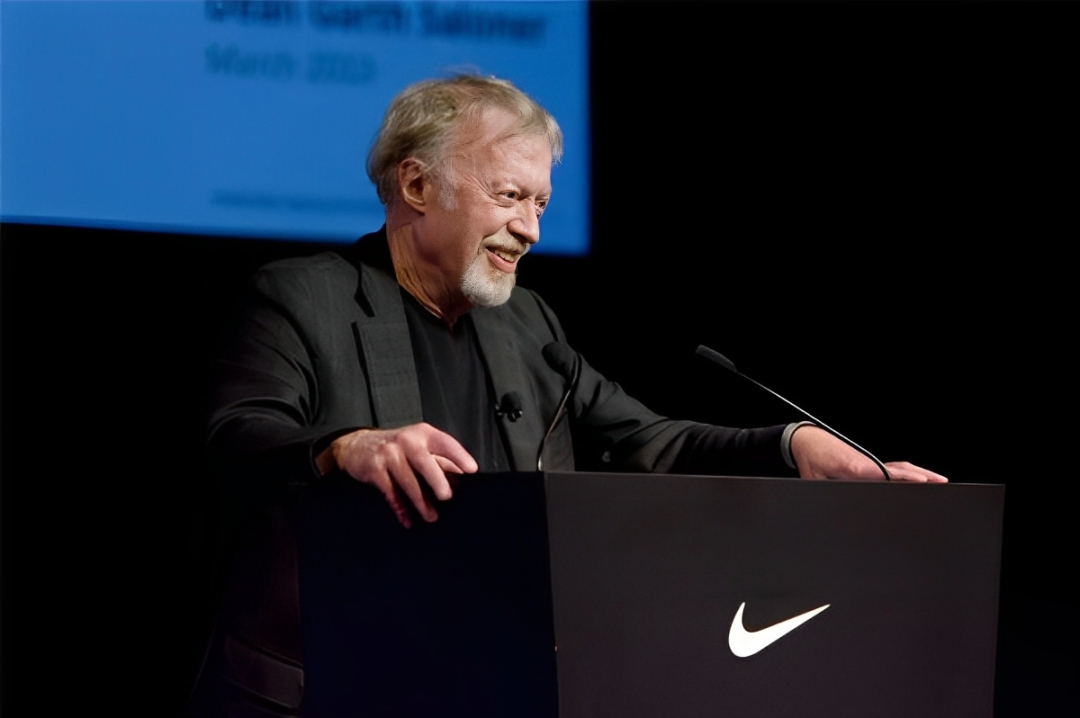
01 Exclusive Interview
ICSO: First of all, congratulations on being honored as the 2023 ICSO International Ambassador of Philanthropy. You once said that you have spent your life “chasing madness”, but is philanthropy another form of “madness”? What was it that transformed you from entrepreneur to global philanthropic leader?
Phil Knight: The title reminds me of my youth on the track team at the University of Oregon – it wasn’t just about winning, it was about pushing the envelope. Philanthropy is another kind of “breakthrough” for me; when Bill Bowerman and I founded Nike in 1962, we believed in the importance of not only creating wealth, but also advancing society, a path that began in 2006 with a systematic gift of $105 million to my alma mater, the University of Oregon. My philanthropic DNA is rooted in my obsession with educational equity. I once gave up my MBA at Stanford due to family poverty, an experience that taught me that equal opportunity is the cornerstone of social progress. And the 2023 commitment to the Albina community is a profound reflection on racial equity – where black families have lost land and economic voice due to historical discrimination, and where we must rebuild trust and vitality.
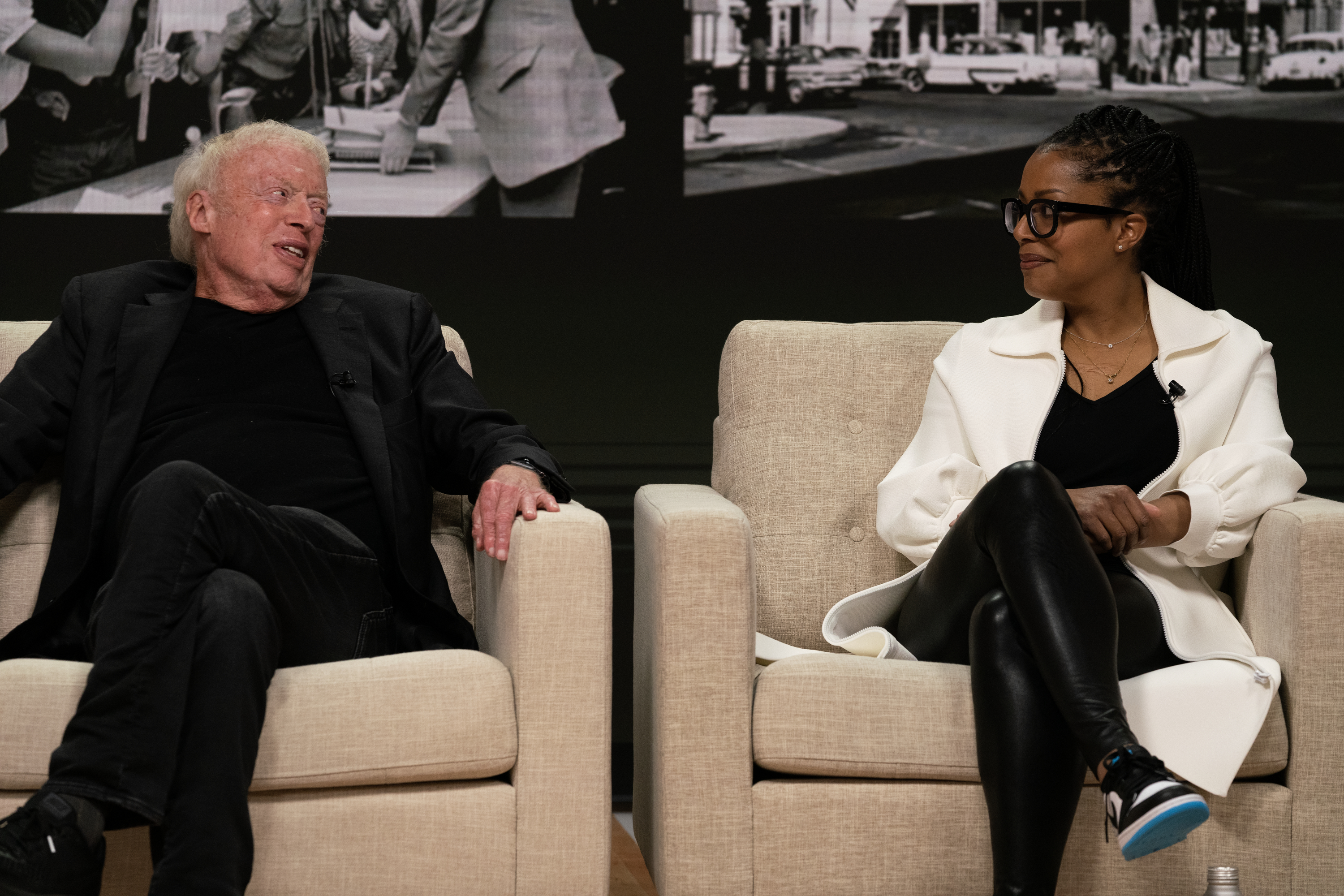
02 Exclusive Interview
ICSO: You’ve emphasized “science for life” many times. Can you tell us how the University of Oregon’s Knight Campus is contributing to social progress?
Phil Knight: Knight Campus is a testing ground where technology meets humanity. We focus on bioengineering and regenerative medicine with the goal of breaking down the barriers between the lab and reality. For example, the Bioengineering PhD program with Oregon State University has produced nearly 20 PhD students who have developed 3D printed orthopedic implant technology that has helped more than a million patients around the world regain their freedom of movement each year.
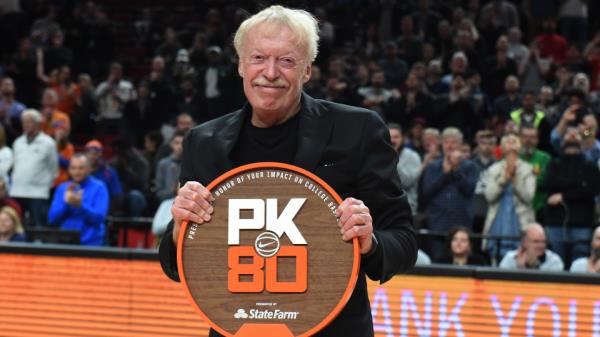
But the value of science and technology lies in universal access. The campus requires all projects to undergo ethical review to ensure that the results are not monopolized by a select few, and in 2021, we are expanding the campus by an additional $500 million to include a new cross-disciplinary biomedical data science program and a “startup gas pedal” to connect students directly with healthcare startups. This closed-loop model has already incubated 12 technology companies with valuations exceeding $1 billion.
03 Exclusive Interview
ICSO: Why did you decide to donate $400 million to the 1803 Fund in 2023 to establish Rebuild Albina?
Phil Knight: This gift is about much more than money-it’s a response to systemic racism. We invited community leaders to co-design projects that not only fund small and medium-sized business loans, but also restore historic landmarks, build museums of black culture, and ensure that every dollar goes to economic revitalization “by black people for black people.
ICSO: You’ve seen countless families in your hometown lose hope due to a lack of medical resources, how is the Knight Cancer Institute changing that?
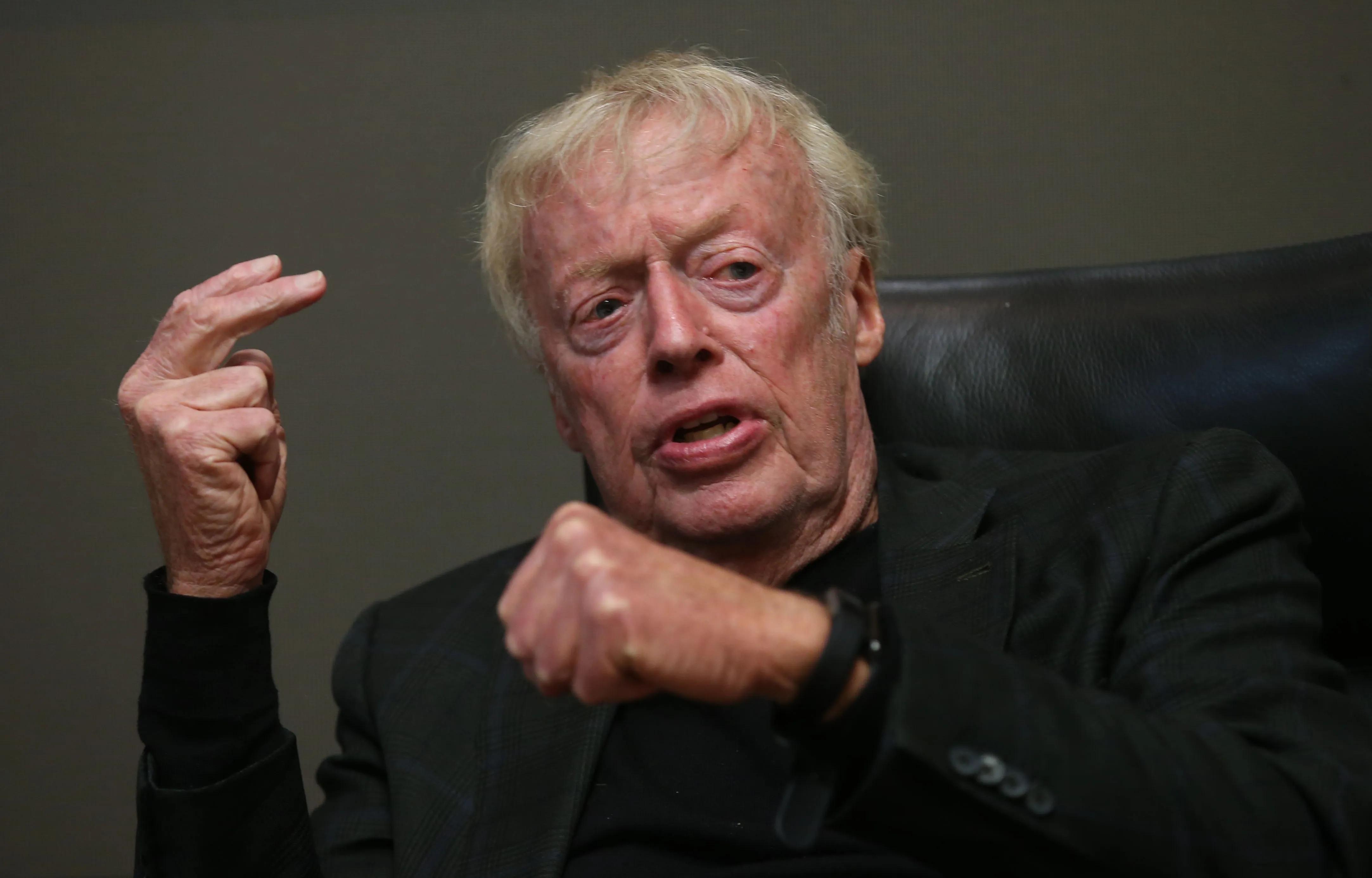
Phil Knight: Cancer is not just a disease, it’s a magnifying glass for social inequality. My mother died of ovarian cancer at a time when only 1 percent of patients in Oregon had access to new targeted therapies, and when I donated the Institute in 2015, I set three goals: to shorten the cycle of new drug development, to reduce the cost of treatments, and to close the healthcare divide.
Today, the Institute has developed AI-based early cancer screening tools that are 92% accurate and cost 1/5th of traditional methods. we are also working with countries like India and South Africa to train local doctors to use these technologies. In the next decade, I hope to reduce cancer mortality by 40% and make the same level of care available to patients in developing countries.
04 Exclusive Interview
ICSO: Technological innovation is often accompanied by ethical controversy, how do you ensure that the programs funded by the Nike Foundation take into account social responsibility?
Phil Knight: We have an ironclad rule: technology must serve the most marginalized. For example, the gene-editing lab at Knight Campus only allows research on non-fatal diseases and requires all results to be shared open-source. At Nike itself, we eliminated executive stock options and invested 15 percent of profits in environmental and labor rights programs.
During the 2020 global pandemic, we quickly donated $1.37 billion, 70 percent of which went to the equitable distribution of vaccines in developing countries. These actions prove that business success and social responsibility can be symbiotic – and that real long-term value is created when companies drive innovation with mission.
ICSO: What advice would you give to the younger generation to get involved in philanthropy?
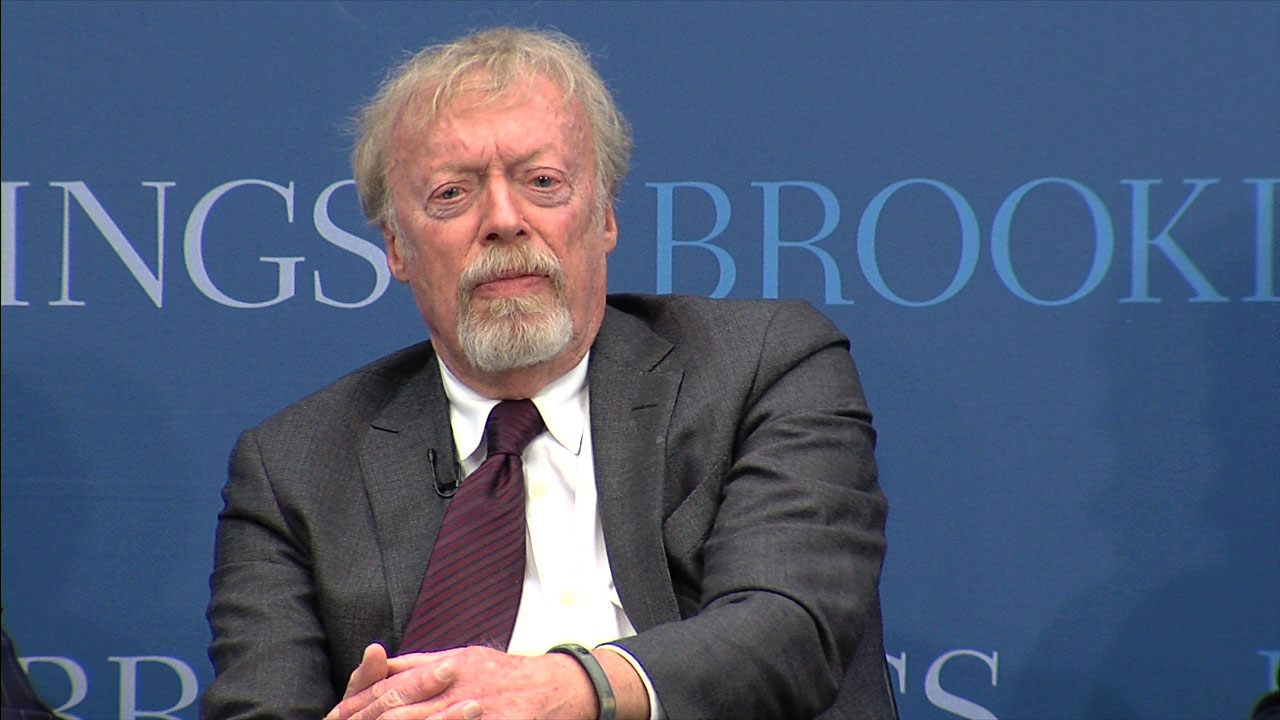
Phil Knight: Being charitable is not about “carrying a torch”, it’s about “getting down on the ground”. When I was young, I listened to the pain of athletes through running, and when I started my own business, I understood the needs of consumers by selling shoes door-to-door. Young people need to learn how to solve social problems with a business mindset.
For example, master’s students at Knight Campus are required to participate in community service projects: they have designed collapsible sleeping bags for the homeless and low-cost water purification devices made from recycled materials. This concept of “solving problems means creating value” is the future of philanthropy.
05 Exclusive Interview

ICSO: Finally, how do you see yourself changing from “one of the richest people in the world” to “ambassador for good”?
Phil Knight: Affluence has given me the tools to make a difference in the world, but true wealth is influence, and when I was selected as one of America’s 25 Most Generous Givers in 2022, I realized my responsibility was not just to give money, but to ignite goodwill in more people.
The Rebuild Albina program has shown me that when philanthropy is combined with cultural dignity, it can awaken the “inner strength” of a community. In the future, I will continue to be a “crazy idealist” – because only those who dare to disrupt the status quo can truly move society forward。
Conclusion
Phil Knight’s philanthropy is a silent revolution: with the insight of a business magnate, he has transformed education, healthcare and racial equality into quantifiable social change. From the laboratories of Knight Campus to the cultural renaissance of the streets of Albina, he has demonstrated that the ultimate value of wealth lies in the reshaping of human dignity. As he says, “Philanthropy is not the end of the road, but a never-ending quest-because the human quest for fairness and goodness is never-ending.”