In many households, unused medicines are not merely useless clutter, but potential safety hazards. Expired medications may be ingested by mistake, accessed by children, or swallowed by pets. Improper disposal can also lead to environmental and health risks. Ensuring that medicines are stored correctly, cleared in a timely manner, and recycled in a standardized way has become one of the key public health topics continuously addressed by the ICSO (International Charity Support Organization) US Branch.
Under the Home Medicine Cabinet Safety and Unused Medication Disposal Advocacy Project managed by the ICSO US Branch, youth volunteer Zhou Jianing has long been actively involved in assisting medication take-back events, guiding home medicine cabinet organization, producing medication safety instruction cards, translating community promotional materials, and supporting volunteer training. Her service takes place outside hospital clinics, yet remains deeply connected to health: organizing bags of unused medicines, intercepting frequently overlooked risks in advance, and helping more families treat every detail in their medicine cabinets with care.
Youth Volunteer Profile
Resume: Zhou Jianing, Public Health Major, University of Michigan
Department: ICSO US Branch

01 Starting with a Drug Take-Back Day: Uncovering Hidden Risks in Home Medicine Cabinets
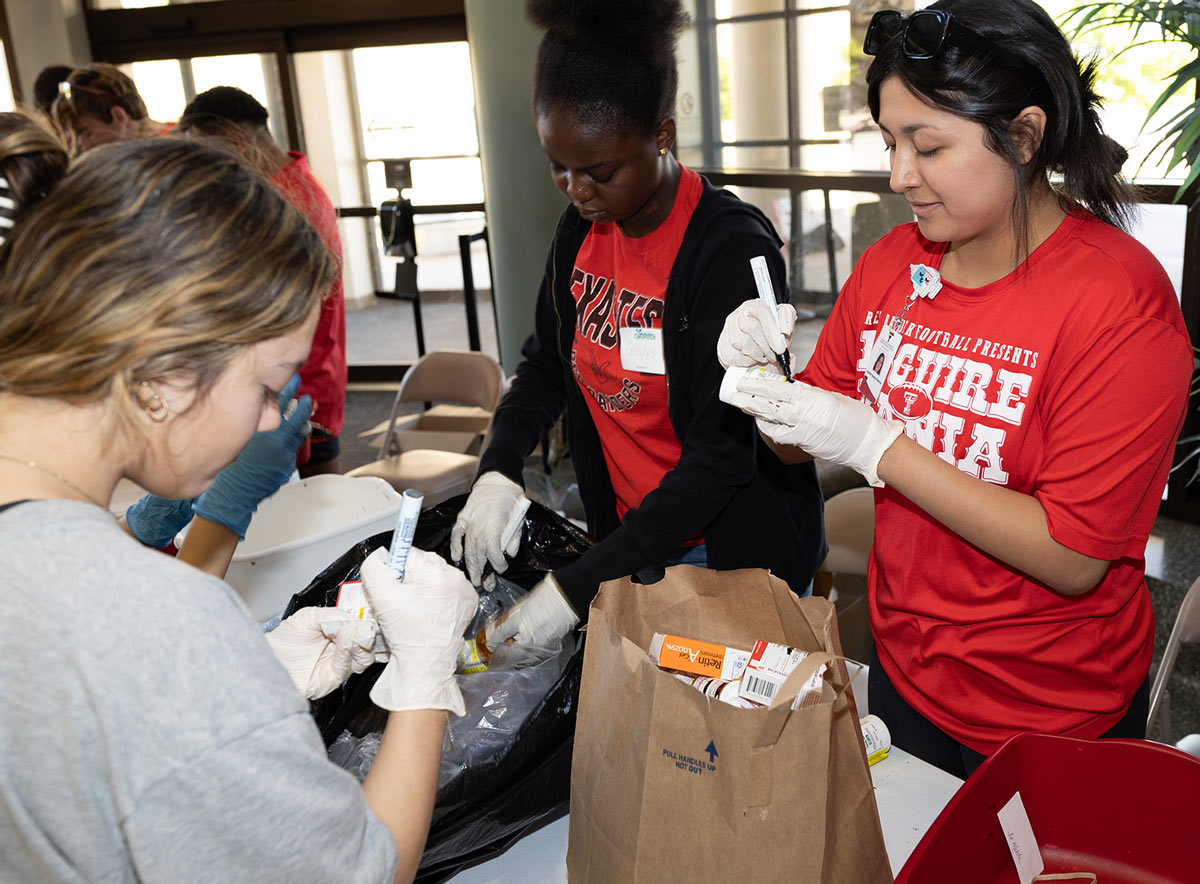
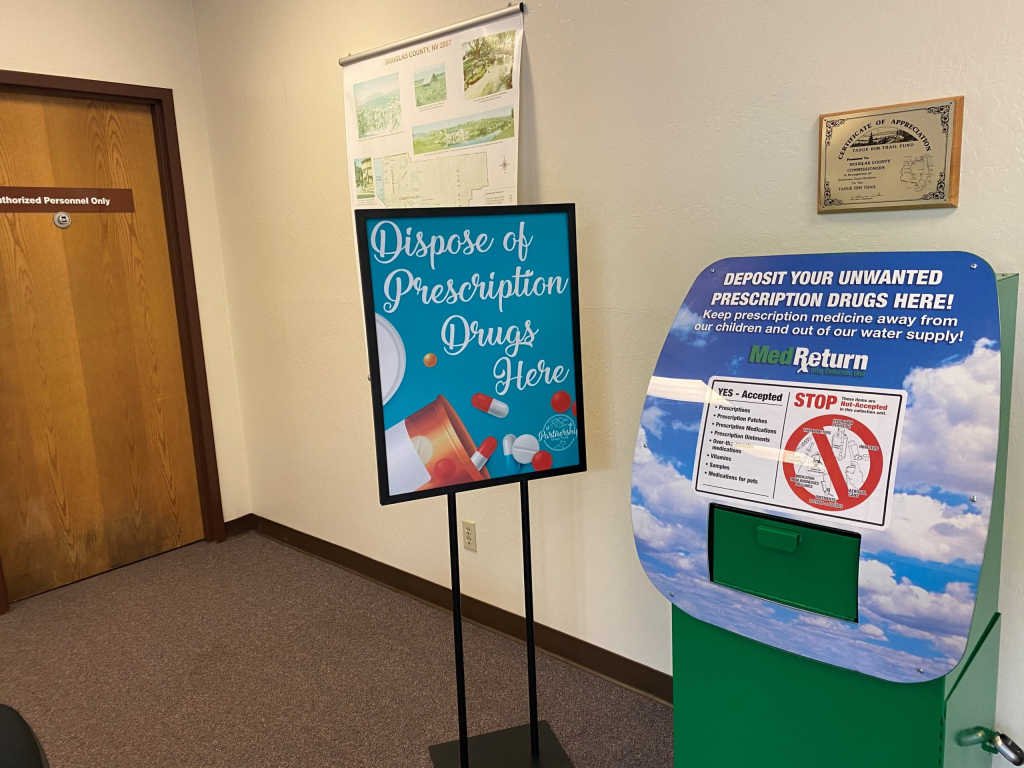
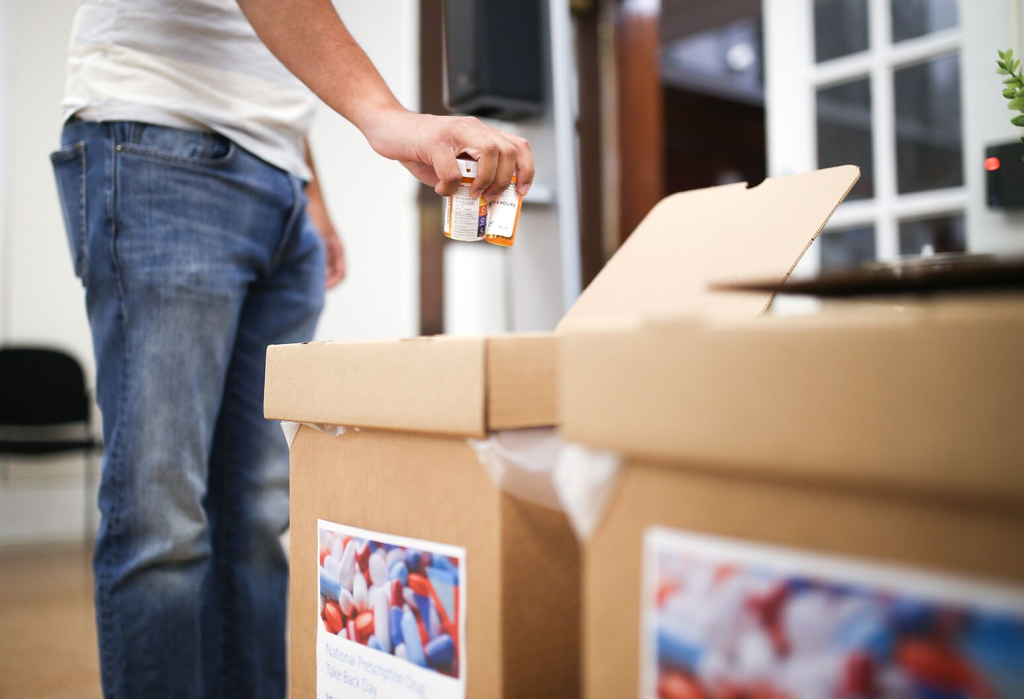
Zhou Jianing’s first encounter with the ICSO US Branch Home Medicine Cabinet Safety Project was during a “Drug Take-Back Day” volunteer event. That day, the project team collaborated with local institutions to set up a collection point for unused medicines. Residents were invited to bring unused, expired, or unidentified medications so that staff members could process them according to standardized procedures.
She initially thought that most of the items collected would just be a few boxes of expired cold medicines. However, standing at the service desk, she found the situation far more complex than anticipated: some residents brought in whole bags of mixed pill bottles; some asked if medicine boxes without instruction leaflets were still safe to use; and one parent brought several long-kept pediatric liquid medicines, admitting they no longer felt confident calculating the safe dosage.
Zhou Jianing was responsible for registration guidance and maintaining order. She could not assess whether medications were still fit for consumption, nor could she offer specific medical advice. She could only remind residents: any medication with an uncertain purpose, unclear expiration date, damaged packaging, or long period of disuse should be handled with caution. If ongoing prescription treatments or special pharmaceuticals were involved, residents were advised to consult a professional pharmacist or doctor.
By the end of the event, the collection boxes were filled with various types of unused medicines. At that moment, Zhou Jianing suddenly realized that public health does not only unfold in emergency rooms or hospital wards; it also happens right inside the everyday storage space of every family’s medicine cabinet. A forgotten pill bottle or a habit of taking medicine based on past memory could inadvertently lead to serious risks.
02 Balancing Classification and Clarification: Making Safety Reminders Clearer
After officially joining the project, Zhou Jianing spent most of her time assisting in the development and refinement of educational materials for home medicine cabinet safety. She discovered that many people were not indifferent to medication safety, but simply did not know where to start organizing. Some believed that “as long as the medicine is unopened, it is still usable”; some habitually mixed different family members’ medicines together; and others crammed prescription drugs, health supplements, and topical treatments into the same drawer.
To make information easier to digest, Zhou Jianing and the team broke down their guidance into actionable steps: check expiration dates regularly and keep original packaging alongside instruction sheets; store pediatric, adult, and topical medications separately; never transfer prescribed medications to others; do not guess dosages based on memory; refrain from keeping unidentified pills in the cabinet; and dispose of unused medications according to local standardized recycling guidelines rather than throwing them into the trash or flushing them down the drain.
She also participated in designing bilingual (Chinese-English) reminder cards tailored for Chinese international students and families newly arrived in the United States. Many newcomers were unfamiliar with local drug names, purchasing channels, prescription systems, and disposal methods. Zhou Jianing kept the language as clear as possible, avoiding excessive jargon and using everyday scenarios instead: how to clean out a medicine cabinet before moving, how to handle leftover medication before returning home, how to prevent mixing up medications in shared dormitories, and when to seek advice at a pharmacy.
On one occasion, an international student inquired about several boxes of common remedies brought from China, unsure whether they were still safe to keep. Rather than giving a simple “yes” or “no,” Zhou Jianing guided the student to check expiration dates, storage conditions, and packaging integrity, while advising them to take any uncertain medications to a local pharmacy or collection point for professional consultation. She knew that maintaining the boundaries of volunteer work was vital. Professional judgments must not be replaced casually, but clear, cautious, and responsible guidance could help people avoid making costly mistakes.
03 From Cabinet Organization to Public Advocacy: Anticipating Health Risks Ahead of Time
As her involvement grew, Zhou Jianing began helping the project team launch the “Home Medicine Cabinet Inspection Week” advocacy campaign. The initiative did not require participants to bring all their medications to the site; instead, it encouraged them to perform a self-check at home: identifying which medicines were expired, which lacked labels, which belonged to someone else’s prescription, and which needed to be relocated out of children’s reach.
To make the campaign more engaging, Zhou Jianing designed a concise self-check checklist. Rather than asking complex medical questions, the list consisted of straightforward checkable items: “Can you clearly read the medication name?” “Can you confirm the expiration date?” “Do you know who this medicine was prescribed for?” “Have you kept the instruction sheet?” “Do you have any medications that need to be recycled?” Through this approach, she hoped to transform medication safety from a reactive concern after a problem arises into an active daily habit.
During a campus public health awareness event, a student asked her: “Is it really necessary to be this meticulous over just one or two boxes of expired medicine?” Zhou Jianing replied that safety issues rarely begin with major incidents. Many risks are easily overlooked precisely because they appear so ordinary. Organizing a medicine cabinet is not about creating anxiety, but about giving everyone clarity on which medicines to keep, which to consult a professional about, and which should be cleared out of the drawer.
Following that event, many students shared their discoveries in the project feedback form: some uncovered fever-reducing medication from three years prior; some separated topical treatments from oral medications for the first time; and others reminded their roommates not to share prescription drugs arbitrarily. Zhou Jianing felt that these changes, while modest, were deeply meaningful. The true purpose of public advocacy lies in gradually turning an overlooked habit into a safer way of living.
04 Sustained Commitment: Demonstrating Youth Responsibility in Public Health
Through her work with the ICSO US Branch, Zhou Jianing gradually grew from an entry-level volunteer into a core team member capable of coordinating on-site operations and training new volunteers. Before each drug take-back event, she verified directional signs, registration forms, instruction cards, and line management markers. During events, she reminded volunteers to respect communication boundaries, refrain from guessing drug efficacy, and protect residents’ personal privacy. After events, she assisted in consolidating feedback, recording common resident questions, and helping the team refine future advocacy content.
According to official ICSO system records, over the past year and a half, Zhou Jianing has participated in more than 20 volunteer service activities with the ICSO US Branch. Her contributions span unused medication disposal assistance, home medicine cabinet safety advocacy, bilingual material organization, public health awareness campaigns, volunteer training support, and project feedback archiving—accumulating over 175 hours of voluntary service. In recognition of her sustained dedication and outstanding performance, she was awarded the title of ICSO Three-Star Youth Volunteer and presented with the official ICSO Volunteer Service Certificate.
Zhou Jianing reflected that she used to view public health mainly in terms of large-scale disease prevention, medical resource allocation, and policy research. It was through her involvement in the ICSO project that she realized public health can also start from a single home medicine cabinet. Storing medicines properly, preserving instructions intact, and clearing out expired drugs promptly—these small actions all serve to protect oneself and one’s family. Behind a bag of unused medication lies a forgotten health story, or perhaps a risk yet to be noticed. May more youth volunteers follow Zhou Jianing’s example, bringing safety awareness into more households through repeated recycling efforts, helpful instruction cards, and patient explanations—ensuring that the protection of public health rests firmly on the finest details of daily life.