
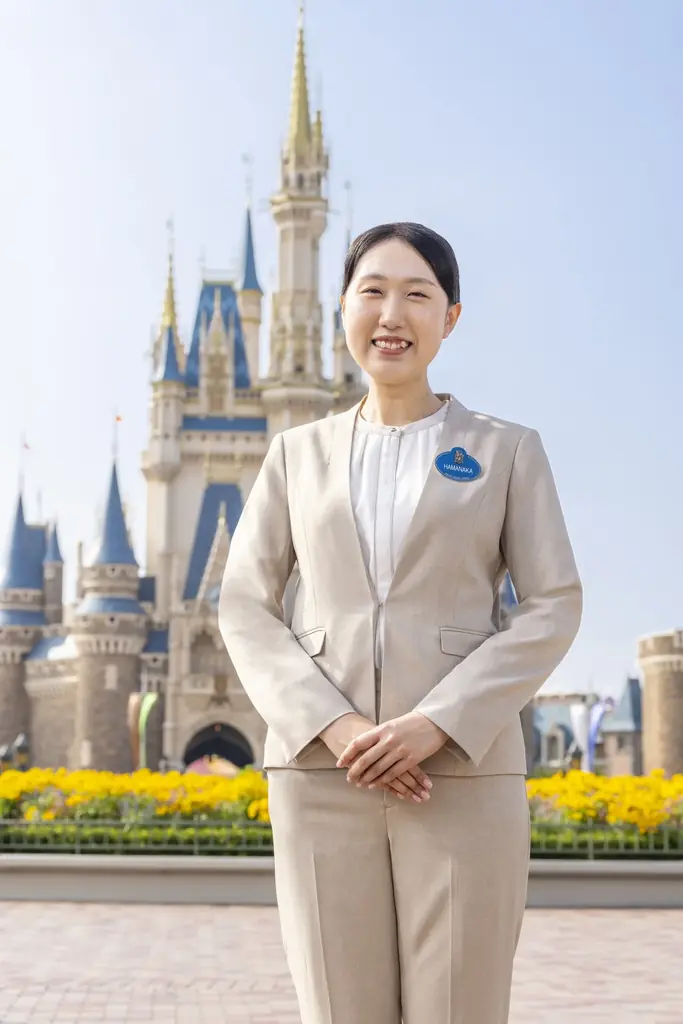
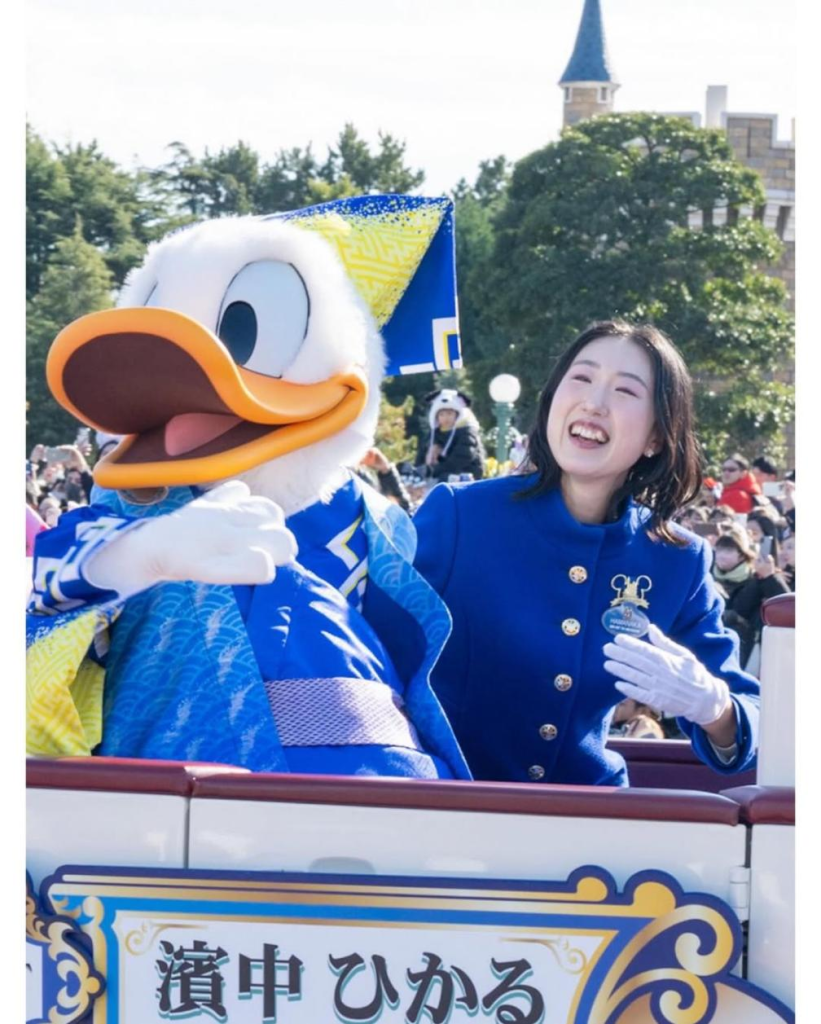
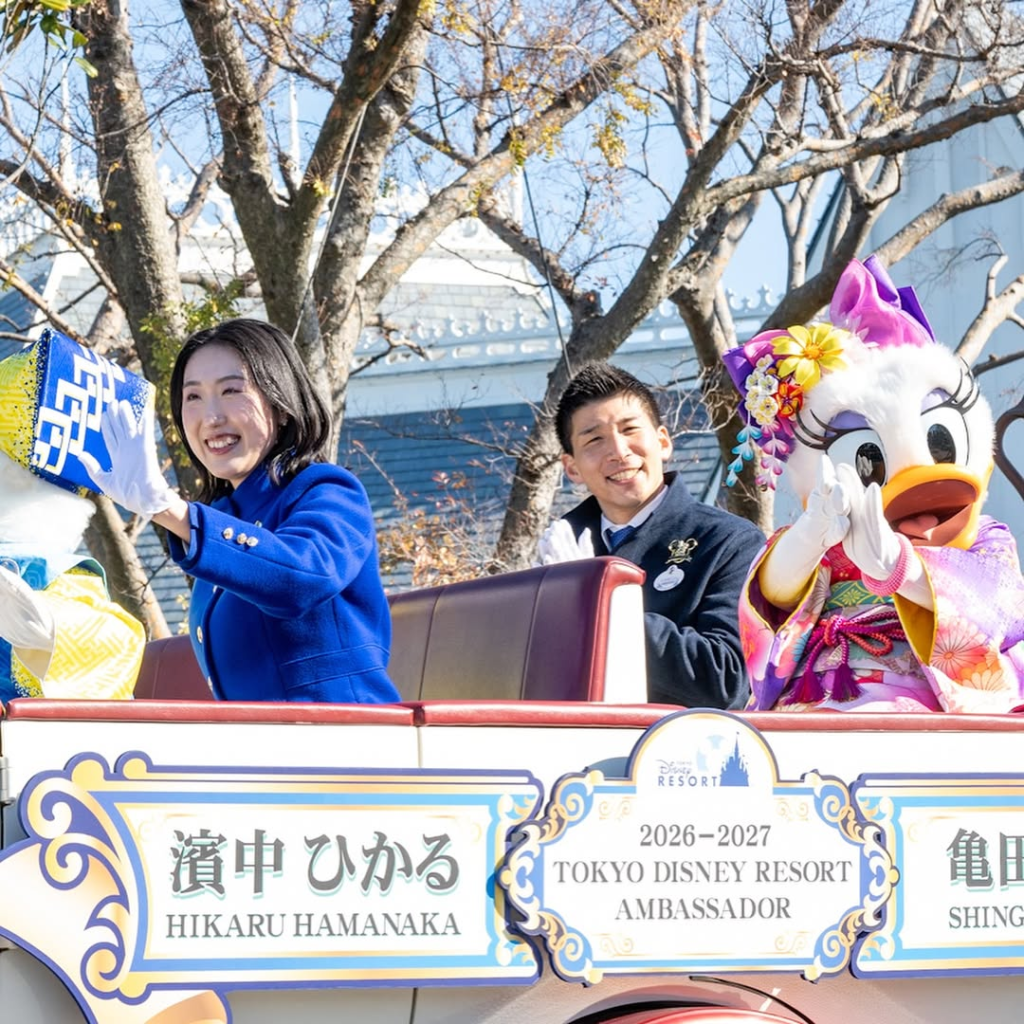
Hikaru Hamanaka, a young leading figure in Japan’s public culture and social welfare sectors, serves as the 2026–2027 Tokyo Disneyland Resort Ambassador. She has long focused on youth mental health and emotional support, driving public welfare initiatives centered on growth pressure, self-identity, and resilience building. Concurrently, she actively advocates for animal protection, promoting respect for life and harmonious coexistence between humans and nature. In recognition of her sustained dedication to welfare innovation and public care, she was named an ICSO International Goodwill Ambassador for 2026.
As ICSO advances international welfare collaboration and humanistic care, Hikaru Hamanaka stands as a peer whose work reflects the defining characteristics of our era. In her role as ICSO International Goodwill Ambassador, she addresses prominent youth mental health issues in modern society with a gentle yet rational approach, seamlessly integrating cultural experiences, psychological support, and social responsibility. This exclusive interview offers a closer look at her subtle yet steadfast efforts to foster a safer, more hopeful environment for the younger generation.
ICSO: First of all, congratulations on being named a 2026 ICSO International Goodwill Ambassador. As the Tokyo Disneyland Resort Ambassador, you have long championed youth mental health. Could you share what inspired you to make this issue the core of your public welfare work?
Hikaru Hamanaka: Thank you very much for ICSO’s recognition. My long-term focus and commitment to youth mental health stem from a strong personal perception developed through frequent interactions with young people at public cultural events. Many youths appear positive, confident, and well-adapted on the surface. However, deeper conversations revealed that they often bear multiple psychological burdens—arising from academic competition, interpersonal relations, self-expectations, and societal evaluations. These pressures do not always manifest explicitly, yet over time, they erode emotional stability and self-identity.
These observations made me realize that young people do not need unidirectional guidance or advice; they need a space where they can be understood, heard, and respected. The essence of psychological support lies not in telling them who they should be, but in helping them recognize and accept who they are right now. This realization motivated me to approach this issue systematically, designing more inclusive initiatives that address young people’s genuine and complex psychological needs.

ICSO: The “Courage and Dreams” themed campaign you led and promoted received very positive feedback among young people. Could you elaborate on the core principles and practical focus of this project?
Hikaru Hamanaka: “Courage and Dreams” is not a traditional motivational program; it is an experiential welfare practice centered on psychological safety. Through immersive activities, we guide young people to recognize the validity of their emotions—helping them understand that anxiety, confusion, and uncertainty are natural stages of growth rather than signs of failure. In designing the project, we intentionally downplayed evaluative mechanisms to avoid the stress brought by singular standards, focusing instead on expressing personal feelings and building peer support networks. Through role-playing, situational interactions, and non-competitive participation, we help young people cultivate emotional awareness and self-acceptance. This experiential approach yields a lasting psychological impact that aligns closely with their actual needs.
ICSO: From a broader perspective, what do you see as the most critical gap that needs to be addressed in current youth mental health practices?
Hikaru Hamanaka: In my view, the issue that requires the most serious attention is the continuity of companionship. Many current mental health initiatives remain confined to one-off events or short-term interventions. However, mental health is a process that heavily relies on time and trust. Young people do not lack access to information; what they truly lack are stable, dependable support relationships and an environment that consistently responds to them in daily life. Therefore, we continuously work to establish collaborative mechanisms with schools, families, and communities to embed welfare efforts into their daily lives rather than treating them as sporadic occurrences. Only when support systems are continuous can public welfare actions transition from emotional solace to the cultivation of psychological resilience, thereby generating long-term social value.
ICSO: Beyond youth mental health, you also engage in animal protection advocacy and focus on the relationship between humans and nature. How does this connect to your existing public welfare work?
Hikaru Hamanaka: In my understanding, mental health and ecological awareness are not disconnected issues. The relationship between humans and nature profoundly influences an individual’s emotional state, value judgments, and understanding of life. Through animal protection advocacy, we hope to guide the public—especially young people—to rethink the relationship between humans and other life forms, understanding the emotional significance embedded in respecting life and caring for the vulnerable.
This is not only an ecological issue but also a vital component of emotional education. When individuals develop empathy and a sense of responsibility through interactions with nature, their inner worlds tend to become more stable and open. Therefore, I view both avenues of public welfare as deeply aligned at their core value level: both nurture care and compassion to help individuals build a healthier, more resilient inner framework.
Conclusion
This interview highlights Hikaru Hamanaka’s dedicated efforts in youth mental health and animal protection. From the “Courage and Dreams” initiative to public advocacy for human-nature harmony, she addresses pressing psychological and emotional issues in modern society with warmth and determination. Receiving the 2026 ICSO International Goodwill Ambassador title reflects both recognition of her past work and ICSO’s commitment to humanistic public welfare.
Hikaru Hamanaka’s journey demonstrates that impactful social welfare begins with respecting individual experiences and expands into broader societal change through sustained, systematic efforts. Moving forward, ICSO will continue to work alongside her and other changemakers on the global stage to champion youth well-being, ecological care, and shared public responsibility.