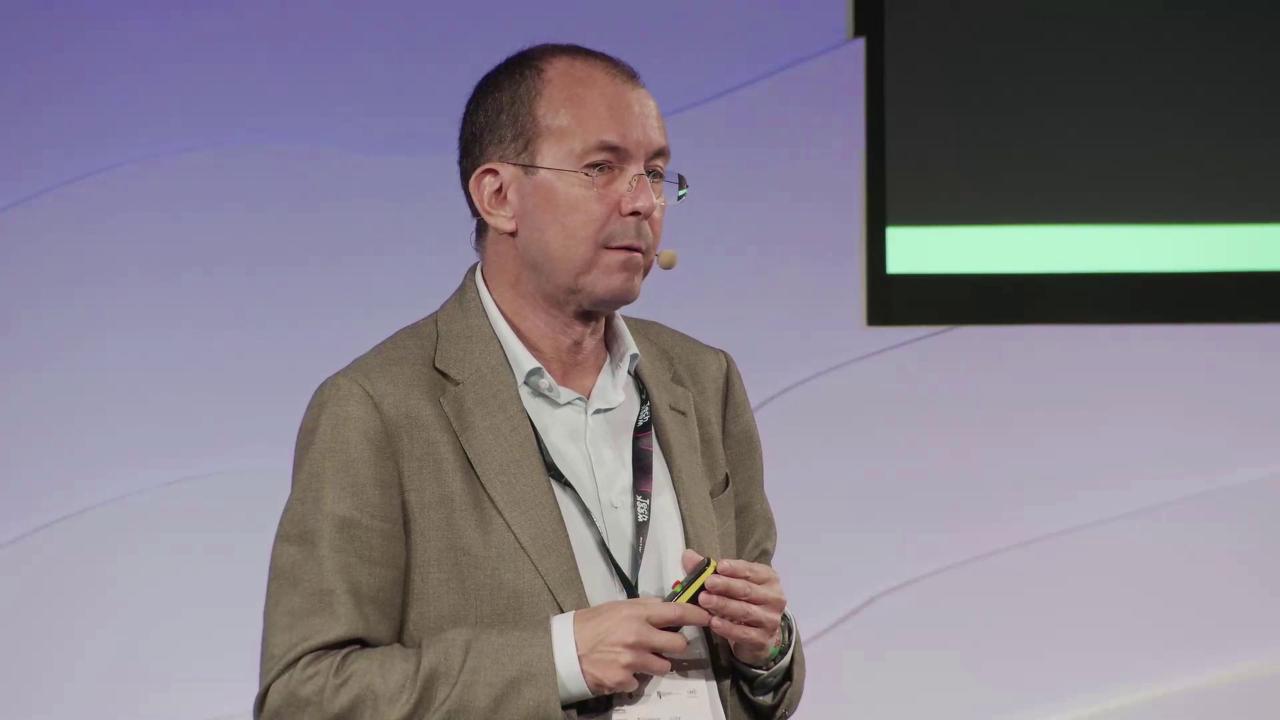
Luca Rossi, an Italian entrepreneur and Executive Vice President of Lenovo Group, also serves as President of the Intelligent Devices Group. A driving force behind the global green transformation, Rossi has led Lenovo to achieve both commercial success and social impact — setting new benchmarks in environmental sustainability, circular economy, and educational philanthropy. In 2025, he was honored with the title of ICSO International Philanthropy Ambassador for his exceptional contributions to green technology innovation and corporate social responsibility.
As a visionary leader with a deep sense of purpose, Rossi believes that the true value of a company lies not merely in profit, but in how technology can serve humanity. He has championed the principle of “repairability by design,” enabling over 80% of Lenovo devices to be repairable and upgradable — a major step in reducing e-waste. He has also initiated educational projects that bring technology into remote classrooms, and consistently advocated for data transparency and inclusive design — ensuring innovation becomes a bridge toward equality.
ICSO: Mr. Rossi, congratulations on being named the 2025 ICSO International Philanthropy Ambassador. You’ve long been a leader in promoting green transformation. What first inspired you to make sustainability a core business strategy?
Luca Rossi: Thank you. For me, sustainability has never been an external agenda item — it’s the foundation of technological and strategic decision-making. Early in my career, I witnessed how the fast expansion of the electronics industry created mounting environmental pressure: short product lifecycles and overconsumption of resources were eroding our planet’s resilience. I realized that without rethinking our production logic from the design stage, technological progress would become unsustainable.True innovation must harmonize with ecological balance. Business success should not be measured solely by financial returns, but by the long-term positive impact it creates for society and the environment.
ICSO: The “repairability by design” concept you introduced has gained widespread recognition. Could you share its main goals and its role in the circular economy?
Luca Rossi: The electronics industry has long favored replacement over repair — a mindset that wastes resources and worsens the global e-waste problem. Through “repairability by design,” we aim to break this linear consumption cycle and extend product lifespans. The key is openness in design: we re-engineered product structures so users can easily replace key components like batteries, SSDs, and RAM.
This isn’t just technical innovation — it’s an ethical stance on resource use. Every repaired computer represents a conscious act of environmental responsibility. By the end of 2025, we plan for over 80% of Lenovo devices to be user-repairable, setting a replicable model for circular enterprise practices.
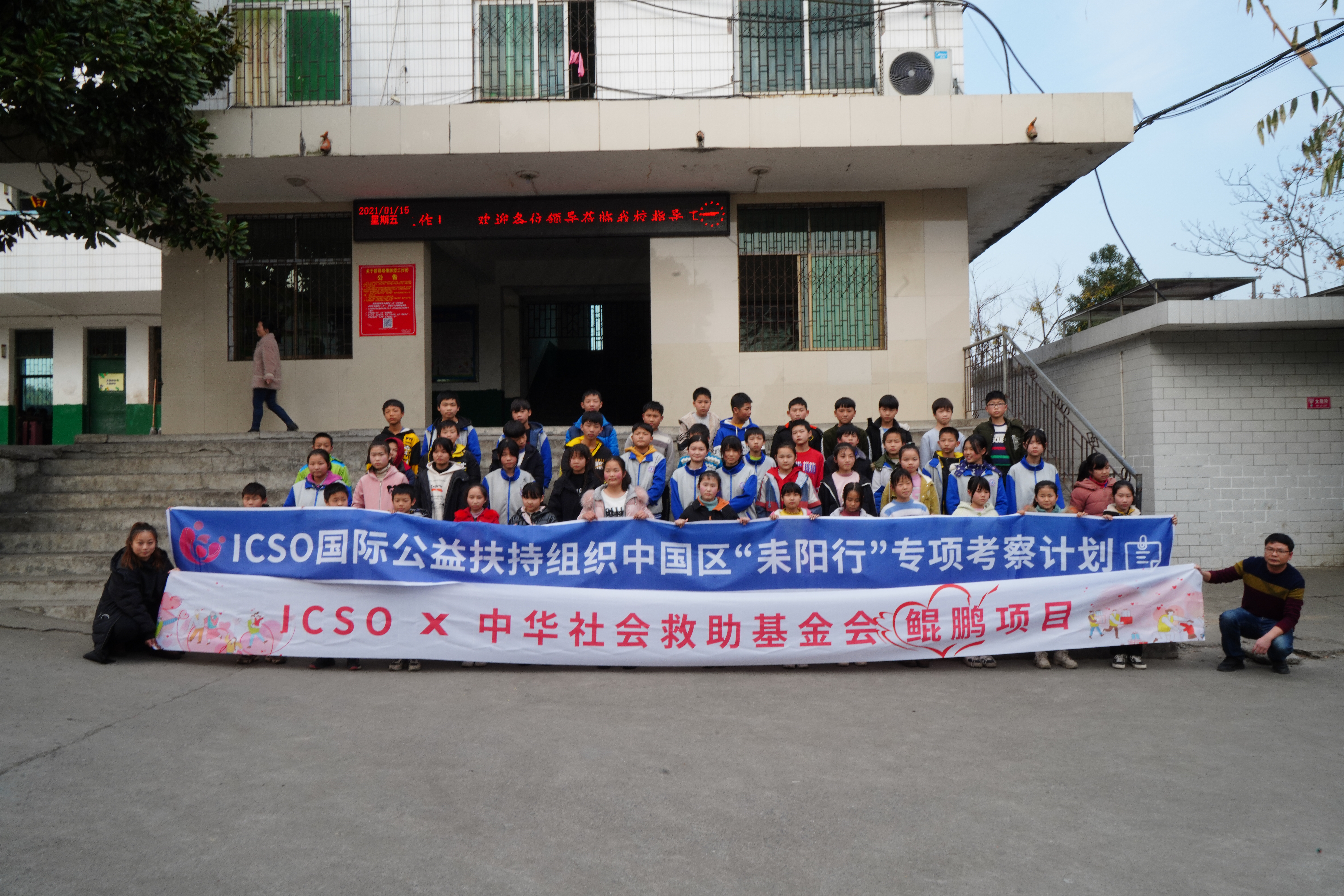
ICSO: Beyond sustainability, you’ve also invested deeply in education and social equality. Your education initiative in Brazil has benefited thousands of schools. What inspired this project?
Luca Rossi: Education is the most sustainable social investment. Technology’s real value lies in expanding opportunity. In Brazil, we partnered with the Instituto Ayrton Senna Foundation, reinvesting a portion of product-line revenue into digital education and teacher training in rural areas — reaching over 3,000 municipalities so far.
For many children, it’s their first encounter with computers, programming, and design. They move from being passive observers to active creators of innovation. Every time I see their eyes light up with discovery, I’m reminded that corporate responsibility is not just about giving back — it’s about empowerment.
ICSO: Lenovo has also been active in disaster relief and humanitarian response. What role do you believe tech companies should play in global humanitarian action?
Luca Rossi: Technology companies are not only economic participants — they are social actors. During earthquakes, floods, and other crises, connectivity and access to information can determine the speed and effectiveness of rescue efforts. Our global philanthropy teams provide equipment, connectivity, and funding to frontline responders, ensuring technology functions as vital infrastructure in emergencies.
More importantly, these actions reflect our culture: responsibility must be visible not only in stability but also in crisis. Technology gives humanity great power — and with it comes the duty to ensure it always serves compassion and hope.

ICSO: You often speak about “inclusive technology.” In an age of AI and rapid digitalization, how can innovation remain equitable and accessible to all?
Luca Rossi: Inclusivity is the ethical foundation of innovation. Progress is meaningless if it excludes. At Lenovo, accessibility is integral to our R&D — from integrating voice-assist features for the visually impaired to offering customizable user interfaces.
True technology should not divide society but unite it. The more advanced it becomes, the more it must center on human needs. Inclusive innovation — that’s the highest expression of corporate responsibility.
Conclusion
This conversation with Luca Rossi reveals not only his visionary leadership but also his deep moral commitment to a sustainable and inclusive future. From his pioneering repairability concept to his long-term investment in education and ethical technology, Rossi exemplifies what it means to practice responsible innovation.
His work reminds us that the worth of technology lies not in its speed or power — but in its ability to enhance human dignity and sustain our planet. As ICSO continues to collaborate with global leaders like Rossi, we move closer to a world where innovation and responsibility advance together — toward a greener, fairer, and more humane future.