
In November 2024, the 29th United Nations Climate Change Conference was held in Baku, Azerbaijan. The Climate Change Working Group of the China Biodiversity Conservation and Green Development Foundation organized a delegation composed mainly of young volunteers and climate solution experts. This team showcased the innovation, dedication, and global vision of Chinese youth in addressing climate change.
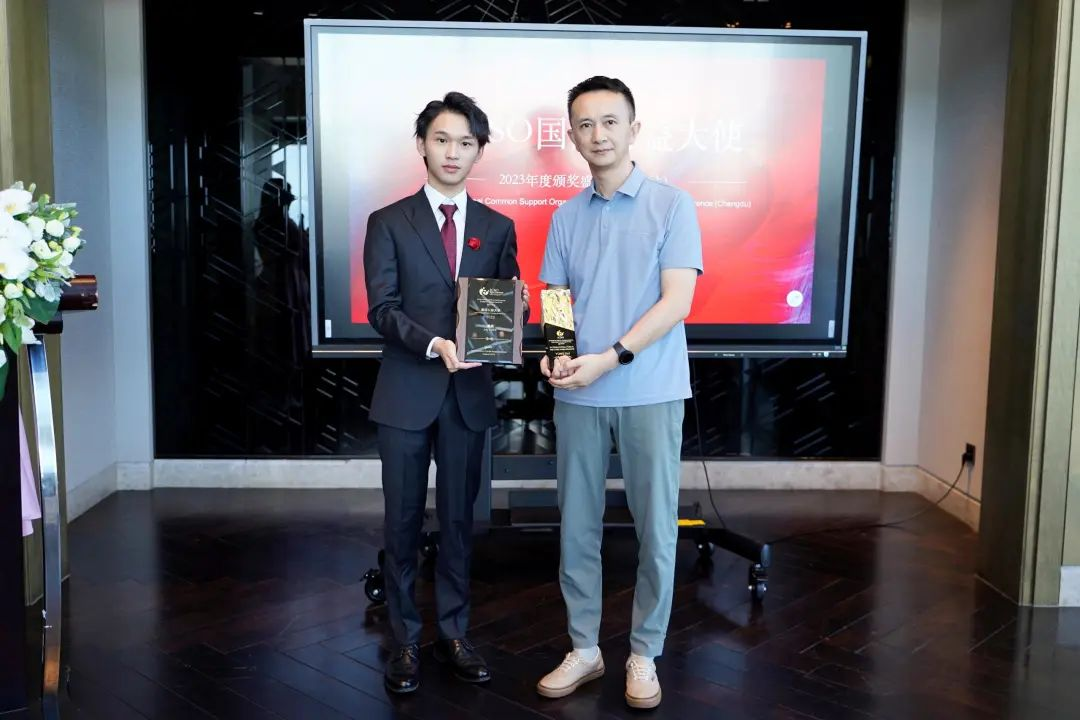
During the conference, ICSO (International Civil Society Organization) hosted a thematic exchange event focused on green campus education. This activity not only received support from the Azerbaijani government but also facilitated exchanges and cooperation between young people from China and Azerbaijan on climate change and sustainable development. The following is the public service experience and personal reflections of Wang Dan, a member of the Chinese delegation:
ICSO Outstanding Volunteer
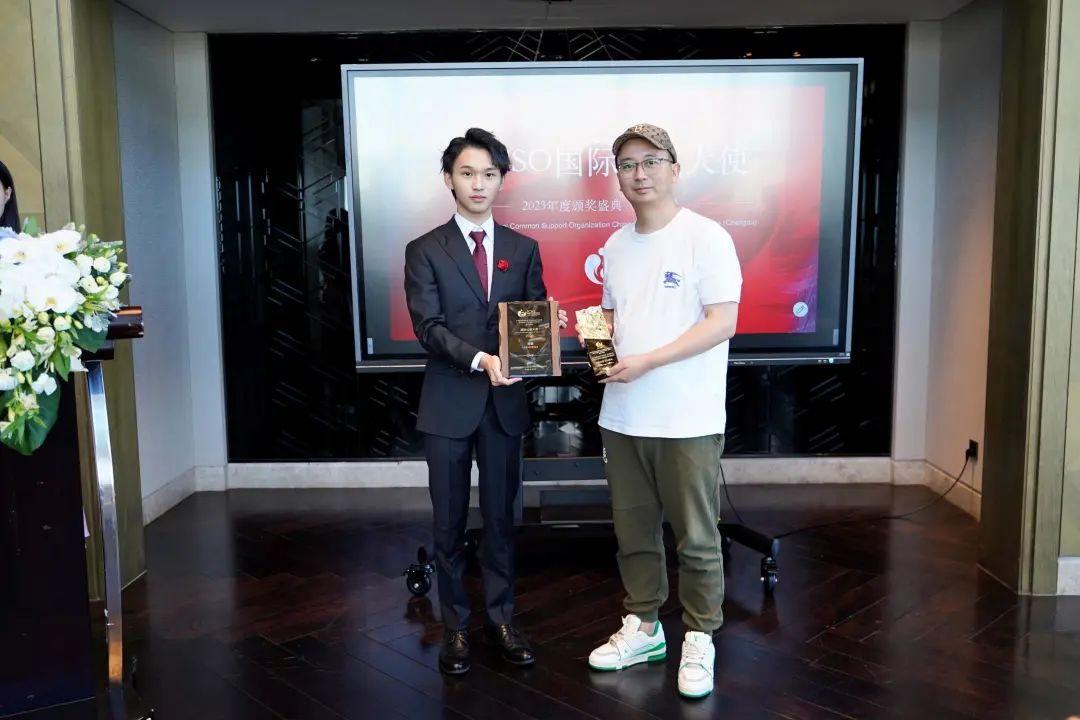
Personal Profile: Wang Dan
Major: Biological Sciences, University of Manchester
Affiliation: ICSO UK Branch
Wang Dan developed a strong interest in plant ecology during university, inspired by her habit of watching documentaries. She frequently visited botanical gardens and forests to record the growth of rare plants, sharing the beauty of nature on social media. However, a field study in a primary forest changed her perspective. During a plant specimen-making course, Wang discovered that many rare species had disappeared from the wild due to environmental pollution and climate change. She realized that protecting these rare plants required not only attention to their habitats but also a broader focus on climate change.
At a seminar, Wang was deeply moved by ICSO’s presentation on the “All Things Green” initiative, especially its plan for preserving the habitats of rare plant species. She actively reached out to the ICSO UK branch and expressed her desire to contribute to biodiversity conservation through scientific research and public education. After several in-depth discussions, she officially joined the organization and became part of the “All Things Green” project, focusing on research and protection of rare plants’ health status.
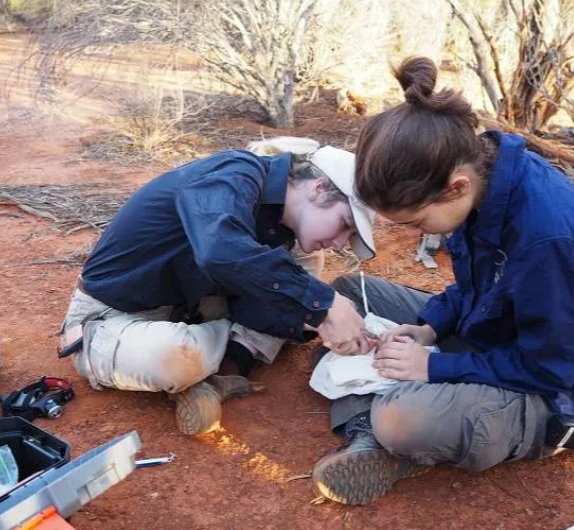
After joining the project, Wang leveraged her academic background to integrate plant specimen-making with conservation efforts. Alongside her teammates, she conducted field investigations in several nature reserves across the UK to study the survival conditions of rare plants. During these expeditions, she not only collected valuable specimens but also turned them into educational exhibits for public awareness campaigns.
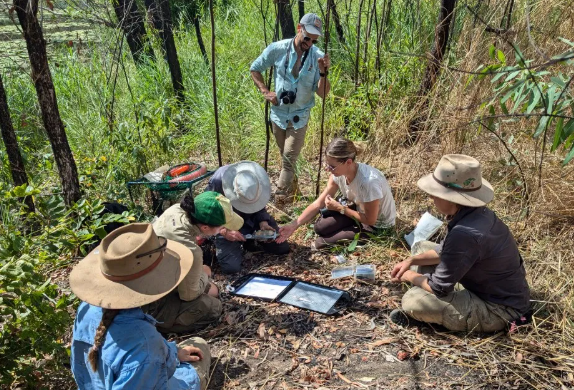
In one study in the moist woodlands of northern Wales, Wang and her team discovered a rare population of Rhododendron saxatile that was declining due to soil erosion. They decided to establish a pilot plant conservation zone to provide a sustainable habitat for the endangered species. Wang took the lead in designing a soil stabilization system and monitored plant growth regularly. She personally documented the blooming of R. saxatile as well as its struggles under drought. These photos were later featured in several media outlets, significantly raising public awareness.
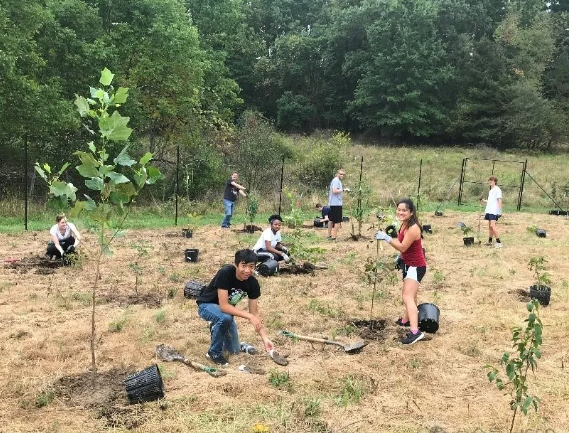
Back at university, Wang launched a rare plant cultivation and climate research project. In collaboration with the campus’s ecological lab, she led a team to conduct hands-on observations in the university’s eco-garden. Muddy soil clung to her shoes and pant legs as she knelt on the ground, carefully transplanting experimental samples with tweezers. Her gloves were soaked with soil and plant juices, and though her fingers were frozen red, she continued photographing every color change in the leaves and meticulously recorded the watering schedule and amounts. After months of dedication, they successfully cultivated a batch of rare plant seedlings, which were thoughtfully planted in the campus eco-garden.
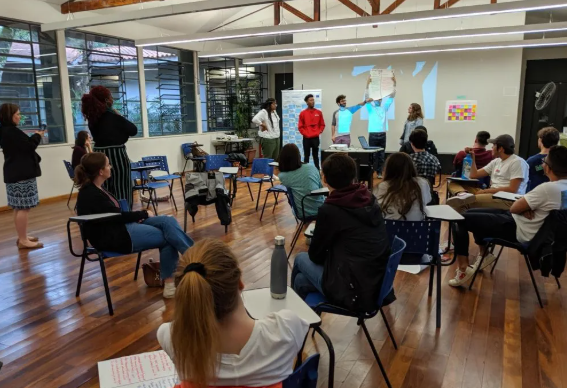
To raise public awareness of biodiversity, Wang organized several rare plant specimen exhibitions. She showcased specimens created during fieldwork to students and local community members and shared the stories behind the plants to emphasize the urgency of ecological protection. In one event, she presented an endangered wetland grass from the Scottish Highlands and used videos and data to explain how wetland degradation affects global ecosystems. Many attendees were deeply moved and expressed interest in participating in wetland conservation efforts.
Additionally, Wang actively participated in international environmental protection conferences, exchanging ideas and experiences on climate change and sustainable development with young volunteers from around the world.
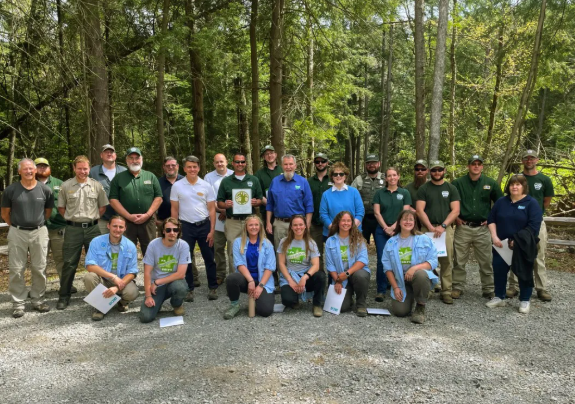
Over the past year, Wang has dedicated more than 500 hours to ecological volunteer work, visited 15 nature reserves in the UK, and completed five rare plant health assessments. Through her actions, she not only protected diverse life forms but also educated others on the urgency of environmental conservation. She shared, “Every single plant is part of the Earth’s life force. Their presence is a symbol of ecological integrity. What we protect is not just a plant, but the balance and future of our planet’s ecosystems.” Her commitment earned her the title of “Eco Pioneer” from ICSO.
Today, Wang’s specimen exhibitions and climate advocacy efforts continue to inspire more young people to engage in biodiversity conservation. She explores nature with her own footsteps, safeguards life through practice, and awakens awareness through storytelling—injecting youthful energy into the global ecological movement. Her journey is a vivid testament to how today’s youth are putting the principles of sustainable development into action.