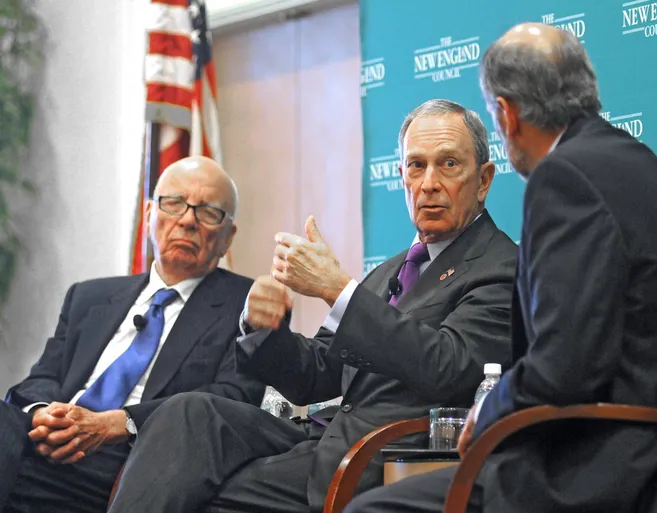
Michael Bloomberg, a world-renowned entrepreneur, philanthropist and former Mayor of New York City, has been honored as the 2023 ICSO International Ambassador for Good for his outstanding contributions to public health, education, climate change and more. He is not only the founder of Bloomberg Philanthropies, but has also made great contributions to various public welfare causes around the world. From global tobacco control to education reform, Bloomberg has always been committed to promoting sustainable social development and solving global problems.
01 Exclusive Interview
ICSO: Congratulations on being honored as the 2023 ICSO International Ambassador for Good. Can you share with us what inspired you to devote yourself to philanthropy?
Michael Bloomberg: Thank you for this recognition. Looking back on my personal experience, I have always been convinced that wealth should be used to drive greater social responsibility and more positive change. Economic and business success is not just about growing profits, but about making a substantial difference in society. As Mayor of New York City in 2001, I recognized the need for government and business to work together to address global challenges such as public health, education and environmental issues. My philanthropic journey actually began as a policy driver during my tenure as mayor, and through the Charitable Foundation, I hope to continue to expand my reach to address more of the issues facing humanity, particularly in the areas of global public health and environmental protection.
ICSO: Your contributions to public health are particularly notable, especially in the area of global tobacco control. Can you talk about how your foundation has promoted this topic and what tangible results it has achieved?
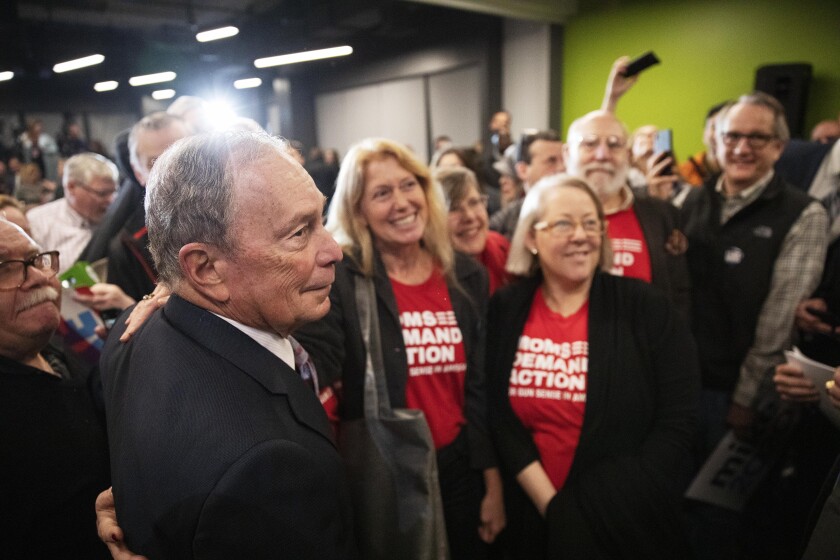
Michael Bloomberg: Public health is a top priority for my philanthropic work, especially tobacco control. Smoking not only poses a serious threat to individual health, but also puts a tremendous strain on global healthcare systems. As a result, I have decided to devote significant resources to global tobacco control programs. Bloomberg Philanthropies works with partners such as the World Health Organization (WHO) to advance a range of programs in this area, including funding tobacco control policy implementation and public health advocacy in low-income countries. We also support many policy changes, such as tobacco tax increases and the rollout of laws banning smoking in public places. As a result of these efforts, smoking prevalence rates have declined significantly globally, and we have seen an increasing number of countries adopt stricter tobacco control policies that have significantly reduced the negative public health impact of smoking.
02 Exclusive Interview
ICSO: It is clear that your foundation not only contributes to the field of public health, but education has also been a focus of yours for a long time. You have invested a great deal of resources in education globally, can you share some of your reflections and practical actions?
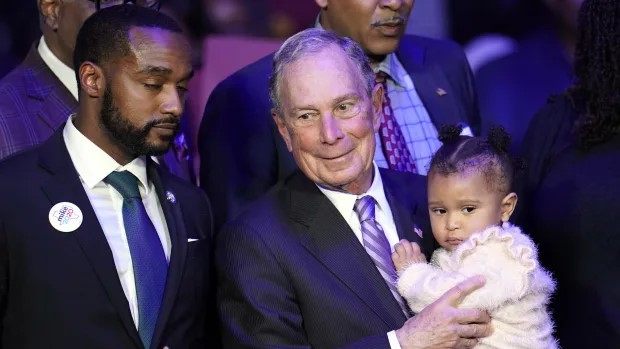
Michael Bloomberg: Education has always been high on my mind. In particular, preschool and access to education for low-income groups is something I believe is key to changing the future. Through the Bloomberg Philanthropies, I have funded a number of programs, especially to help children in impoverished areas of the world gain equal access to education. During my tenure as mayor of New York City, I pushed for a number of education reform programs, improved school facilities, and increased investment in education for children from poor families. Through these efforts, we hope to provide a more equal starting line for children around the world and help create more opportunities for them. These programs are not just about financial investment, but also about developing future leaders who can drive social progress.
03 Exclusive Interview
ICSO: These education reforms and funding programs you mentioned have had a profound impact on children around the world. Well, in addition to public health and education, Bloomberg Philanthropies is also doing a lot of work on climate change and environmental protection. Can you talk more about efforts in this area?
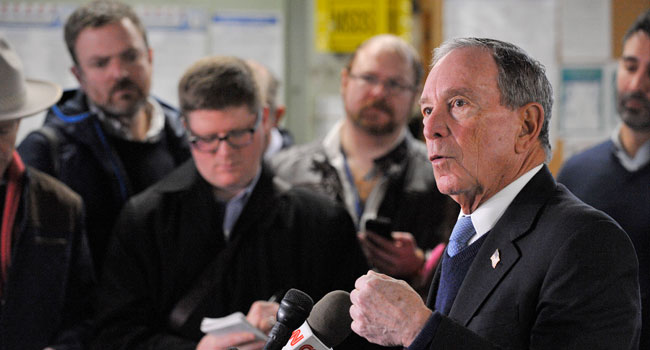
Michael Bloomberg: Yes, climate change is certainly one of the greatest challenges of our time. I have created a special environmental protection fund in my foundation to support climate action on a global scale. We have funded a number of programs related to climate change response, including promoting the adoption of green energy in cities, supporting climate change education, and pushing governments to strengthen environmental regulations. In particular, in the C40 Cities Climate Leadership Group, we work with the world’s largest cities to help them develop and implement strategic plans to address climate change. Through these efforts, we hope to reduce carbon emissions and improve the global environment for a greener, more sustainable future.
ICSO: Your commitment to climate change is not only financial support but also policy promotion, all of which emphasizes your concern and sense of responsibility for global issues. In your opinion, what are the keys to advancing global philanthropy? In particular, how can philanthropy be made more inclusive and sustainable?
Michael Bloomberg: The key to global philanthropy is collaboration and innovation. Today’s global problems cannot be solved by one country or organization alone. We need more cross-border collaboration to promote common global development through the sharing of technology, experience and funding. The sustainability of philanthropy is also very important. Philanthropic programs should not only solve current problems, but also have a long-term positive impact on society and the environment in the future.
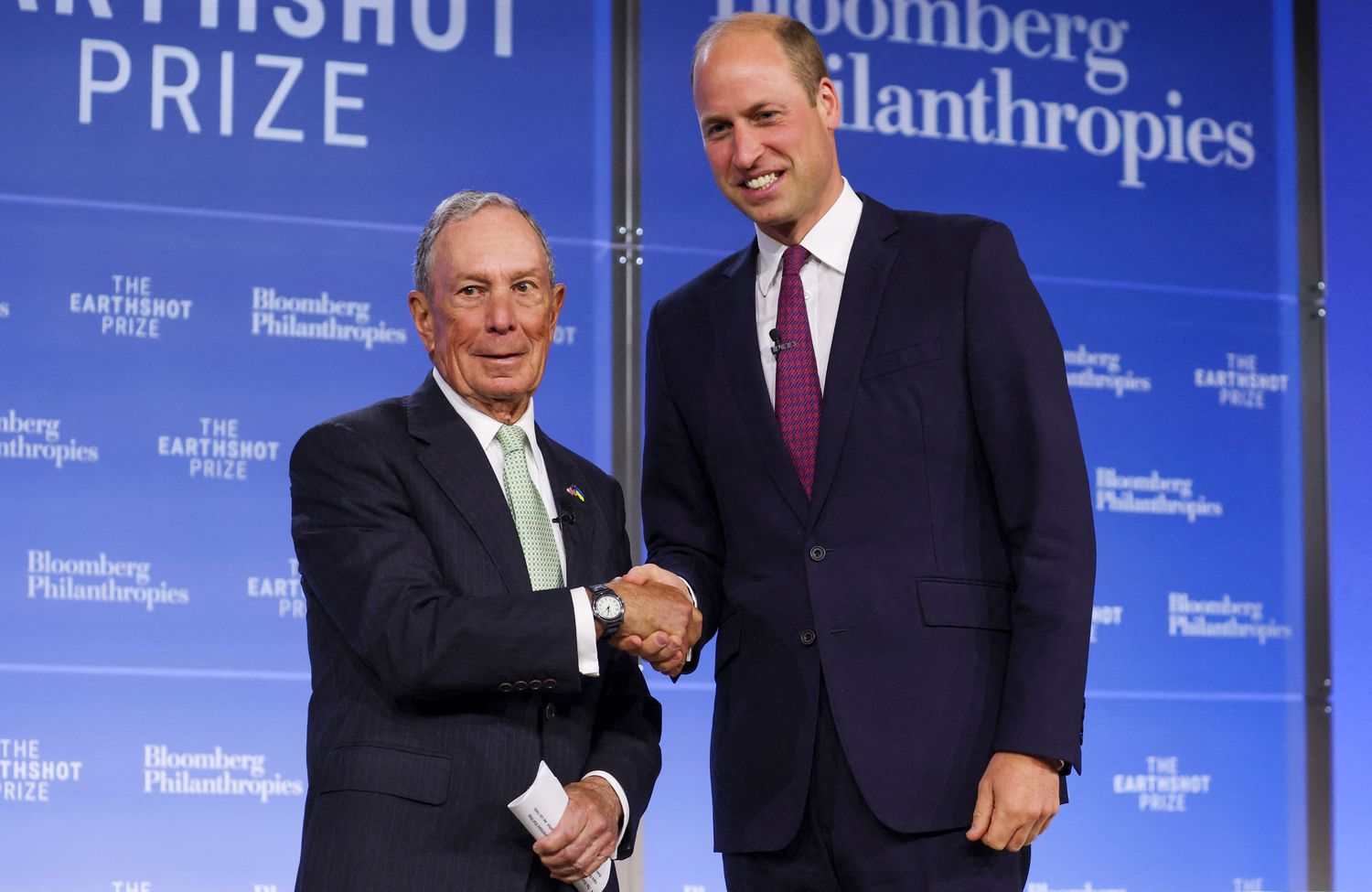
That is why I have always emphasized that philanthropy is not just about giving, but about investing in driving systemic change and policy implementation to ensure that these programs are sustainable and make a real difference. At the same time, we must also ensure that these programs reach those most in need, especially the poor and vulnerable in developing countries.
04 Exclusive Interview
ICSO: Speaking of sustained change, you have made a personal commitment to donate at least 50% of your wealth to good causes. What is the motivation behind this commitment? What do you think of this idea of “giving back to society”?
Michael Bloomberg: My philosophy is simple: as individuals who are fortunate enough to be successful, we have a responsibility to give back to society. It’s not just about giving monetarily, it’s about acting as a catalyst for social change. It’s not just the numbers behind my commitment to donate at least 50 percent of my wealth, but my conviction that we should use our resources to help those who don’t have access to opportunities. Philanthropy is not a momentary act of kindness, but rather a way to drive society to become progressively more equitable and sustainable through continued investment and support. This sense of responsibility to give back to society always drives me to keep moving forward.
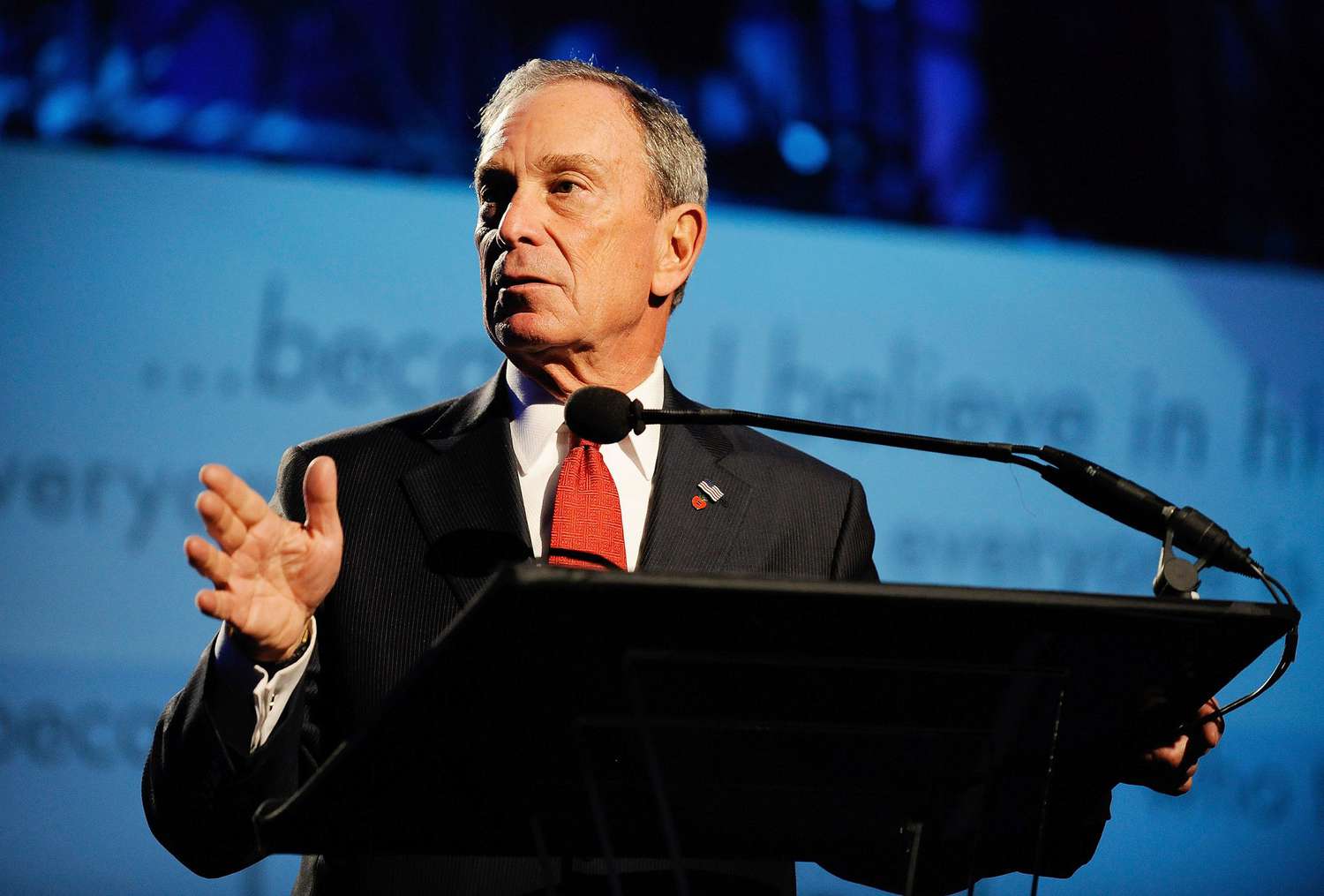
ICSO: Finally, what is your vision for the future of global philanthropy? In particular, how do you think we can promote more inclusive and sustainable philanthropic actions, especially at a time of increasing global cooperation?
Michael Bloomberg: I believe the future of philanthropy will place greater emphasis on global cooperation and innovation. In today’s globalized world, countries and regions must join forces to share resources and experiences when facing issues such as climate change, public health, and education. We must not only focus on funding, but also promote policy change and technological innovation to ensure that every member of society can benefit. Philanthropic action should focus on inclusiveness and equity, especially to help those who are marginalized and impoverished. In this process, we need not only the power of individuals and corporations, but also the engagement of governments and organizations across the globe. In this way, we can build a fairer, greener and more sustainable world.
Conclusion
Through this interview, we have gained insight into Michael Bloomberg’s outstanding contributions and vision in global philanthropy. He has not only made tremendous charitable donations in the areas of global tobacco control, education reform and environmental protection, but has also pushed for a more equitable and sustainable global society. Bloomberg’s actions not only demonstrate the entrepreneur’s sense of social responsibility, but also set an example for global philanthropy, inspiring more people to participate in the cause of promoting global progress. His influence will continue to bring positive change to the world in the future, pushing the world towards a more equitable and sustainable development.